

 English
 русский
 Español
 عربى

A tumbler machine is easy to overlook on a busy line, but it quietly shapes yield, texture, and consistency. In meat processing, the term usually means a vacuum tumbler: a stainless drum that turns meat, brine, and seasoning under vacuum. The gentle action helps marinade penetrate evenly and draws out surface protein, which improves bind and water retention. You may also see the phrase used for metal finishing equipment; this guide focuses on the food-grade machines used in meat plants. If you are new to the process, this explanation of what a vacuum meat tumbling machine is and how it works covers the basics.
Content
What a Tumbler Machine Does in Meat Processing
A vacuum tumbler machine does three jobs at once: it distributes brine, massages the meat surface, and keeps oxygen away from the load. The drum turns slowly, and internal baffles lift and fold the product rather than beating it. Under vacuum, air pockets inside the meat and in the brine collapse, so the marinade can move into the tissue more evenly. The result is not simply more flavor. Processors often see better slice cohesion, less purge in the package, and a more predictable cook yield.
- Distribution: brine and seasonings reach the whole batch without long holding times.
- Tenderness: controlled mechanical action softens whole-muscle cuts without turning them into paste.
- Consistency: recipe-based controls repeat the same speed, vacuum, and rest cycle.
It is not a mixer. A tumbler machine works best when the drum is loaded to the right level, usually around 60 to 70 percent of capacity. Too full, and the meat cannot move; too empty, and the product takes a longer, harsher ride. Cycle time, drum speed, vacuum level, and temperature all interact. That is why a machine that performs well on one product may need different settings for another.
Where It Fits in the Process
Vacuum tumbling sits between trimming or deboning and the next forming, stuffing, smoking, or cooking step. Whole-muscle products such as ham and bacon benefit from a slower, gentler cycle. Sausage and emulsified products may use shorter cycles to blend brine and support bind. Jerky and snack products often need a different balance of vacuum, time, and load size so the meat picks up seasoning without becoming overworked. The practical starting point is always the product, not the machine setting.
Types of Tumbler Machines and Where They Fit
Most meat plants choose between horizontal, hydraulic, and refrigerated vacuum tumblers. The right one depends on batch size, product density, and how much temperature control your process needs.
| Type | How it works | Best fit | What to check |
|---|---|---|---|
| Horizontal vacuum tumbler | Drum rotates horizontally for gentle, uniform tumbling | General marination, deli meats, sausages, whole-muscle products | Load size, drum speed, and discharge height |
| Hydraulic vacuum tumbler | Hydraulic drive provides high torque under heavy loads | Larger batches and dense products | Hydraulic maintenance and vacuum pump protection |
| Refrigerated vacuum tumbler | Integrated cooling controls product temperature during tumbling | Temperature-sensitive products and longer cycles | Cooling capacity against real room conditions and cycle length |
A horizontal vacuum tumbler is the common starting point for many processors. It handles deli meats, sausages, and whole-muscle products well, and it is relatively straightforward to load and discharge.
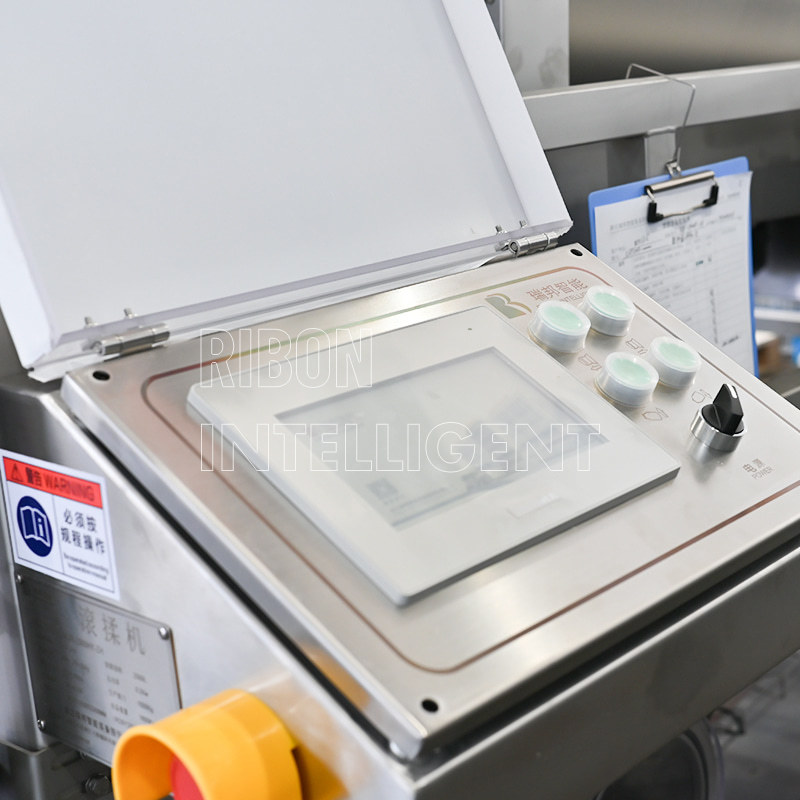 Horizontal Vacuum Tumbler for Meat MarinatingA practical starting tumbler for deli meats, sausages and whole-muscle products, with PLC control and models from 500 L to 3500 L.View Product →
Choosing Capacity, Vacuum, and Control Features
Capacity is often quoted in liters or kilograms, but the usable batch is what matters. Ask how the manufacturer rates the drum: by gross volume, by meat load, or by finished batch weight. Then match that figure to your actual production rhythm. A machine that is slightly too large can run below its efficient load; one that is too small can force double shifts.
Look for variable drum speed, recipe storage, a clear vacuum gauge, and a discharge height that suits your bins or conveyors. Easy access to the drum, seals, and vacuum pump saves time every day. If you process dense products or need short, high-intensity cycles, a hydraulic vacuum tumbler may be the better fit because its drive holds torque under load.
 Hydraulic Vacuum Tumbler for Dense ProductsSuited to dense products and high-intensity cycles, with a tiltable hydraulic frame, PLC control, and drum capacities from 1700 L to 3500 L.View Product →
Temperature and Cooling in the Drum
Temperature is the quiet variable in tumbling. Friction and long cycles can warm the product, and warm meat binds less well. A refrigerated vacuum tumbler adds cooling capacity to the drum, which helps with temperature-sensitive products, longer marination cycles, and plants in warm climates. The key question is not whether the unit has cooling, but whether it can hold your target temperature through the longest cycle you plan to run.
For many products, chilled brine and a controlled room are enough. For others, an integrated refrigerated drum reduces risk. Check the cooling capacity against your warmest production conditions, not the average day.
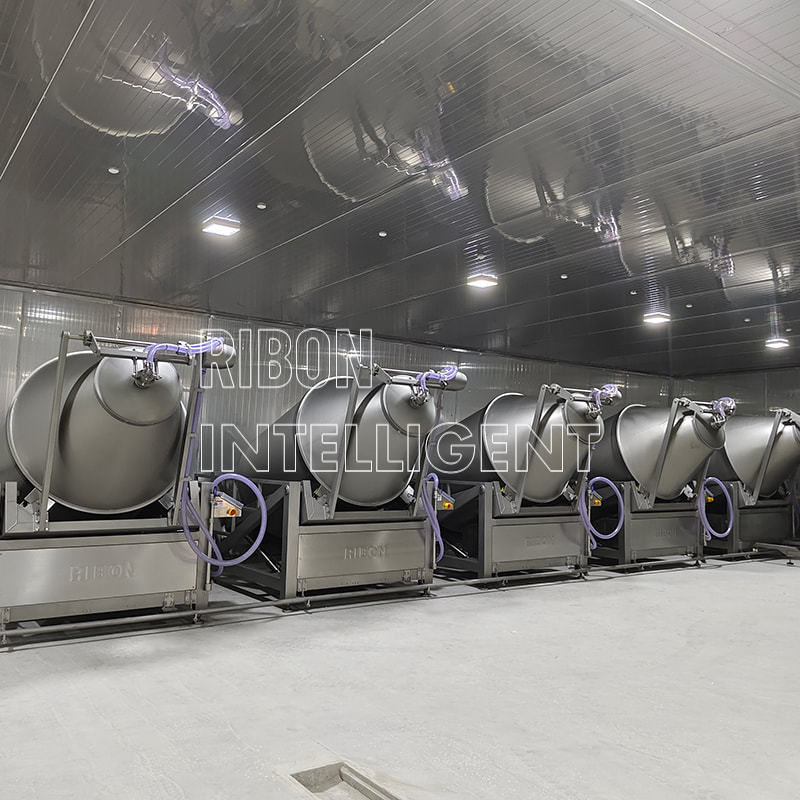 Refrigerated Vacuum Tumbler for Temperature-Sensitive MarinationAdds integrated drum cooling for longer cycles and warm climates, with PLC control, tiltable frame, and capacities from 800 L to 3500 L.View Product →
Maintenance and Hygiene
A tumbler machine is a food-contact vessel, so cleaning belongs in the purchase decision. Look for smooth welds, rounded corners, and drain paths that let water leave the drum. The vacuum pump, seals, and control cabinet need protection from washdown. A daily rinse, a scheduled deep clean, and a quick inspection of the drum and baffles prevent most problems.
Vacuum performance is a useful early warning. If the machine takes longer to pull down or the marinade pickup changes, check the door seal, pump, and lines before adjusting the recipe. Our guide to vacuum tumbler maintenance requirements goes into more detail.
Integrating with the Line
A tumbler machine rarely works alone. Upstream, it depends on consistent cutting and deboning; downstream, it feeds forming, stuffing, smoking, cooking, or chilling. Plan the load and discharge heights, floor space, and buffer capacity together. If the tumbler is the bottleneck, the smokehouse will wait. If it is oversized, product may sit too long before the next step.
The best choice is usually the machine that matches your real batch size, product mix, and cleaning routine, not the largest drum on the floor. Start with a clear process test: load a representative product, run your target cycle, and check yield, color, bind, and temperature. That is the practical way to judge whether a tumbler machine will earn its place in your plant.