

 English
 русский
 Español
 عربى
عربى
Content
- 1 What Is a Vacuum Meat Tumbling Machine?
- 2 How Does a Vacuum Meat Tumbler Work?
- 3 Key Benefits of Using a Vacuum Meat Tumbling Machine
- 4 Types of Vacuum Meat Tumblers by Capacity and Design
- 5 Important Parameters to Look for When Buying a Vacuum Meat Tumbling Machine
- 6 Common Meat Products Made with Vacuum Tumbling
- 7 Tips for Getting the Best Results from Your Vacuum Meat Tumbler
- 8 Vacuum Meat Tumbling vs. Other Marinating Methods
- 9 Is a Vacuum Meat Tumbling Machine Worth the Investment?
What Is a Vacuum Meat Tumbling Machine?
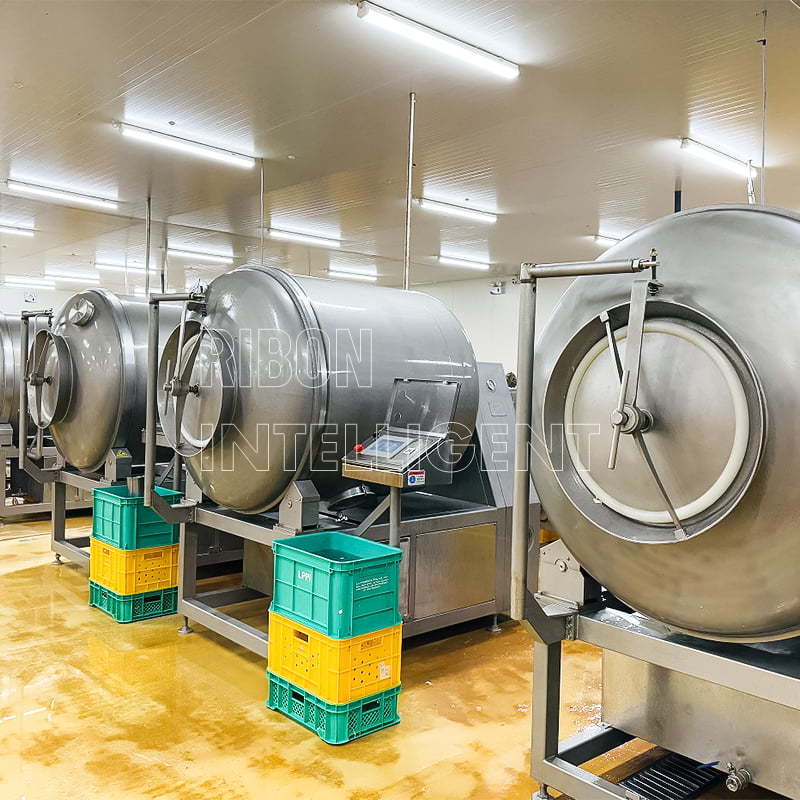
A vacuum meat tumbling machine is a piece of food processing equipment designed to marinate, tenderize, and improve the texture of meat products under a controlled vacuum environment. The machine consists of a rotating drum or barrel — typically made from food-grade stainless steel — that tumbles meat cuts or chunks while maintaining negative pressure inside the chamber. This combination of mechanical action and vacuum pressure dramatically accelerates the absorption of marinades, brines, and seasonings deep into the muscle tissue, far beyond what conventional soaking or hand-massaging can achieve.
Vacuum meat tumblers are widely used across the meat processing industry, from large-scale commercial slaughterhouses and deli manufacturers to mid-sized food production companies and specialty butcher shops. Products like deli hams, smoked chicken breasts, bacon, jerky, kebab meats, and restructured meat products all benefit enormously from vacuum tumbling before cooking or packaging.
How Does a Vacuum Meat Tumbler Work?
The working principle of a vacuum meat tumbling machine revolves around two simultaneous forces: mechanical agitation and vacuum-assisted absorption. Here's a step-by-step breakdown of the process:
- Loading: Raw meat cuts and the marinade or brine solution are loaded into the tumbler drum. The ratio of meat to liquid is measured and controlled according to the recipe.
- Vacuum Creation: The drum is sealed and a vacuum pump removes air from the chamber, typically achieving a vacuum level between -0.08 MPa and -0.1 MPa. This negative pressure opens up the muscle fibers and cellular structure of the meat.
- Tumbling Cycle: The drum rotates at a controlled speed (usually 6–12 RPM), causing the meat to tumble, fall, and massage against the internal paddles or baffles. This mechanical action physically works the marinade into the meat.
- Rest Cycles: Most machines alternate between tumbling and rest periods. During the rest phase, the vacuum helps draw the marinade further into the tissue by osmotic pressure.
- Completion: After the programmed cycle ends, the vacuum is released, the drum is tilted, and the marinated meat is discharged for further processing, packaging, or cooking.
The vacuum environment also slows microbial growth during the marination process, which is a critical food safety advantage, especially for extended tumbling programs that last several hours.
Key Benefits of Using a Vacuum Meat Tumbling Machine
Switching from traditional marinating methods to a vacuum meat tumbler delivers measurable advantages at every stage of production. Below are the most impactful benefits:
Faster and Deeper Marinade Penetration
Conventional soaking can take 12–24 hours to achieve surface-level flavor absorption. A vacuum meat tumbling machine achieves comparable or superior penetration in just 2–6 hours. The vacuum pressure forces marinade molecules into the intercellular spaces of the muscle, ensuring even flavor distribution all the way to the core of thick cuts like whole chicken legs, pork shoulders, or beef briskets.
Improved Meat Tenderness and Texture
The physical tumbling action breaks down tough connective tissue and disrupts the myofibrillar structure of the muscle. This results in a noticeably more tender bite in the final cooked product. For restructured meat products, the tumbling process also activates myosin proteins, which act as natural binders, helping pieces of meat adhere together without artificial additives.
Higher Yield and Moisture Retention
Vacuum tumbled meats have significantly better water-holding capacity compared to untumbled counterparts. The proteins absorb brine more uniformly, which means less moisture is lost during cooking. For commercial processors, this directly translates to higher finished product yields, better cost efficiency, and juicier products that appeal to consumers.
Consistent Product Quality
Manual marinating is inherently inconsistent — different batches absorb different amounts of flavoring, and results can vary based on worker technique. A vacuum meat tumbler uses programmable controls for time, vacuum level, rotation speed, and rest cycles, ensuring every batch meets the same quality standard. This is essential for food manufacturers producing branded products that must maintain a consistent flavor profile across thousands of units.
Extended Shelf Life
By eliminating oxygen from the processing environment, vacuum tumbling significantly slows oxidation and microbial activity on the meat surface. Properly tumbled and refrigerated meat products can have a noticeably longer shelf life compared to those marinated using open-air methods, reducing waste and improving logistics for distributors and retailers.
Types of Vacuum Meat Tumblers by Capacity and Design
Vacuum meat tumbling machines come in a range of designs to suit different production volumes and operational needs. Understanding the distinctions helps buyers match equipment to their specific requirements.
| Type | Capacity Range | Best For | Key Features |
| Small / Benchtop | 20–100 kg | Artisan butchers, restaurants, R&D labs | Compact, easy to clean, manual controls |
| Mid-Range | 100–500 kg | Regional processors, specialty food brands | PLC controls, programmable cycles, tilt discharge |
| Industrial / Large | 500–5000+ kg | Large-scale meat factories, export processing | Automated loading/unloading, CIP cleaning, data logging |
| Continuous / Inline | Variable (per hour) | High-throughput production lines | Continuous feed, integrated with conveyor systems |
For most commercial operations, mid-range stainless steel vacuum meat tumblers with PLC (Programmable Logic Controller) interfaces offer the best balance of automation, flexibility, and hygiene compliance.
Important Parameters to Look for When Buying a Vacuum Meat Tumbling Machine
Not all vacuum meat tumblers are built equal. When evaluating equipment for purchase, pay close attention to these technical specifications and features:
- Vacuum Level: Look for machines capable of reaching at least -0.08 MPa. Higher vacuum levels (closer to -0.1 MPa) offer faster and deeper marinade absorption.
- Drum Material: Food-grade 304 or 316 stainless steel is the industry standard. Avoid drums with internal welds that are difficult to sanitize.
- Rotation Speed Control: Variable speed control (typically 0–20 RPM) allows operators to set gentle tumbling for delicate cuts or more aggressive tumbling for tougher meats.
- Temperature Control: Some advanced models include built-in refrigeration jackets to keep meat at safe processing temperatures (below 4°C) throughout long tumbling cycles, which is critical for food safety compliance.
- Programmable Timer and Cycles: The ability to set custom tumbling/rest ratios, total cycle duration, and automatic shutoff simplifies operation and ensures repeatability across batches.
- Cleaning System: Machines equipped with CIP (Clean-In-Place) systems dramatically reduce downtime between batches and help processors meet HACCP and other food safety certification requirements.
- Loading and Discharge Mechanism: Tilt-to-discharge drums or hydraulic lift systems make unloading heavy batches safer and faster than manual scooping.
Common Meat Products Made with Vacuum Tumbling
The versatility of vacuum meat tumbling machines makes them applicable to a wide variety of products across different protein types. Here are some of the most common applications:
- Cured and Smoked Deli Meats: Cooked hams, turkey rolls, smoked chicken breasts, and pastrami all rely on vacuum tumbling to distribute cure salts and flavor compounds evenly throughout the muscle.
- Marinated Fresh Cuts: Supermarket-ready marinated pork ribs, chicken thighs, lamb chops, and beef steaks are routinely tumbled to ensure consistent seasoning at retail.
- Kebabs and Shawarma Meats: Sliced or ground meat mixtures for kebabs and shawarma benefit from tumbling to achieve uniform spice distribution and improved binding.
- Restructured Meat Products: Formed products like chicken nuggets, formed ham slices, and sectioned-and-formed steaks require the protein extraction and binding effect that only vacuum tumbling provides.
- Seafood: Shrimp, fish fillets, and squid can also be processed in vacuum meat tumblers for marinating and texture improvement, though gentler settings must be used to avoid tissue damage.
- Plant-Based Proteins: Some manufacturers use vacuum tumblers for textured vegetable protein (TVP) and other meat alternatives to improve marinade absorption and simulate the texture of real meat.
Tips for Getting the Best Results from Your Vacuum Meat Tumbler
Operating a vacuum meat tumbling machine correctly is just as important as choosing the right model. Following these practical guidelines will help you maximize output quality and equipment longevity:
Keep the Meat Cold
Always tumble meat at temperatures between 0°C and 4°C. Warmer temperatures accelerate bacterial growth, especially during long tumbling cycles. If your machine does not have integrated cooling, pre-chill the meat and marinade thoroughly before loading, and operate in a cold room environment.
Don't Overfill the Drum
Fill the drum to no more than 60–70% of its total capacity. Overfilling prevents proper tumbling action — the meat needs room to fall and massage freely. Underfilling can cause unnecessary physical damage to delicate cuts. The optimal fill level ensures the meat picks up and drops consistently during each rotation.
Match Tumbling Intensity to Meat Type
Tougher cuts like beef chuck or pork shoulder can withstand higher rotation speeds and longer total tumbling times. Delicate items like fish fillets, chicken breast strips, or shrimp need lower RPM settings and shorter cycles to avoid cell rupture and mushy texture. Always calibrate the program to the specific protein being processed.
Use Alternating Tumble-and-Rest Cycles
Rather than running the drum continuously for the entire cycle, program alternating active tumbling and rest periods — for example, 20 minutes on, 10 minutes off. During rest periods under vacuum, osmotic diffusion continues drawing marinade deeper into the tissue without additional mechanical stress. This approach often yields better flavor penetration than continuous tumbling for the same total time.
Maintain and Clean the Machine Regularly
After each batch, thoroughly clean all internal surfaces, the vacuum pump filter, seals, and paddles. Meat proteins and fats left behind can harbor bacteria and compromise the vacuum seal efficiency over time. Follow the manufacturer's CIP procedures and replace worn vacuum pump oil and seals on the recommended maintenance schedule.
Vacuum Meat Tumbling vs. Other Marinating Methods
To put the value of a vacuum meat tumbler in perspective, it helps to compare it directly against the alternatives most commonly used in the food industry:
| Method | Time Required | Penetration Depth | Consistency | Yield Improvement |
| Vacuum Meat Tumbling | 2–6 hours | Deep (full penetration) | Very High | 10–25% |
| Static Brine Soaking | 12–48 hours | Moderate | Low–Medium | 5–12% |
| Injection / Needle Marinating | Minutes | Good along needle tracks | Medium | 15–30% |
| Hand Massage / Rubbing | 30–60 minutes | Surface only | Very Low | Minimal |
| Injection + Tumbling Combined | 1–3 hours | Very Deep | Very High | 20–35% |
As the comparison shows, vacuum meat tumblers are not just faster — they produce more consistent, higher-quality results across virtually every performance metric. Many high-volume processors combine injection with subsequent vacuum tumbling to achieve maximum brine uptake in the shortest possible time.
Is a Vacuum Meat Tumbling Machine Worth the Investment?
For any operation processing more than a few hundred kilograms of meat per week, a vacuum meat tumbling machine is almost always a financially sound investment. The gains in product yield alone — typically 10–25% improvement in finished weight after cooking — often offset the equipment cost within the first year of operation. Add in the labor savings from eliminating manual marinating, the reduction in marinade waste, and the competitive advantage of a consistently better-tasting product, and the ROI becomes even more compelling.
Smaller operations, such as artisan butchers or specialty food startups, can also benefit significantly from entry-level vacuum meat tumblers in the 50–100 kg range, which are available at prices accessible to small businesses. These compact machines allow smaller producers to deliver restaurant-quality marinated products that stand out on the shelf against mass-produced competitors.
Ultimately, a vacuum meat tumbler is not simply a time-saving device — it is a tool that fundamentally elevates the quality, safety, and profitability of meat products across every scale of production.