

 English
 русский
 Español
 عربى
عربى
Content
Advanced Stunning and Restraint Technologies
The foundation of any modern cattle slaughtering solution lies in the precision of the restraint and stunning process. High-capacity facilities now utilize pneumatic or hydraulic restraint boxes designed to minimize animal stress, which directly correlates to meat quality by preventing pH spikes caused by cortisol. These systems ensure the animal is positioned correctly for a single, effective blow from a captive bolt stunner. Automated positioning sensors are increasingly integrated into these systems to reduce human error and ensure compliance with international animal welfare standards.
Key Components of Restraint Systems
- Pneumatic chin lifts for optimal bolt placement.
- Side-squeeze panels to calm the animal before stunning.
- Automatic discharge gates for seamless transition to the bleeding rail.
Automated Dehiding and Carcass Processing
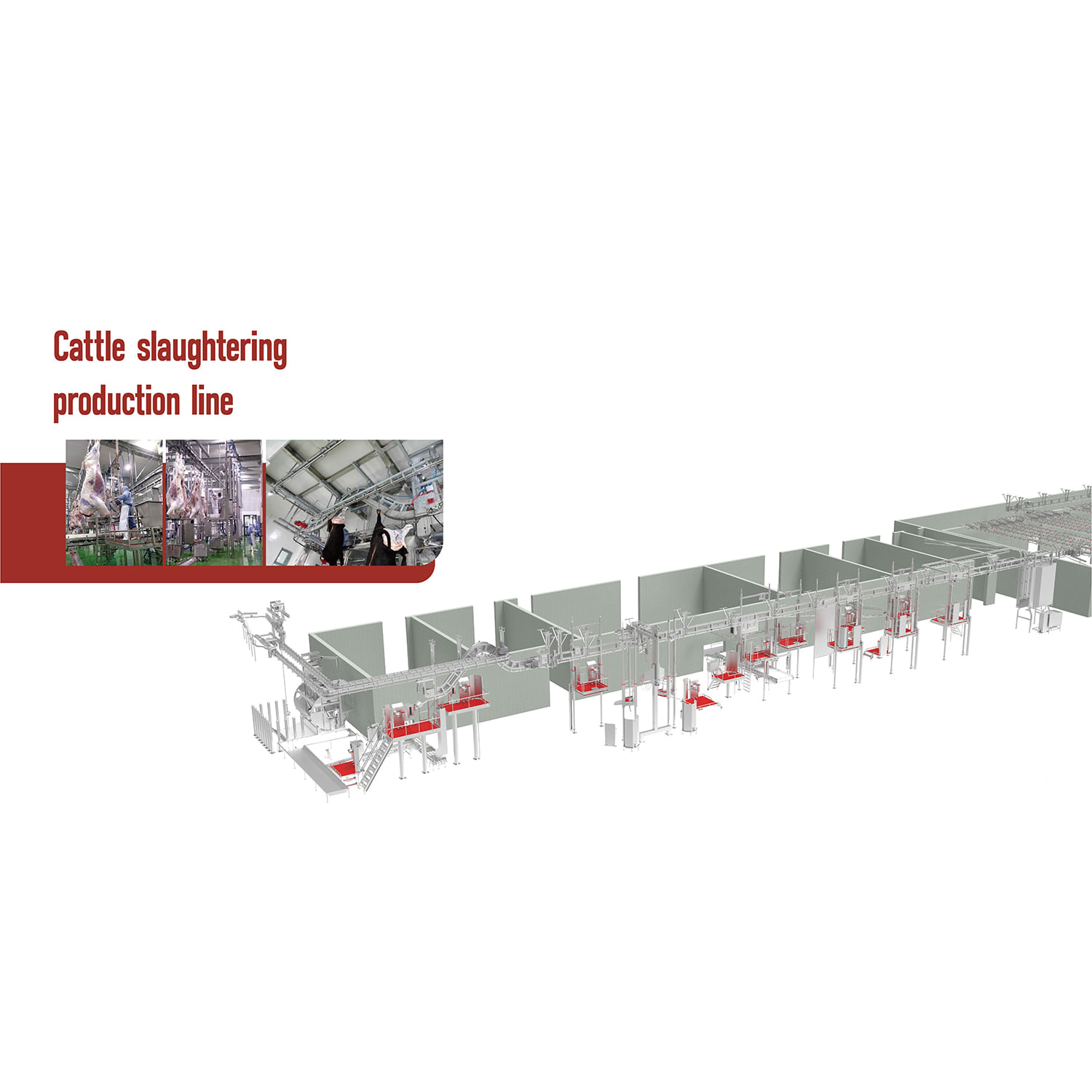
Manual dehiding is one of the most labor-intensive and high-risk stages in a slaughterhouse. Modern solutions employ downward-pulling hide strippers that operate in sync with the overhead conveyor system. These machines use high-torque motors to remove the hide in a single motion, significantly reducing the risk of carcass contamination from the external hide surface. This automation not only improves hygiene but also increases the throughput speed, allowing plants to process more heads per hour with fewer manual interventions.
Performance Metrics for Automated Lines
| Process Step | Manual Duration | Automated Duration |
| Hide Removal | 5-8 Minutes | 1.5-2 Minutes |
| Carcass Splitting | 2-3 Minutes | Under 45 Seconds |
Integrated Hygiene and Sanitization Systems
Food safety is the primary driver for technological investment in slaughtering solutions. Integrated carcass wash stations use a combination of hot water, lactic acid sprays, or steam pasteurization to eliminate pathogens like E. coli and Salmonella. These systems are often designed as "tunnels" that the carcass passes through automatically. Furthermore, tool sterilization units located at every workstation ensure that knives and saws are disinfected in 82°C water between every carcass, preventing cross-contamination throughout the line.
Cold Chain Management and Chilling Solutions
Once the slaughtering process is complete, rapid temperature reduction is essential to maintain meat color, texture, and safety. Modern solutions include blast chilling tunnels that utilize high-velocity air circulation to bring the internal temperature of the carcass down quickly. Advanced PLC (Programmable Logic Controller) systems monitor the humidity and temperature in real-time to prevent "cold shortening," a condition that toughens the meat if cooled too rapidly. Efficient rail systems then transport the chilled sides to the deboning area or into refrigerated storage without manual handling.
Benefits of Precision Chilling
- Reduction in carcass weight loss (shrinkage) due to moisture evaporation.
- Extended shelf life through suppressed bacterial growth.
- Improved tenderness through controlled enzymatic aging processes.