

 English
 русский
 Español
 عربى
عربى
Content
Understanding the Science of Vacuum Tumbling
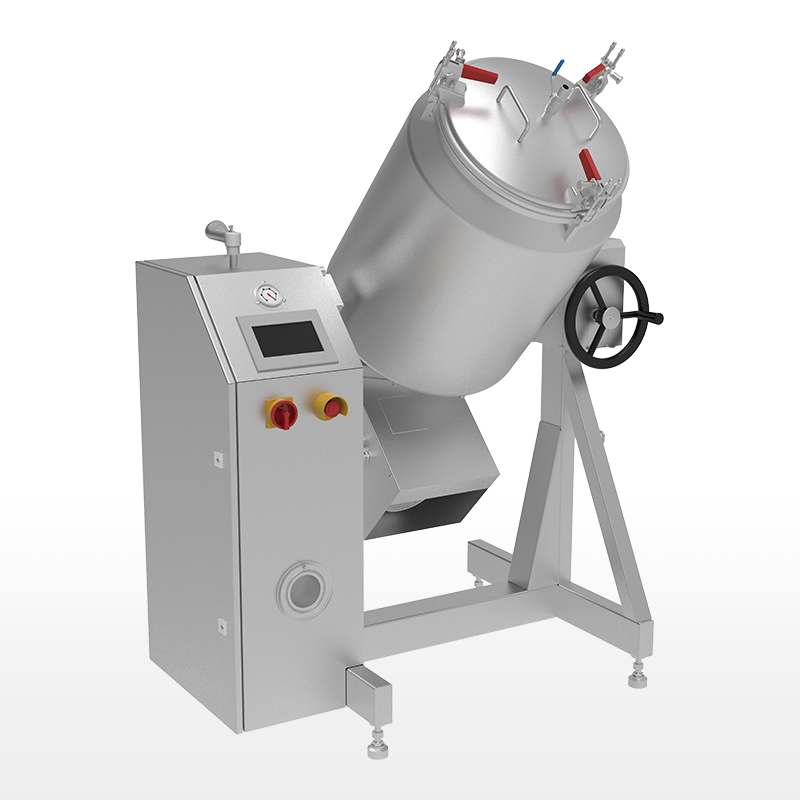
A vacuum tumbler marinator operates on the principle of atmospheric pressure reduction to accelerate the brining and marinating process. In a traditional soak, marinade penetrates meat slowly through simple osmosis, which can take 12 to 24 hours. However, a vacuum tumbler removes air from the drum, causing the muscle fibers of the meat to expand and open. This creates a "sponge effect" where the marinade is pulled deep into the core of the protein almost instantly. This process not only saves time but ensures that flavor profiles are consistent throughout the entire cut of meat rather than just on the surface.
Beyond flavor, the physical action of tumbling serves a secondary, crucial purpose: protein extraction. As the meat rotates and drops within the drum, the physical agitation breaks down tough connective tissues. This mechanical tenderization, combined with the vacuum pressure, results in a significantly juicier end product. For commercial processors and culinary enthusiasts alike, this means less shrinkage during cooking and a higher final yield, as the meat retains more moisture throughout the thermal process.
Key Components of a High-Performance Marinator
The Vacuum Pump and Gauge
The heart of any vacuum tumbler is its pump. A high-quality machine must be able to maintain a consistent vacuum seal throughout the cycle. Most professional units feature an integrated gauge that allows users to monitor the pressure levels, typically measured in inches of mercury (Hg). Maintaining the correct pressure is vital; if the vacuum is too weak, the fibers won't open sufficiently, but if it is held incorrectly, the seal may fail, leading to uneven marination.
Drum Design and Baffles
The internal architecture of the drum dictates how effectively the meat is massaged. Quality tumblers include internal fins or baffles that lift the product and allow it to fall gently. This "gravity-fed" massage is what facilitates the protein extraction. The drum material should always be high-grade stainless steel to ensure food safety, prevent chemical reactions with acidic marinades, and allow for easy sanitization after use.
Comparative Processing Times
To illustrate the efficiency of a vacuum tumbler compared to traditional methods, refer to the following processing estimates for common proteins:
| Protein Type | Traditional Soak Time | Vacuum Tumbler Time |
| Chicken Breast | 4 - 8 Hours | 15 - 20 Minutes |
| Beef Steaks | 12 - 24 Hours | 30 - 40 Minutes |
| Pork Chops | 6 - 12 Hours | 20 - 25 Minutes |
| Seafood/Shrimp | 30 - 60 Minutes | 5 - 10 Minutes |
Best Practices for Optimal Results
Achieving the best results with a vacuum tumbler requires more than just placing ingredients in the drum. Following specific operational protocols will ensure safety and quality:
- Maintain cold temperatures: Always ensure the meat and the marinade are chilled (below 40°F) before starting the cycle to prevent bacterial growth.
- Observe load capacities: Never fill the drum more than 60-70% full. Overfilling prevents the meat from "tumbling" and instead causes it to slide, which negates the tenderizing effect.
- Manage marinade ratios: Because vacuum tumbling is so efficient, you often need less marinade than traditional methods. Excess liquid can sometimes lead to a "washed out" flavor if not balanced correctly with salt and spices.
- Clean the vacuum line: Periodically check that no liquid has been sucked into the vacuum pump or hoses, as this can damage the motor and lead to cross-contamination.
Applications in Commercial and Home Kitchens
In the commercial sector, vacuum tumblers are indispensable for high-volume barbecue restaurants, deli meat production, and jerky manufacturing. The ability to standardize flavor and weight gain across thousands of pounds of product ensures profitability and customer satisfaction. By forcing the brine into the cells of the meat, producers can guarantee that every bite of a smoked brisket or turkey breast is as moist as the last.
For the advanced home cook or small caterer, smaller countertop vacuum tumblers have revolutionized meal prep. They allow for "last-minute" gourmet meals that would otherwise require days of planning. Whether it is infusing a Korean Bulgogi marinade into tough flank steak or preparing a large batch of wings for a weekend event, the vacuum tumbler provides a level of penetration and texture that manual whisking and soaking simply cannot replicate.