

 English
 русский
 Español
 عربى
عربى
Content
The Science of Kinetic Marination in Meat Tumblers
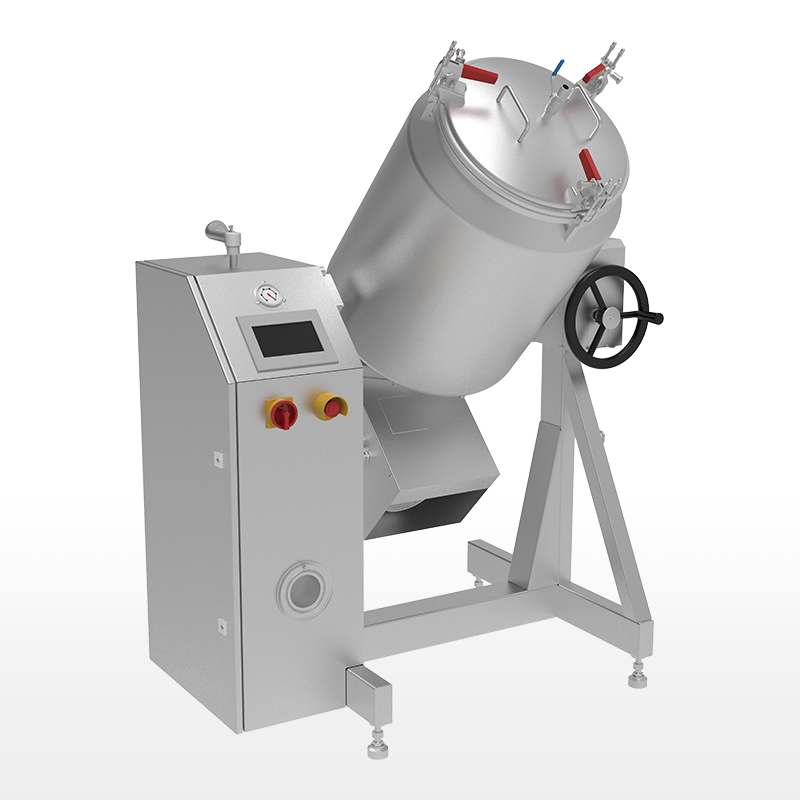
A tumbler meat machine, commonly referred to as a vacuum tumbler, is essential for modern meat processing. Unlike traditional soaking methods, a tumbler uses physical massage and atmospheric pressure changes to force brine and seasonings into the muscle fibers of the meat. As the drum rotates, the meat is lifted and dropped, creating a "butterfly" effect that stretches the tissue. This mechanical action breaks down connective proteins, resulting in a significantly more tender end product that retains moisture during the cooking process.
The inclusion of a vacuum environment is what truly sets these machines apart. By removing oxygen from the drum, the muscle fibers of the meat expand, creating larger gaps for the marinade to penetrate. This not only speeds up the curing process from days to hours but also prevents the aerobic bacteria growth that typically occurs during long marination cycles, ensuring a safer and more hygienic production line.
Key Components and Operational Features
Variable Speed Control and Drum Design
Different types of protein require specific rotation speeds to avoid bruising. For instance, delicate poultry or seafood requires a slower, more gentle tumble, whereas dense beef cuts can withstand higher speeds for deeper penetration. High-quality tumblers feature fins or baffles inside the drum that are designed to slide the meat rather than just dropping it, which preserves the aesthetic integrity of the cut while ensuring even distribution of spices.
Integrated Vacuum Systems
The vacuum pump is the heart of the machine. Most industrial units allow for "continuous" or "pulsating" vacuum settings. Pulsating vacuuming alternates between high and low pressure, which acts like a sponge, drawing liquid in and squeezing it through the fibers. This is particularly effective for thick cuts like hams or whole roasts where surface-level marination is insufficient.
Optimal Processing Parameters for Different Proteins
To achieve the best results, operators must balance time, temperature, and rotation speed. Use the following table as a general guideline for standard meat tumbling operations:
| Protein Type | Tumbling Time | Rotation Speed | Vacuum Level |
| Chicken Breast | 20–40 Minutes | 8–12 RPM | 60% - 70% |
| Pork Loin | 45–90 Minutes | 10–15 RPM | 70% - 80% |
| Beef Brisket | 2–4 Hours | 12–18 RPM | 85% + |
| Seafood/Shrimp | 10–15 Minutes | 3–5 RPM | 40% - 50% |
Advantages of Implementing a Tumbler Machine
The adoption of vacuum tumbling technology provides several measurable benefits for both small-scale butcher shops and large-scale industrial processors:
- Increased Product Yield: By binding the brine to the protein, the final weight of the meat increases, which directly boosts profit margins.
- Enhanced Flavor Profile: Spices and curing agents are distributed uniformly, eliminating "bland spots" in large cuts of meat.
- Improved Slicing Characteristics: The protein extraction caused by tumbling creates a natural "glue," allowing for cleaner slices in deli meats without crumbling.
- Reduced Processing Time: What once took 24 hours of overnight marination can now be achieved in under an hour, increasing production throughput.
Maintenance and Sanitation Best Practices
Because a tumbler meat machine handles raw protein and liquids, strict hygiene protocols are mandatory. The drum should be constructed of high-grade 304 or 316 stainless steel to resist corrosion from salt and acidic marinades. After every batch, the drum should be rinsed, and a deep clean should be performed daily using food-grade degreasers and sanitizers.
In addition to cleaning, the vacuum pump filter requires regular inspection. If marinade or moisture is sucked into the pump, it can lead to mechanical failure. Keeping the seals and gaskets lubricated with food-safe grease will maintain the airtight integrity of the drum, ensuring that the machine operates at peak efficiency for years to come.