

 English
 русский
 Español
 عربى

Walk into a busy meat plant and you will hear a low, steady rumble from the marination room. That sound often comes from a meat marinade tumbler doing the quiet work that decides whether tomorrow’s ham, bacon, jerky, or whole-muscle cut tastes consistent from the first slice to the last. The machine looks simple: a drum, a vacuum pump, a drive, and a control panel. But those parts have to work together with the meat, the brine, the temperature, and the people running the line.
If you are reviewing equipment for a new program or replacing an older drum, it helps to look beyond the label. A tumbler is a process tool, not a magic box. The right one gives you repeatable absorption, dependable texture, and a cleaning routine your team can actually follow. You can review our vacuum tumbler range as a starting point, but the better starting point is your product and your production day.
Content
- 1 What a Meat Marinade Tumbler Actually Does
- 2 Why Vacuum Marinating Earns Its Place
- 3 Match the Tumbler to the Meat, Not the Brochure
- 4 Temperature Control Is Part of the Recipe
- 5 Yield, Texture, and the Discipline of a Repeatable Program
- 6 Cleaning and Maintenance Keep the Process Honest
- 7 A Practical Buying Checklist
- 8 Fitting the Tumbler into the Wider Line
- 9 A Better Marinade Starts with the Right Drum
What a Meat Marinade Tumbler Actually Does
At its core, a meat marinade tumbler combines two actions. The vacuum removes air from the drum and from the spaces inside the meat, which helps brine move into the product instead of sitting on the surface. The rotating drum then lifts and drops the meat gently, working the brine into the muscle and encouraging protein extraction that improves bind and sliceability in many processed products.
The result is not simply “meat that sits in liquid.” A well-run vacuum cycle can shorten marination time compared with static soaking, but the useful word is “can.” The final schedule still depends on the cut, thickness, brine strength, vacuum level, drum speed, load size, and temperature. A whole pork loin, a batch of chicken pieces, and a diced beef product do not respond in the same way.
- Distribution: brine reaches more of the batch instead of concentrating near the surface.
- Repeatability: a controlled vacuum and rotation cycle is easier to document than hand-turning bins.
- Texture: gentle mechanical action can improve tenderness and water-holding, but overworking can make meat soft or pasty.
- Throughput: larger batches can be processed with less manual handling, provided loading and unloading are planned properly.
Some plants call the equipment a vacuum tumbler, a meat massager, or a marinade drum. The names overlap. What matters is whether the machine’s action, vacuum, and temperature control suit the product you sell.
Why Vacuum Marinating Earns Its Place
Static marination is not wrong. Many traditional products rely on time in a brine or a dry rub, and some recipes should not be rushed. But for processors who need to repeat a brine percentage across shifts, vacuum tumbling offers practical advantages. It reduces air pockets that can slow absorption, it keeps the batch moving, and it allows the process to be programmed and recorded.
There is also a yield conversation. When brine is absorbed more evenly, less of it remains in the bottom of the bin or drains away later. That does not mean every product gains weight in the same way, and it is not a reason to skip proper cooking, chilling, or shelf-life validation. It simply means the marinade is doing useful work inside the meat rather than being poured down the drain.
The biggest gains usually appear when a plant moves from small, manual batches to a defined cycle. Once the team can repeat the same load size, vacuum level, rotation time, and rest period, the quality conversation becomes much clearer.
Match the Tumbler to the Meat, Not the Brochure
Capacity is more than a number in litres. A drum that is filled too full cannot lift and drop the meat properly. A drum that is too empty may bruise delicate pieces or waste vacuum capacity. Loading height, door size, discharge method, and floor space all affect how smoothly the machine fits into a shift. For whole-muscle products, a horizontal drum is a common choice because it gives a long, gentle lift-and-drop action and straightforward loading.
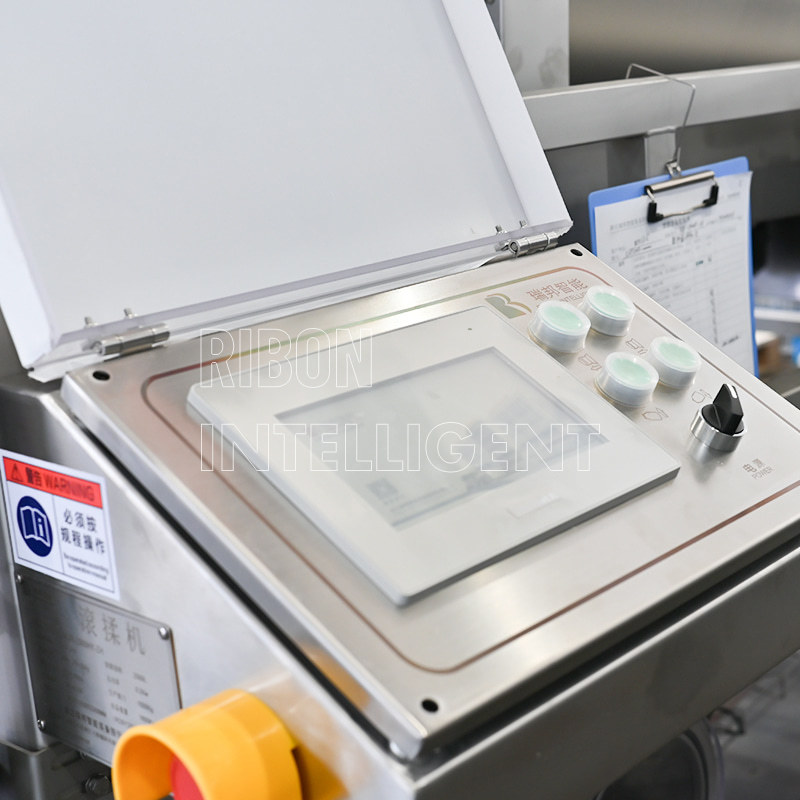 Horizontal Vacuum Tumbler for Meat Marination and TumblingCompare drum capacity, loading, vacuum pump, drum speed, and controls against your actual batch size before selecting a model.View Product →
Before comparing models, write down the batch size you actually run, not the batch size you hope to run someday. Then confirm the working capacity, minimum load, vacuum pump specification, drum speed range, and control system against that number. A machine that is oversized for daily production can be just as frustrating as one that is too small.
| Requirement | What It Affects | Practical Question |
|---|---|---|
| Batch size | Load consistency and cycle time | What is the normal and maximum weight per cycle? |
| Drum design | Mechanical action and product damage | Will the drum handle whole muscle, diced meat, or delicate pieces? |
| Vacuum performance | Air removal and brine uptake | How quickly can the pump reach the required vacuum? |
| Temperature control | Food safety and texture | Is chilled brine enough, or is a refrigerated drum needed? |
| Controls | Repeatability and records | Can recipes be stored, locked, and traced by batch? |
| Cleaning access | Changeover time and hygiene | Can operators reach seals, screens, and product-contact areas? |
Temperature Control Is Part of the Recipe
Marination is a temperature-sensitive operation. If the meat or brine warms up during a long cycle, the process becomes harder to control and the product’s safety margin narrows. Chilled brine, a cold room, and short working windows are often enough for small batches. Larger loads and longer cycles may justify a refrigerated tumbler that keeps the drum environment cold while the vacuum and rotation do their work.
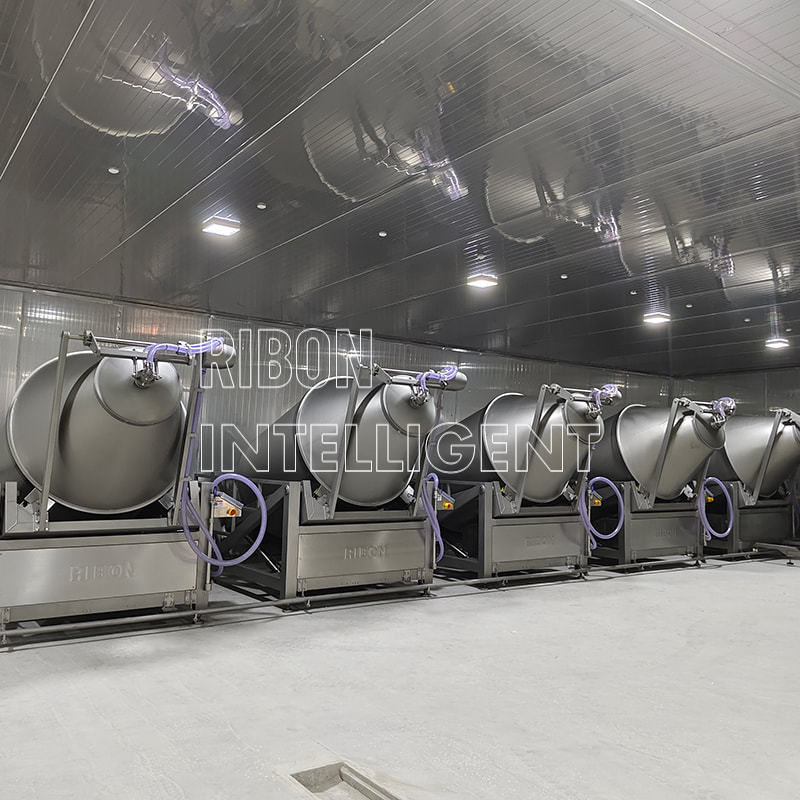 Refrigerated vacuum tumblerThe RIBON refrigerated tumbler/cooling tumbler operates through an integrated independent refrigeration system working in conjunction with a jacket surrounding the out...View Product →
Useful checks include the incoming meat temperature, brine temperature, room temperature, and the temperature at the end of the cycle. Do not rely on the machine alone to fix a warm room or a brine that was mixed too early. A tumbler can remove air and distribute brine, but it cannot undo poor temperature discipline upstream.
Yield, Texture, and the Discipline of a Repeatable Program
Over-tumbling is one of the most common mistakes in marinade development. More time does not always mean better absorption. Past a certain point, whole-muscle pieces can become too soft, and fine emulsions or diced products can lose the texture the customer expects. A good program starts with a conservative cycle, then uses measured trials to adjust vacuum, rotation, rest, and brine concentration.
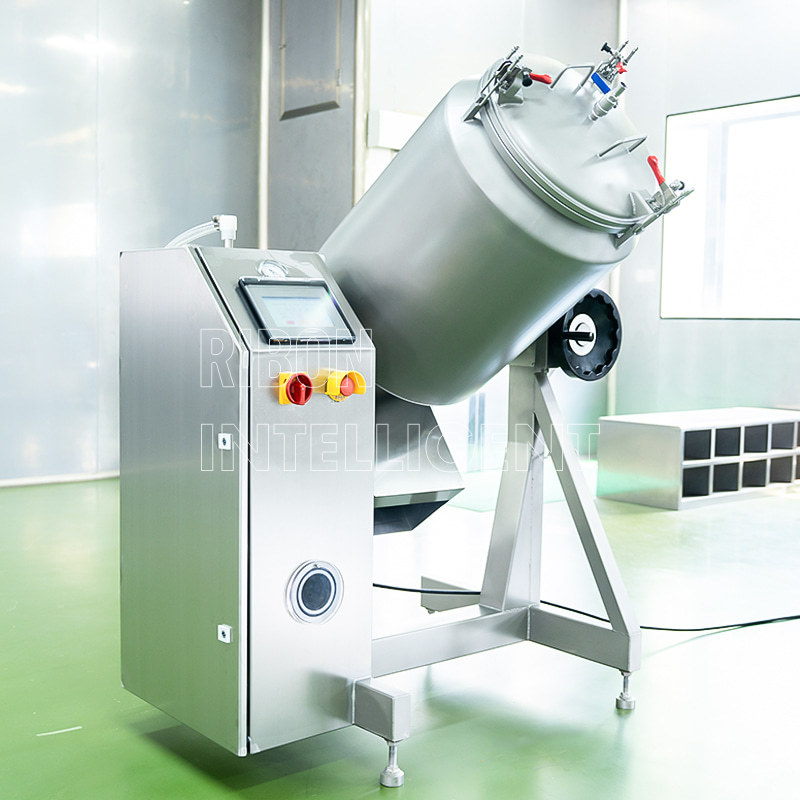 RGR-150VF Vacuum Tumbler for Trials and Restaurant ProductionUse the 150 L drum and adjustable 3–17 rpm rotation to run measured marinade trials before scaling a cycle to production.View Product →
Record the variables that matter: raw material specification, brine recipe, load weight, drum speed, vacuum level, cycle time, intermittent rest pattern, and final temperature. Then taste and measure the result. A named model such as the RGR150VF can be a useful reference during planning, but the working capacity and cycle still need to be matched to your own product and batch plan.
For processors building a new line, the tumbler should also be sized alongside the smokehouse, chiller, and packing schedule. A fast marination cycle is little help if the next process is already a bottleneck.
Cleaning and Maintenance Keep the Process Honest
Marinade equipment handles salt, sugar, spices, and protein-rich liquids that can create stubborn films if they are allowed to dry. A clear cleaning routine is not a paperwork exercise; it protects flavor, reduces changeover time, and helps the next batch start clean. Our guide to cleaning a meat marinade tumbler covers the practical steps, while the manufacturer’s procedure should remain the final reference for your specific machine.
- Remove product residue from the drum, door seal, and discharge area before it dries.
- Check vacuum seals, screens, and filters for cracks, buildup, or deformation.
- Confirm that cleaning chemicals are compatible with the materials and are fully rinsed.
- Inspect the drum drive, vacuum pump, and safety devices at planned intervals.
- Keep a short daily log so small leaks or unusual noise are noticed before they become downtime.
Changeovers deserve particular attention. A light-colored poultry product after a dark marinated beef batch needs a verified cleaning step, not just a quick rinse. The same applies when allergens or strongly flavored spices are part of the recipe.
A Practical Buying Checklist
When you compare tumblers, keep the conversation on process rather than appearance. A stainless drum and a control panel are only the beginning. The following points help a technical team ask better questions during a site visit or supplier review.
- Define the product families and the batch weights you expect in a normal week.
- Confirm the working capacity, minimum load, and loading method for each product type.
- Ask how vacuum level, drum speed, and rest cycles are programmed and recorded.
- Check whether chilled brine or a refrigerated drum is needed for your temperature window.
- Review cleaning access, seal replacement, spare parts, and local service support.
- Run a trial with your own meat and brine whenever possible, then measure yield and texture.
A trial batch is worth more than a long brochure. It reveals how the machine behaves with the piece sizes you actually buy, not the perfect sample used for a demonstration.
Fitting the Tumbler into the Wider Line
In a modern meat plant, the marinade tumbler rarely works alone. It sits between cutting, deboning, or portioning and the smokehouse, cooker, or chiller. If those steps are not planned together, the tumbler becomes either a buffer or a bottleneck. Load height, trolley flow, brine preparation, and clean-in-place access should all be discussed at layout stage.
This is where experience with full meat processing lines helps. A supplier that understands both marination and downstream thermal processing can ask better questions about batch matching and product transfer. That said, the final decision should still be based on your product trials, your maintenance capability, and the service support available in your region.
A Better Marinade Starts with the Right Drum
The best meat marinade tumbler is not automatically the largest or the most feature-heavy. It is the one that matches your batch size, treats your product gently, holds the right temperature, and fits a cleaning routine your team can sustain. Start with the meat, define the process, and then choose the drum. That order keeps the project grounded in flavor, yield, and dependable production rather than a list of specifications that look impressive on paper but do little for the product in the bag.