

 English
 русский
 Español
 عربى
عربى
If you've ever pulled a batch of sausage or bacon out of a smoker only to find the top rack overcooked and the bottom rack still pale, the problem probably wasn't your recipe. It was airflow. A vertical airflow smokehouse is built specifically to solve this problem by moving smoke and heat in a controlled, predictable path from bottom to top, so every rack gets roughly the same treatment. This guide breaks down how these smokehouses work, why the vertical design matters, and how to set one up so your results are consistent every single time.
Content
What Makes a Vertical Airflow Smokehouse Different
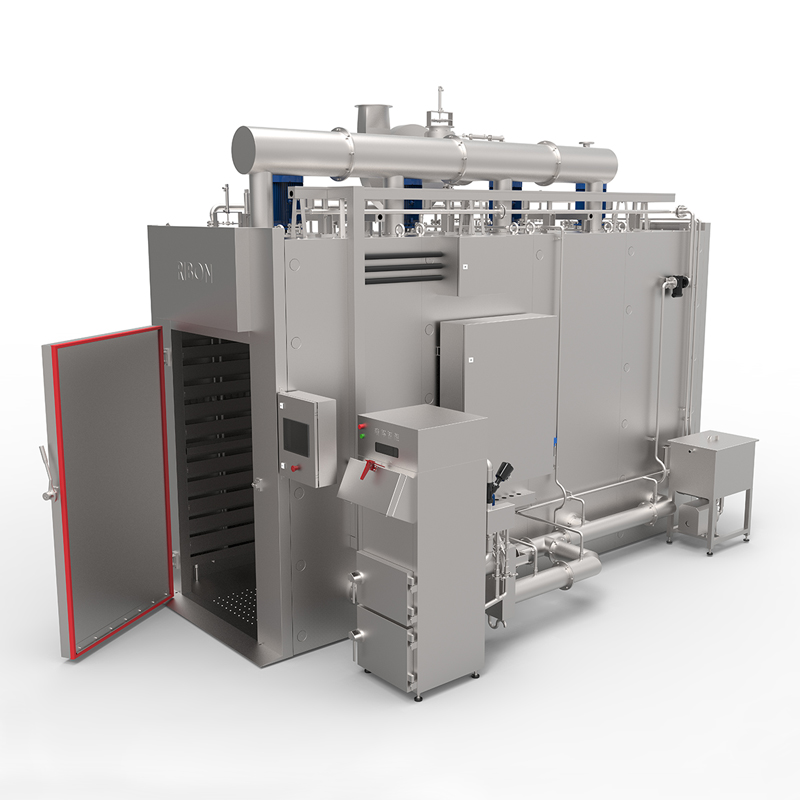
A vertical airflow smokehouse is a tall, upright chamber where heat and smoke enter near the bottom, rise naturally through the cabinet, and exit through a vent at the top. This is different from horizontal smokers or offset pits, where smoke travels sideways and often loses heat and moisture unevenly along the way. Because heat naturally rises, a vertical design works with physics instead of against it, which is a big part of why these units are popular for both home smokers and small commercial operations.
The vertical airflow smokehouse concept isn't new — it's essentially a modern, insulated version of the traditional smokehouses used for generations to cure sausage, ham, and fish. What's changed is the level of control: adjustable dampers, thermostats, and multiple vent points now let users fine-tune exactly how fast air moves and how much smoke builds up inside.
Why Airflow Direction Matters More Than You Think
Temperature gets most of the attention in smoking discussions, but airflow is just as important, if not more so. Poor airflow creates hot spots, uneven smoke deposits, and moisture buildup that can lead to soggy bark or even spoilage in extreme cases. In a vertical airflow smokehouse, the goal is to create a steady, gentle draft that pulls smoke past every piece of meat on every rack before it exits.
- Consistent airflow prevents cold spots where bacteria can thrive during long cook times
- Even smoke distribution means no rack tastes drastically different from another
- Proper draft removes excess moisture, helping bark form correctly on the exterior
- Controlled airflow reduces creosote buildup that causes bitter, acrid flavors
Key Components That Control Airflow
Intake Vents
Intake vents are usually located near the bottom of the smokehouse, close to the firebox or heat source. These vents control how much oxygen feeds the fire or heating element, which directly affects both temperature and smoke production. Opening the intake wider increases airflow and can raise temperature, while closing it down slows combustion and thickens the smoke.
Exhaust Damper
Positioned at or near the top, the exhaust damper is arguably the most important control on a vertical airflow smokehouse. It determines how quickly smoke and heat are pulled up and out. A damper that's too closed traps moisture and creates stale, bitter smoke; one that's too open lets heat escape too fast and can dry out the meat before it's properly smoked.
Internal Baffles
Some vertical smokehouses include internal baffle plates that redirect airflow so it doesn't rush straight up the center and bypass the outer racks. Baffles force smoke to swirl slightly before continuing upward, which improves contact time with the meat and results in more even coloring and flavor from rack to rack.
Setting Up Your Vertical Airflow Smokehouse for Even Results
Getting consistent results from a vertical airflow smokehouse comes down to a few repeatable habits rather than expensive equipment. Start by preheating the chamber fully before loading any meat, since a cold cabinet creates uneven early airflow that never fully corrects itself later in the cook. Load racks with enough space between pieces so air can move freely around each one instead of being blocked by overcrowding.
It also helps to rotate racks partway through longer cooks, especially in smokehouses without internal baffles. Even a well-designed vertical airflow path will have some natural temperature gradient from bottom to top, so a single rotation halfway through can even out the final result significantly.
| Vent Setting | Effect on Airflow | Best Used For |
| Intake wide open, exhaust wide open | Fast, strong draft | High-heat finishing or fast cooks |
| Intake half open, exhaust half open | Steady, moderate draft | Most standard smoking sessions |
| Intake mostly closed, exhaust cracked | Slow, thick smoke buildup | Cold smoking cheese or fish |
Common Airflow Mistakes to Avoid
Even a well-built vertical airflow smokehouse can produce disappointing results if the airflow is mismanaged. The most frequent mistake is closing the exhaust damper too tightly in an attempt to "trap more smoke flavor." This actually suffocates the fire, produces thin white acrid smoke instead of thin blue smoke, and leaves meat tasting bitter rather than richly smoked.
- Overloading racks so airflow can't circulate between pieces of meat
- Leaving the door open too long during checks, which disrupts the internal draft pattern
- Using wet or green wood that produces excess moisture and clogs airflow with heavy smoke
- Ignoring outdoor wind conditions, which can pull exhaust airflow off balance
Maintaining Consistent Airflow Over Time
Airflow performance in a vertical airflow smokehouse tends to degrade gradually as creosote and ash build up inside vents and baffles. Cleaning intake and exhaust openings after every few uses keeps airflow predictable and prevents the gradual drift toward uneven cooking that many users mistake for equipment failure. It's also worth checking door seals and gaskets periodically, since even small gaps change how air moves through the chamber and can undercut all the careful vent adjustments you've made.
With regular maintenance and a basic understanding of how intake, exhaust, and internal baffles work together, a vertical airflow smokehouse becomes one of the most forgiving and consistent tools for producing evenly smoked meat, whether you're doing a weekend batch of sausage or running a small-scale curing operation.