

 English
 русский
 Español
 عربى
عربى
If you've ever waited overnight for a steak or chicken breast to soak up flavor, only to be disappointed by a marinade that barely penetrated the surface, a vacuum tumbler marinator might be the tool that changes how you cook forever. This compact kitchen device uses vacuum pressure and gentle tumbling motion to force marinade deep into meat, fish, and vegetables in a fraction of the time traditional soaking requires. Below, we break down exactly how it works, why it outperforms old-school marinating bowls and bags, and how to get the most out of one in your own kitchen.
Content
- 1 What Is a Vacuum Tumbler Marinator and How Does It Work
- 2 Why Vacuum Tumbling Marinates Faster Than Traditional Methods
- 3 Key Features to Look for When Buying a Vacuum Tumbler Marinator
- 4 Step-by-Step Guide to Using a Vacuum Tumbler Marinator at Home
- 5 Best Foods to Marinate with a Vacuum Tumbler Marinator
- 6 Common Mistakes to Avoid When Using a Vacuum Tumbler Marinator
- 7 Vacuum Tumbler Marinator vs Traditional Marinating: A Comparison Table
- 8 Cleaning and Maintenance Tips for Long-Lasting Performance
What Is a Vacuum Tumbler Marinator and How Does It Work
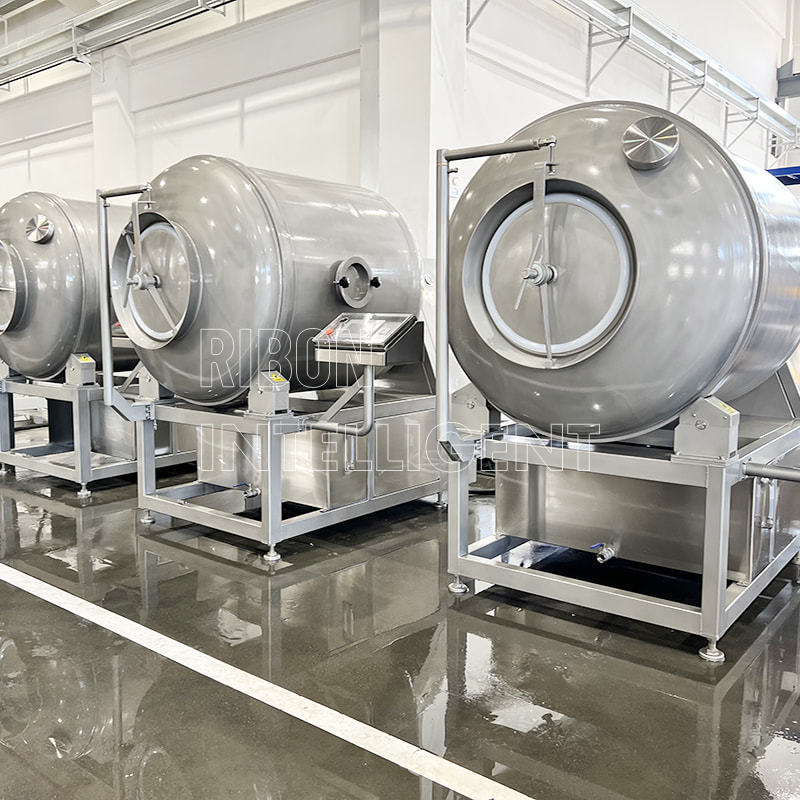
A vacuum tumbler marinator is a countertop appliance consisting of a sealed drum or canister, a vacuum pump, and a rotating or tumbling mechanism. Once meat and marinade are placed inside the sealed container, the vacuum pump removes air from the chamber. This drop in air pressure opens up the muscle fibers in the meat, allowing the surrounding liquid to be drawn inward rather than simply sitting on the surface. As the drum rotates or tumbles, the meat is repeatedly massaged against the marinade, further breaking down connective tissue and pushing flavor and moisture deeper into the protein.
Unlike a static container where marinade only interacts with the outer layer of food, the combination of vacuum suction and mechanical tumbling creates a physical pathway for liquid to travel inward. This is why a vacuum tumbler marinator can achieve in 15 to 30 minutes what a plastic bag in the refrigerator might need 8 to 12 hours to approximate.
Why Vacuum Tumbling Marinates Faster Than Traditional Methods
Traditional marinating relies almost entirely on diffusion — the slow, passive movement of flavor molecules from an area of high concentration (the marinade) to an area of low concentration (the meat). Diffusion is a gradual process, and even after many hours, most marinades only penetrate a few millimeters below the surface of the meat.
A vacuum tumbler marinator changes the physics of the process. When air is evacuated from the sealed drum, tiny air pockets trapped inside the meat's muscle fibers expand and are pulled out, creating open channels. The moment normal pressure is reintroduced or the tumbling continues, marinade rushes into those newly opened channels. This mechanical assist means flavor and moisture are actively pushed into the food rather than waiting to slowly migrate there on their own.
The Role of Tumbling Motion
The tumbling action isn't just for even coating. As the meat rotates and falls repeatedly inside the drum, it experiences a gentle, repeated massaging effect. This physical agitation helps break down tough connective tissue, which is part of why tumbled meats often taste more tender even before cooking begins.
Key Features to Look for When Buying a Vacuum Tumbler Marinator
Not all vacuum tumbler marinators are built the same, and the right choice depends on how often you cook and how much food you typically prepare. Consider the following features before making a purchase.
- Drum capacity — smaller units suit individuals or couples, while larger drums are better for families or batch meal prep
- Vacuum strength — a stronger pump creates a more pronounced pressure differential, speeding up marinade absorption
- Tumbling speed settings — adjustable speeds allow gentler tumbling for delicate items like fish or shrimp
- Timer and auto shut-off — lets you set a cycle and walk away without babysitting the machine
- Ease of cleaning — removable, dishwasher-safe drums save significant time after use
- Noise level — motorized tumbling units vary widely in how loud they are during operation
Step-by-Step Guide to Using a Vacuum Tumbler Marinator at Home
Getting consistent results from a vacuum tumbler marinator comes down to following a simple, repeatable process. Here's how most home cooks use theirs from start to finish.
Preparing the Meat and Marinade
Cut meat into portions that fit comfortably in the drum, leaving room for the tumbling motion to actually move the food around. Prepare your marinade as you normally would, keeping in mind that vacuum tumbling amplifies flavor absorption, so slightly diluting strong marinades like soy-based or citrus-heavy blends can prevent an overpowering result.
Running the Vacuum and Tumble Cycle
Add the meat and marinade to the drum, seal the lid, and start the vacuum cycle. Once the target vacuum pressure is reached, the tumbling cycle typically begins automatically. Most cycles run between 10 and 30 minutes depending on the cut of meat and desired intensity of flavor. Tougher cuts like brisket or pork shoulder often benefit from a slightly longer cycle or a second short round.
Resting and Cooking
After tumbling, many cooks let the meat rest for 10 to 15 minutes before cooking to allow the marinade to settle evenly throughout the muscle fibers. From there, the meat can be grilled, roasted, or pan-seared exactly as you normally would.
Best Foods to Marinate with a Vacuum Tumbler Marinator
While a vacuum tumbler marinator works well on almost any protein, some foods show more dramatic improvement than others because of their density and fiber structure.
- Chicken breast and thighs — absorbs marinade quickly and stays juicy after cooking
- Pork chops and tenderloin — benefits from both flavor penetration and tenderizing action
- Beef steaks and stew cuts — tougher cuts see the most noticeable tenderness improvement
- Shrimp and firm white fish — requires shorter cycles and gentler tumbling speeds
- Tofu and tempeh — porous texture absorbs marinade especially fast under vacuum pressure
- Vegetables like mushrooms and zucchini — great for quick flavor infusion before grilling
Common Mistakes to Avoid When Using a Vacuum Tumbler Marinator
Even with a straightforward device, a few habits can lead to disappointing results. Overfilling the drum is one of the most frequent errors — when the drum is packed too tightly, the meat cannot tumble freely, which limits how effectively the marinade circulates. Using marinades that are too thick or too salty is another common issue, since the accelerated absorption process can make an already strong marinade taste overwhelming after just one cycle.
Skipping the resting period after tumbling is another mistake worth avoiding. Cooking immediately after the cycle ends can result in uneven flavor distribution, since the marinade needs a short window to settle throughout the meat. Finally, neglecting to clean the drum and seals promptly after each use can lead to residual odors or a weakened vacuum seal over time.
Vacuum Tumbler Marinator vs Traditional Marinating: A Comparison Table
The table below highlights the practical differences between using a vacuum tumbler marinator and marinating meat the traditional way in a bowl or sealed bag.
| Factor | Vacuum Tumbler Marinator | Traditional Marinating |
| Time Required | 15–30 minutes | 4–24 hours |
| Flavor Penetration Depth | Deep, throughout the meat | Shallow, mostly surface-level |
| Tenderizing Effect | Noticeable, especially on tougher cuts | Minimal to none |
| Equipment Needed | Vacuum tumbler machine | Bowl or resealable bag |
| Consistency of Results | Highly consistent | Varies by time and cut |
Cleaning and Maintenance Tips for Long-Lasting Performance
Proper cleaning keeps a vacuum tumbler marinator working efficiently and prevents odors or bacterial buildup from lingering in the drum. After each use, disassemble any removable parts and rinse them promptly, as dried marinade residue can be more difficult to remove once it hardens on the drum walls or seal.
Daily Cleaning Routine
Wash the drum, lid, and any removable gaskets with warm soapy water, or place dishwasher-safe components on the top rack if the manufacturer allows it. Wipe down the vacuum port and seal area with a damp cloth to prevent marinade buildup, which can weaken the vacuum seal over time.
Long-Term Maintenance
Periodically inspect rubber gaskets and seals for cracks or wear, since a compromised seal reduces the machine's ability to reach proper vacuum pressure. Store the unit with the lid slightly ajar between uses to prevent trapped moisture and odor buildup, and avoid submerging the motor base or vacuum pump housing in water at any time.