

 English
 русский
 Español
 عربى
عربى
Content
- 1 Why the Right Pig Cutting and Deboning Solution Changes Everything
- 2 Core Stages of a Pig Cutting and Deboning Line
- 3 Manual, Semi-Automated, and Fully Automated Solutions
- 4 Key Factors When Choosing a Pig Cutting and Deboning Solution
- 5 Hygiene and Food Safety Requirements
- 6 Maximizing Yield and Reducing Waste
- 7 Common Mistakes Plants Make With Deboning Lines
- 8 Final Thoughts on Building an Efficient Pig Cutting and Deboning Solution
Why the Right Pig Cutting and Deboning Solution Changes Everything
For any pork processing plant, the cutting and deboning stage is where efficiency, yield, and product quality are either won or lost. A well-designed pig cutting and deboning solution reduces labor costs, minimizes meat waste, improves hygiene standards, and helps plants meet the fast-rising demand for consistent, export-quality pork cuts. On the other hand, an outdated or poorly planned line can lead to bottlenecks, inconsistent cuts, and higher risk of contamination.
As pork consumption continues to grow globally and labor costs rise in many regions, more processing plants are investing in modern pig cutting and deboning equipment and workflow design. This article breaks down what a complete solution actually includes, how to choose the right setup for your plant, and what mistakes to avoid along the way.
Core Stages of a Pig Cutting and Deboning Line
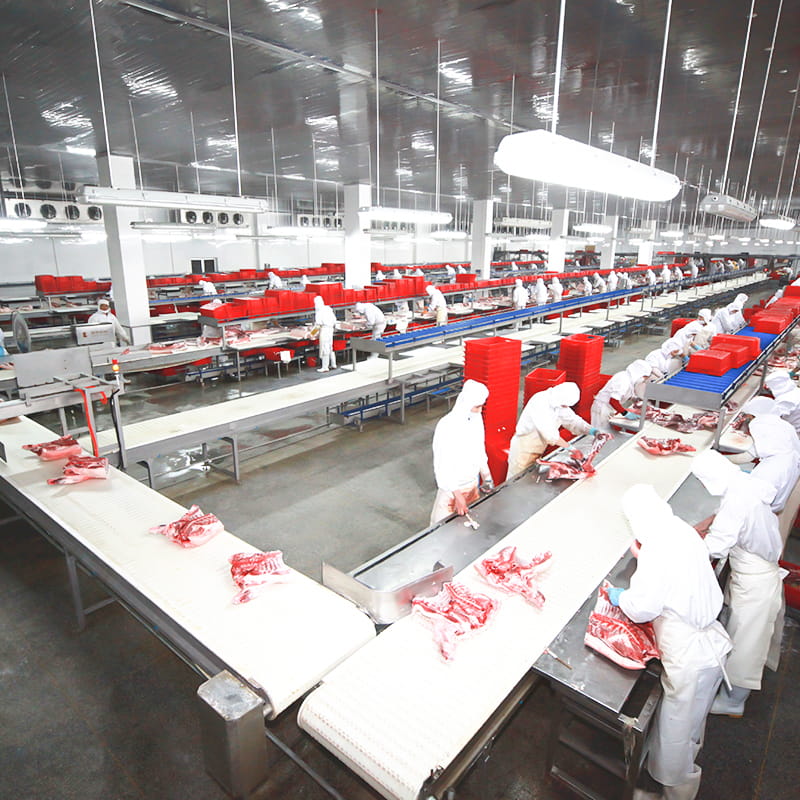
A complete pig cutting and deboning solution typically flows through several connected stages, each requiring specific equipment and skilled handling to maintain both speed and food safety.
| Stage | Purpose | Typical Equipment |
| Carcass splitting | Divide carcass into primal sections | Band saws, splitting saws |
| Primal cutting | Separate shoulder, loin, belly, ham | Cutting tables, conveyor lines |
| Deboning | Remove bones from primal cuts | Deboning stations, pneumatic knives |
| Trimming and grading | Remove fat, sort by quality | Trimming tables, grading conveyors |
| Portioning and packing | Cut to final size and package | Portion cutters, vacuum packaging |
Each of these stages needs to be designed with the next one in mind. A mismatch in speed or layout between deboning and packing, for example, can create a backlog that slows the entire pig cutting and deboning line down.
Manual, Semi-Automated, and Fully Automated Solutions
Manual Cutting and Deboning
Manual pig cutting and deboning relies on skilled butchers using knives and hand tools at cutting tables or hanging rails. This approach offers flexibility for producing specialty cuts and is common in smaller plants or facilities focused on niche markets. However, it depends heavily on labor availability and consistent worker skill, and output speed is naturally limited compared to automated systems.
Semi-Automated Lines
Semi-automated pig cutting and deboning solutions combine mechanical conveyors and positioning equipment with manual cutting stations. Workers still perform the actual cutting and deboning, but the line automatically moves carcasses and cuts between stations, reducing walking time and improving overall throughput. This setup is popular among mid-sized plants looking to boost capacity without a full automation investment.
Fully Automated Systems
Fully automated pig cutting and deboning lines use robotic arms, vision-guided cutting systems, and programmable saws to process carcasses with minimal human intervention. These systems can achieve very high throughput and consistent cut precision, making them well suited for large-scale export-oriented plants. The tradeoff is a significantly higher upfront investment and the need for specialized maintenance staff.
Key Factors When Choosing a Pig Cutting and Deboning Solution
Selecting the right pig cutting and deboning solution is not just about buying the most advanced machines available. Plant operators should evaluate several practical factors before making a decision.
- Daily processing volume and expected future growth in capacity needs
- Available labor supply and local labor cost trends
- Target markets and their specific cut requirements or export standards
- Available floor space and facility layout constraints
- Budget for equipment, installation, and ongoing maintenance
Plants that skip this evaluation step often end up with equipment that is either underused or unable to keep pace with demand, both of which hurt profitability over time.
Hygiene and Food Safety Requirements
Temperature Control Throughout the Line
A proper pig cutting and deboning solution must maintain strict temperature control, typically keeping processing rooms between 10 to 12 degrees Celsius, to slow bacterial growth while cuts are being handled. Any breaks in the cold chain during cutting or deboning can compromise both safety and shelf life.
Sanitary Equipment Design
Cutting tables, conveyors, and deboning stations should be constructed from food-grade stainless steel with smooth, easy-to-clean surfaces that avoid bacteria traps. Equipment with rounded edges, minimal seams, and accessible components for cleaning is a hallmark of a well-designed, hygienic pig cutting and deboning line.
Traceability Systems
Many modern plants integrate barcode or RFID tracking into their pig cutting and deboning workflow, allowing each cut to be traced back to its original carcass and farm source. This traceability is increasingly required by retailers and export markets, and it also helps plants quickly isolate and address any quality issues that arise.
Maximizing Yield and Reducing Waste
One of the biggest advantages of a well-optimized pig cutting and deboning solution is improved meat yield. Precise cutting reduces bone fragments left in meat, minimizes trim loss, and ensures more usable product reaches packaging. Even small improvements in yield percentage can translate into significant revenue gains for high-volume plants.
Training staff on proper knife technique, calibrating automated cutting equipment regularly, and monitoring yield data by shift or worker are all practical ways plants can identify where losses are occurring and address them directly. Some plants also use by-products from trimming, such as fat and smaller cuts, in secondary product lines rather than treating them as waste.
Common Mistakes Plants Make With Deboning Lines
- Choosing equipment capacity that does not match actual daily carcass volume
- Overlooking ergonomic design, leading to worker fatigue and higher injury rates
- Failing to plan for line balance between cutting, deboning, and packing stages
- Neglecting preventive maintenance schedules for automated cutting equipment
- Underinvesting in staff training, which increases inconsistent cuts and yield loss
Avoiding these mistakes early in the planning stage can save plants significant rework costs and help the pig cutting and deboning line perform reliably from day one.
Final Thoughts on Building an Efficient Pig Cutting and Deboning Solution
Whether a plant chooses manual, semi-automated, or fully automated equipment, the most successful pig cutting and deboning solutions are built around a clear understanding of production volume, target markets, and hygiene requirements. Working with experienced equipment suppliers who can help design a balanced, food-safe line will pay off through better yield, safer working conditions, and consistent product quality that keeps customers coming back.