

 English
 русский
 Español
 عربى
عربى
Content
- 1 What Is a Meat Processing Smokehouse and Why It Matters
- 2 Types of Meat Processing Smokehouses You Can Choose From
- 3 Key Features to Look for When Buying a Smokehouse
- 4 How the Smoking Process Works Inside a Smokehouse
- 5 Food Safety and Sanitation Rules for Smokehouse Operations
- 6 Maintenance Tips to Extend the Life of Your Smokehouse
- 7 Common Mistakes to Avoid When Using a Meat Processing Smokehouse
What Is a Meat Processing Smokehouse and Why It Matters
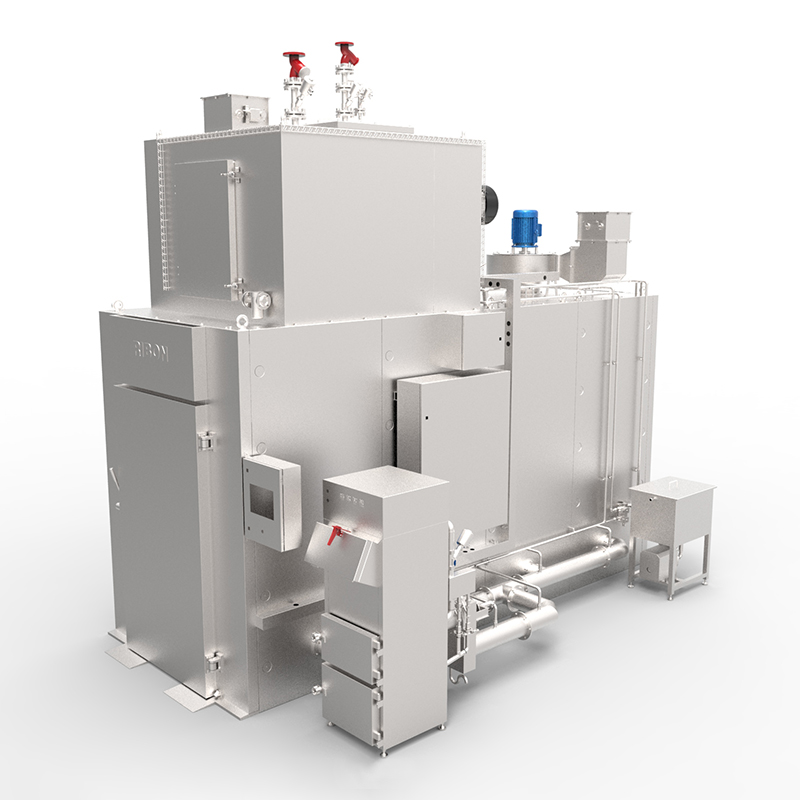
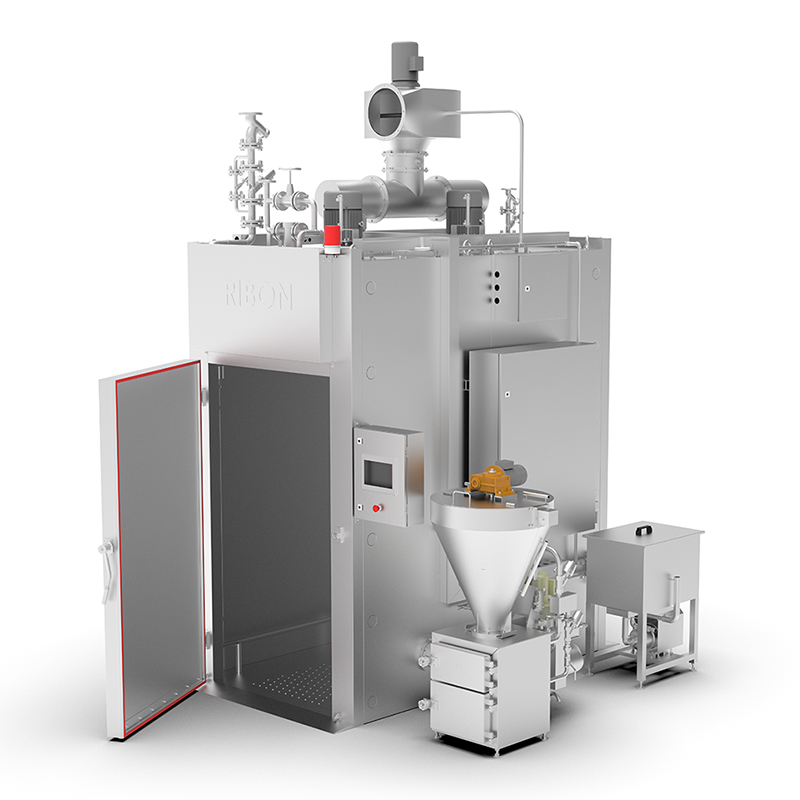
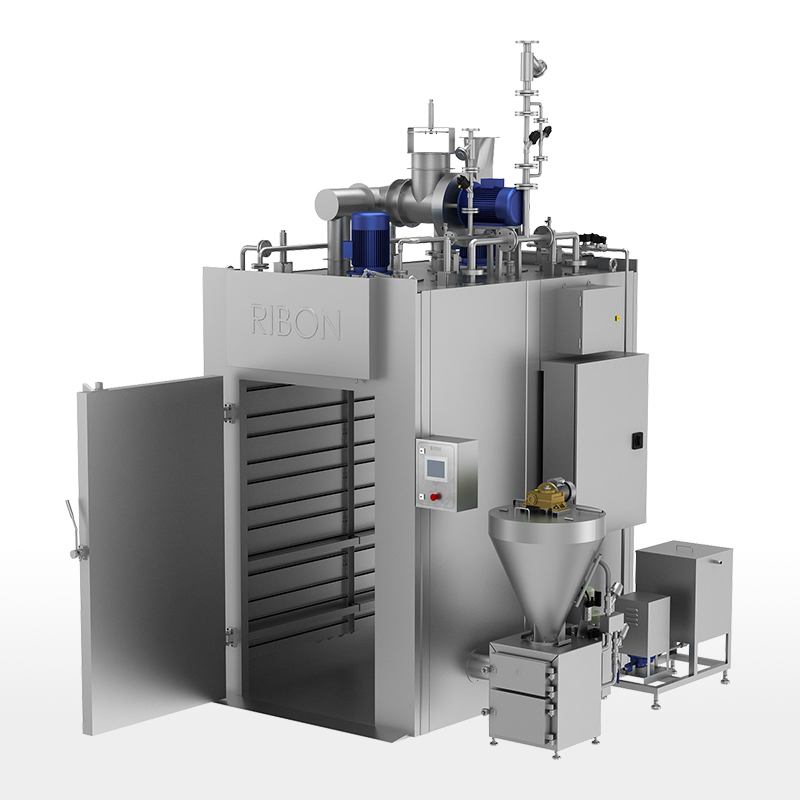
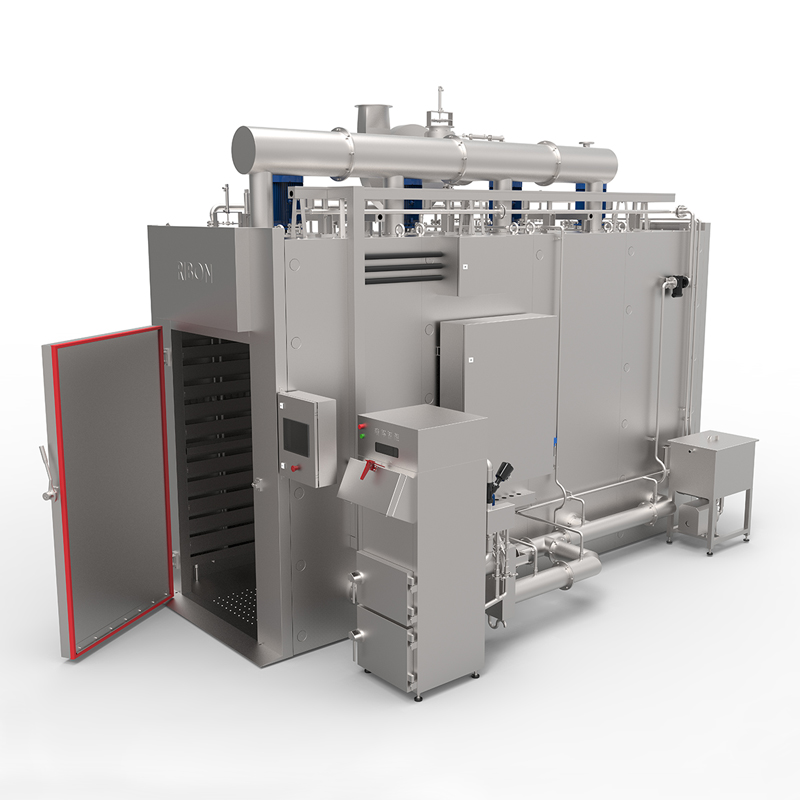
A meat processing smokehouse is a specialized chamber used to cook, cure, and flavor meat products through controlled heat and smoke. Unlike a backyard smoker, a commercial meat processing smokehouse is built to handle large batches consistently, with precise control over temperature, humidity, and smoke density. Butcher shops, sausage makers, jerky producers, and large meat plants all rely on this equipment to turn raw cuts into finished products like bacon, ham, smoked sausage, and dried snack sticks.
The reason a smokehouse matters so much is that it directly affects product quality, safety, and shelf life. A well-built smokehouse locks in flavor evenly across every piece of meat, reduces moisture in a controlled way, and helps destroy harmful bacteria through proper internal temperatures. A poorly designed or poorly maintained smokehouse, on the other hand, can lead to uneven cooking, inconsistent color, and even food safety violations. That is why choosing the right smokehouse is one of the most important equipment decisions a meat processing business will make.
Types of Meat Processing Smokehouses You Can Choose From
Not all smokehouses work the same way. Some rely on real wood smoke, others use electric heating elements with liquid smoke or wood chips, and some combine several heat sources for more flexibility. Below is a quick comparison to help you understand the main differences.
| Smokehouse Type | Heat Source | Best For |
| Traditional Wood-Fired Smokehouse | Burning hardwood logs or chunks | Small producers wanting authentic smoky flavor |
| Electric Smokehouse | Electric heating elements with wood chips | Consistent temperature control, easier automation |
| Gas-Fired Smokehouse | Natural gas or propane burners | Faster heat-up times and lower running costs |
| Combination Smokehouse | Mix of electric, gas, and natural smoke generators | Larger commercial operations needing flexibility |
Most large-scale meat processing plants today use electric or gas smokehouses with automated smoke generators because they offer repeatable results, which is critical when you are producing thousands of pounds of product per week.
Key Features to Look for When Buying a Smokehouse
If you are shopping for a meat processing smokehouse, it helps to know which features actually make a difference in daily operations. Here are the most important ones to check before making a purchase.
- Programmable temperature and humidity controls that let you set multi-stage cooking cycles
- Even air circulation design so every rack of meat cooks at the same rate
- Stainless steel interior for easier cleaning and better corrosion resistance
- Built-in probe thermometers to monitor internal meat temperature, not just chamber temperature
- Adjustable smoke density settings for different products, from mild smoked turkey to heavily smoked sausage
- Chamber size that matches your production volume, with room to grow as your business expands
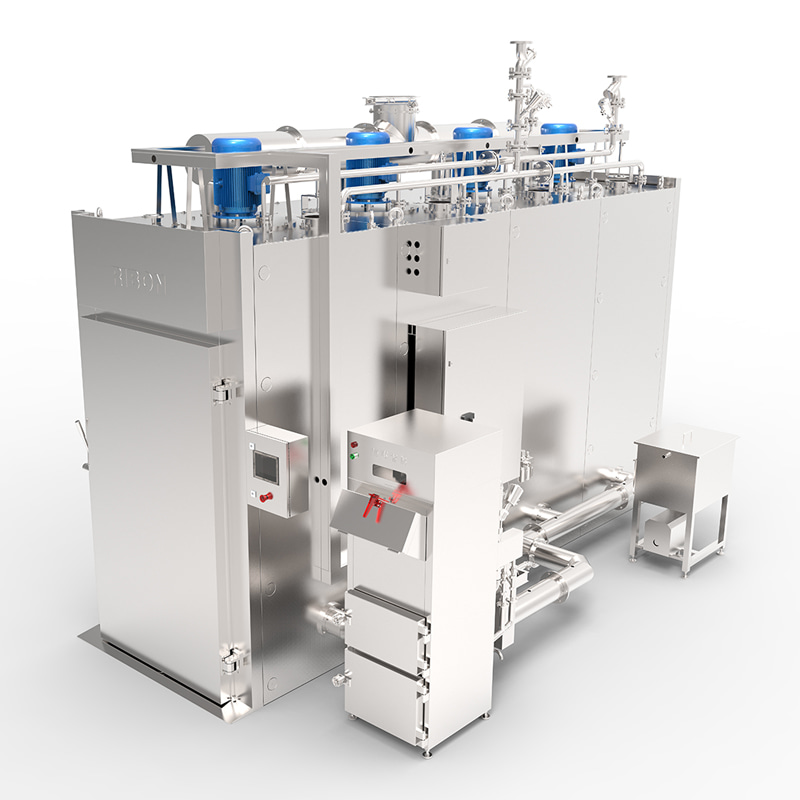
Smaller shops may only need a chamber that holds a few hundred pounds of product, while a mid-size processor might need a walk-in style smokehouse capable of handling 2,000 pounds or more in a single cycle. Buying based on realistic production needs, rather than the biggest unit available, keeps energy costs and maintenance manageable.
How the Smoking Process Works Inside a Smokehouse
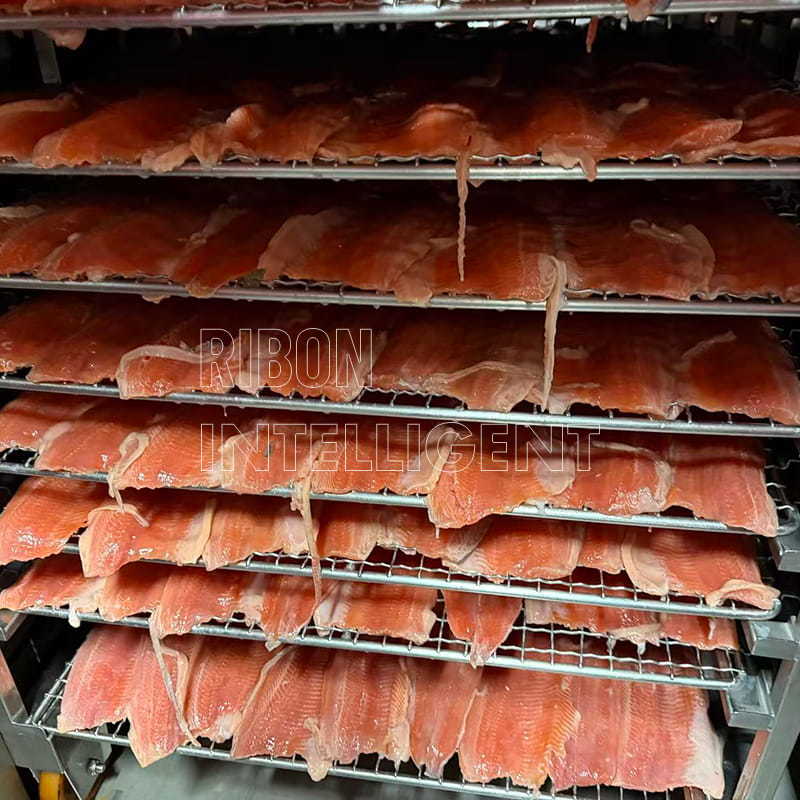
Understanding the actual process happening inside a meat processing smokehouse helps operators troubleshoot problems and produce a better final product. Most smoking cycles move through several stages: drying, smoking, cooking, and sometimes a final chill-down phase.
Cold Smoking Versus Hot Smoking
Cold smoking takes place at low temperatures, typically between 68°F and 86°F, and is used mainly for flavoring products that will be cooked later, such as bacon before frying. It does not fully cook the meat, so it must be paired with proper curing and refrigeration to remain safe. Hot smoking, on the other hand, runs the chamber at higher temperatures, often between 165°F and 250°F, and is used to both flavor and fully cook the meat in one continuous process. Sausages, smoked chicken, and ribs are commonly finished using hot smoking because the product is ready to eat once the cycle ends.
Why the Drying Stage Cannot Be Skipped
Before smoke is even introduced, most smokehouse cycles include a drying stage where warm, dry air removes surface moisture from the meat. This step is important because smoke adheres better to a dry surface, and it also helps develop the reddish color associated with smoked products. Skipping or shortening this stage often leads to a pale, blotchy appearance and uneven smoke flavor.
Food Safety and Sanitation Rules for Smokehouse Operations
Because a meat processing smokehouse handles raw meat that will often be eaten with little or no further cooking, food safety cannot be an afterthought. Regulatory agencies typically require processors to document and verify the internal temperature and time each batch spends in the smokehouse, since this combination is what determines whether harmful bacteria are actually destroyed.
- Always use calibrated internal-temperature probes, not just chamber air temperature, to confirm the meat has reached a safe endpoint
- Keep detailed cook logs showing time, temperature, and product type for every batch
- Clean racks, walls, and drip trays after every production cycle to prevent bacterial buildup
- Separate raw and ready-to-eat products to avoid cross-contamination inside shared smokehouse space
- Cool finished products quickly after smoking to move them out of the temperature danger zone
Many processors also schedule regular third-party equipment inspections to confirm that temperature sensors and controllers are reading accurately, since even a small calibration error can create a real food safety risk over hundreds of production cycles.
Maintenance Tips to Extend the Life of Your Smokehouse
A smokehouse is a major investment, and regular maintenance keeps it running efficiently for years instead of breaking down early. Smoke residue, grease, and moisture are constantly working against the equipment, so a consistent maintenance routine matters more here than with most other kitchen or plant equipment.
- Clean smoke generators and burn chambers weekly to prevent creosote buildup, which can eventually become a fire hazard
- Inspect door seals and gaskets monthly, since a leaking door forces the unit to work harder and wastes energy
- Check and recalibrate temperature and humidity sensors on a regular schedule
- Lubricate fan motors and moving parts according to the manufacturer's recommended intervals
- Deep clean interior walls and flooring at least once a month to remove grease film that can harbor bacteria
Businesses that follow a strict maintenance calendar tend to get significantly more service life out of their equipment and experience far fewer unexpected breakdowns during peak production periods, such as holiday sausage or ham runs.
Common Mistakes to Avoid When Using a Meat Processing Smokehouse
Even experienced operators can run into avoidable problems that hurt product quality or waste raw materials. Overloading the smokehouse is one of the most frequent mistakes, since packing racks too tightly blocks proper air and smoke circulation, leading to unevenly cooked batches. Another common issue is rushing the drying stage to save time, which usually results in poor color and weak smoke penetration.
Using the wrong wood or wood chip moisture level is another frequent problem. Wood that is too wet produces thick, bitter smoke instead of a clean, balanced flavor, while wood that is too dry can burn too fast and create sharp, harsh notes in the finished product. Finally, neglecting to track batch-to-batch consistency, such as recording exact cycle times and chamber settings, makes it difficult to reproduce a customer's favorite product reliably, which can hurt repeat business over time.
By choosing the right type of smokehouse, understanding the smoking process, following food safety practices, and sticking to a solid maintenance routine, meat processors can consistently produce safe, flavorful products that keep customers coming back.