

 English
 русский
 Español
 عربى
عربى
Content
What Exactly Is a Vacuum Meat Massager?
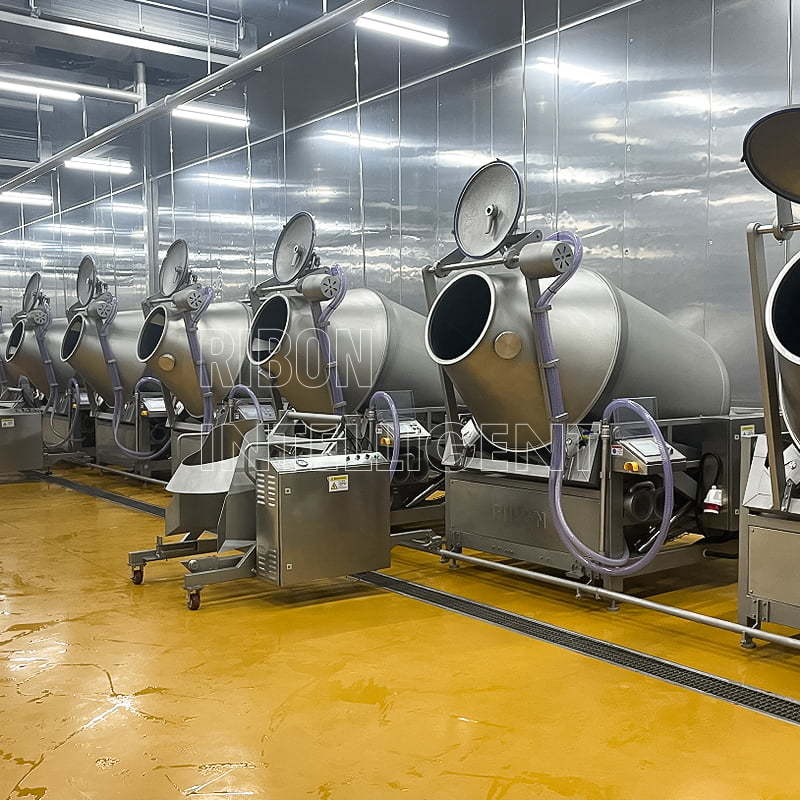
A vacuum meat massager is a piece of equipment that tumbles meat inside a sealed, air-removed drum while it soaks in marinade, brine, or seasoning. Instead of rubbing spices on by hand or letting a bag sit in the fridge overnight and hoping for the best, the machine physically tosses and massages the meat while pulling out the air around it. That combination — motion plus vacuum — forces the marinade deep into the muscle fibers instead of just coating the surface. People who make sausages, jerky, bacon, deli meats, or even just want juicier chicken breasts for meal prep tend to reach for this tool once they get tired of inconsistent, surface-level flavor.
Why the Vacuum Part Actually Matters
Meat is full of tiny air pockets and connective tissue that normally block liquid from soaking in evenly. When you pull a vacuum around the meat, you're removing that trapped air, which opens up space for marinade to move into the muscle instead of just sitting on top of it. The physical tumbling then acts almost like a massage therapist working out knots — it breaks down some of the connective tissue and encourages the meat fibers to relax and absorb liquid faster. Without the vacuum, tumbling alone still helps, but it takes far longer and the results are less even, especially in the center of thicker cuts.
The Two Things Happening at Once
- Vacuum removes air pressure so liquid can be pulled into the tissue instead of staying on the surface
- Tumbling motion physically breaks down protein structure, which tenderizes and speeds up absorption
What Changes in the Final Product
The most obvious difference shows up in flavor consistency. A drumstick or brisket that's been through a vacuum massager tastes seasoned all the way through, not just on the outer half-inch. Texture changes too — the tumbling action extracts a bit of myosin protein from the muscle fibers, which acts like a natural binder. That's part of why deli-style hams and sausages made this way hold together better and have that springy, dense bite instead of falling apart. Moisture retention is another big one; meat processed this way tends to lose less liquid during cooking, so it stays juicier even after reheating, which matters a lot for anyone doing meal prep or commercial food service.
Home Use vs Small Business Use
Not every vacuum meat massager is built for the same job. Home cooks usually want something compact that fits on a countertop and can handle a few pounds of chicken or pork at a time for weekly meal prep. Small butcher shops, food trucks, or home-based sausage makers usually need a bigger drum, a stronger motor that can run longer cycles without overheating, and a stainless steel interior that's easier to sanitize between batches. Buying too small a unit for commercial-level use just means running it constantly and wearing out the motor faster, while buying an oversized industrial unit for home use is mostly wasted money and counter space.
Quick Comparison by Use Case
| Use Case | Typical Capacity | Cycle Length |
| Home / Meal Prep | 2–8 lbs | 15–30 minutes |
| Small Business / Butcher | 10–50 lbs | 30–90 minutes |
| Commercial Production | 50+ lbs | Multiple hours, repeat cycles |
How to Actually Use One Without Ruining Your Meat
Getting good results isn't complicated, but a few mistakes show up constantly with first-time users. Overfilling the drum is the biggest one — the meat needs room to tumble and fall, not just sit there packed in like a suitcase. Marinade ratio matters too; too little liquid means the vacuum has nothing to pull into the meat, while too much just sloshes around without doing much extra. Cycle time depends heavily on the cut. A thin chicken breast doesn't need the same treatment as a whole pork shoulder.
Basic Steps for a Clean Result
- Cut meat into even pieces so it tumbles and absorbs consistently
- Fill the drum to roughly 60–70% capacity, never all the way
- Add marinade or brine so every piece gets coated, not just the top layer
- Run shorter cycles for tender cuts and longer cycles for tougher, denser cuts
- Keep the machine and meat cold throughout, ideally under 40°F, to stay food-safe
What to Look for Before Buying One
Not all vacuum meat massagers are built the same, and the cheapest option often cuts corners in ways that show up later. The drum material matters a lot — stainless steel resists corrosion from salt-based brines and is far easier to clean than plastic, which can absorb odors and stain over time. The vacuum pump strength determines how effectively air gets removed; weaker pumps leave partial vacuum, which means less marinade penetration. It's also worth checking the seal and gasket quality, since a bad seal will leak marinade and lose vacuum mid-cycle, defeating the whole purpose of the machine.
Features Worth Prioritizing
- Stainless steel drum for durability and easy sanitation
- Adjustable timer and vacuum strength settings for different meat types
- A tight, replaceable gasket seal that holds vacuum through the full cycle
- A motor rated for continuous or heavy-duty use if buying for business purposes
Common Questions People Run Into
A lot of first-time buyers assume a vacuum meat massager works the same as a basic rotating meat tumbler, but the vacuum component is what actually separates the two in terms of results. Some also wonder if it's safe to reuse marinade that's been through a cycle — generally it shouldn't be reused raw on other food afterward, since it's been in contact with raw meat under vacuum, which speeds up bacterial transfer if not handled properly. Cleaning is another common concern; most stainless drums can be rinsed and wiped down easily, but any rubber seals or gaskets should be checked regularly for cracking, since that's usually the first part to wear out and cause leaks.