

 English
 русский
 Español
 عربى
عربى
Content
What Are Vacuum Tumblers?
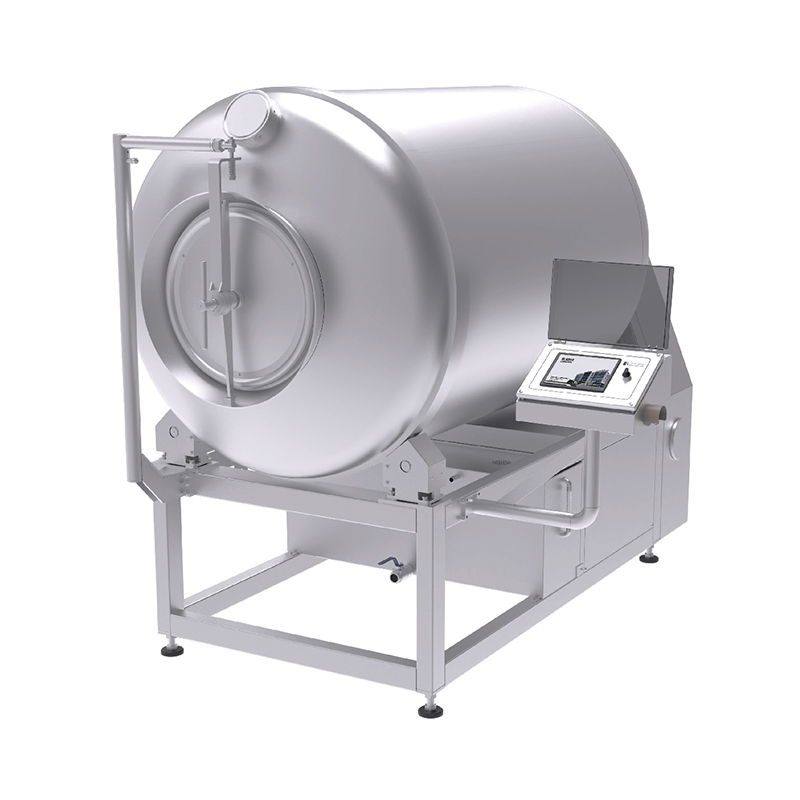
Vacuum Tumblers are essential machines used in modern meat processing plants. They combine vacuum technology with controlled tumbling to improve the texture, flavor, and yield of meat products. During operation, meat is placed inside a rotating drum where vacuum pressure opens the muscle fibers, allowing marinades, seasonings, and curing solutions to penetrate more deeply than traditional soaking methods.
Vacuum tumbling is widely used for processing beef, pork, chicken, duck, turkey, seafood, and prepared meat products. The process not only enhances product quality but also shortens marinating time and increases production consistency, making Vacuum Tumblers a valuable investment for both small food factories and large industrial processors.
How Vacuum Tumblers Work
The working principle is straightforward but highly effective. After the meat and marinade are loaded into the drum, a vacuum pump removes the air inside the chamber. As the drum slowly rotates, the meat repeatedly lifts and falls, creating gentle mechanical action that massages the muscle tissue.
This combination of vacuum pressure and tumbling helps proteins dissolve and distribute evenly throughout the meat. The result is improved water retention, better seasoning absorption, enhanced tenderness, and a more uniform final product.
Basic Processing Steps
- Load fresh or frozen meat into the drum.
- Add marinade, curing solution, or seasoning.
- Create the required vacuum level.
- Rotate the drum according to the preset program.
- Release the vacuum and unload the processed meat.
Benefits of Using Vacuum Tumblers
Improved Marinade Absorption
Vacuum conditions allow marinades to penetrate deeper into the muscle structure, creating richer flavor and more even seasoning throughout every piece of meat.
Better Tenderness
Gentle tumbling massages the meat and promotes protein extraction without damaging its structure. This produces a softer texture that consumers appreciate.
Higher Product Yield
Improved protein activation increases water-binding capacity, reducing moisture loss during cooking and helping manufacturers achieve higher finished product yields.
Consistent Product Quality
Programmable operating parameters ensure every production batch receives the same treatment, resulting in stable product quality and fewer processing variations.
Reduced Processing Time
Compared with traditional marinating methods that may require many hours, Vacuum Tumblers can significantly shorten processing time while maintaining excellent flavor distribution.
Common Applications
Vacuum Tumblers are suitable for a wide range of meat and seafood products. Their flexibility makes them popular in industrial food production facilities around the world.
- Fresh marinated chicken products
- Bacon and cured pork
- Roast beef and steak products
- Ham production
- Prepared frozen meals
- Seafood marinating and seasoning
- Ready-to-cook meat products
Important Features to Consider
Selecting the right Vacuum Tumbler depends on your production requirements. Different models offer varying levels of automation, capacity, and control functions.
| Feature | Why It Matters |
| Drum Capacity | Matches daily production volume. |
| Vacuum System | Provides stable vacuum for consistent processing. |
| PLC Control | Stores recipes and automates production. |
| Variable Speed | Optimizes tumbling for different products. |
| Cooling Jacket | Maintains product temperature during long processing cycles. |
| Stainless Steel Construction | Ensures hygiene, durability, and easy cleaning. |
Maintenance Tips for Long-Term Performance
Regular maintenance helps Vacuum Tumblers operate efficiently while extending equipment lifespan. Proper cleaning also supports food safety and regulatory compliance.
- Clean the drum thoroughly after every production cycle.
- Inspect vacuum seals for wear and replace them when necessary.
- Check the vacuum pump and lubricate moving parts according to the maintenance schedule.
- Calibrate sensors and control systems regularly.
- Use food-grade cleaning agents to prevent contamination.
How to Choose the Right Vacuum Tumbler
Before purchasing a Vacuum Tumbler, evaluate your daily output, available factory space, product types, and automation requirements. Small processors may benefit from compact batch machines, while high-volume manufacturers often require large-capacity industrial systems with automatic loading, programmable recipes, and integrated production lines.
It is also important to consider after-sales support, spare parts availability, machine certifications, and the supplier's experience in meat processing equipment. Choosing equipment that can grow with your production needs helps maximize long-term return on investment.
Conclusion
Vacuum Tumblers have become indispensable equipment in modern meat processing because they improve flavor absorption, tenderness, product yield, and production efficiency. By using vacuum technology and controlled tumbling, manufacturers can produce consistent, high-quality meat products while reducing processing time and labor costs. Whether you operate a small food processing facility or a large industrial production line, selecting the right Vacuum Tumbler can significantly improve product quality and overall operational performance.