

 English
 русский
 Español
 عربى
عربى
Content
- 1 What Smoking House Equipment Actually Covers
- 2 The Core Components of a Commercial Smokehouse System
- 3 Batch vs. Continuous Smoking Systems: Which One Fits Your Operation
- 4 Key Technical Specifications to Compare When Buying
- 5 Wood Type and Smoke Quality: What the Equipment Needs to Support
- 6 Cold Smoking vs. Hot Smoking Equipment Requirements
- 7 Hygiene Design Standards and What to Verify Before Purchase
- 8 Questions to Ask Suppliers Before Signing a Purchase Order
What Smoking House Equipment Actually Covers
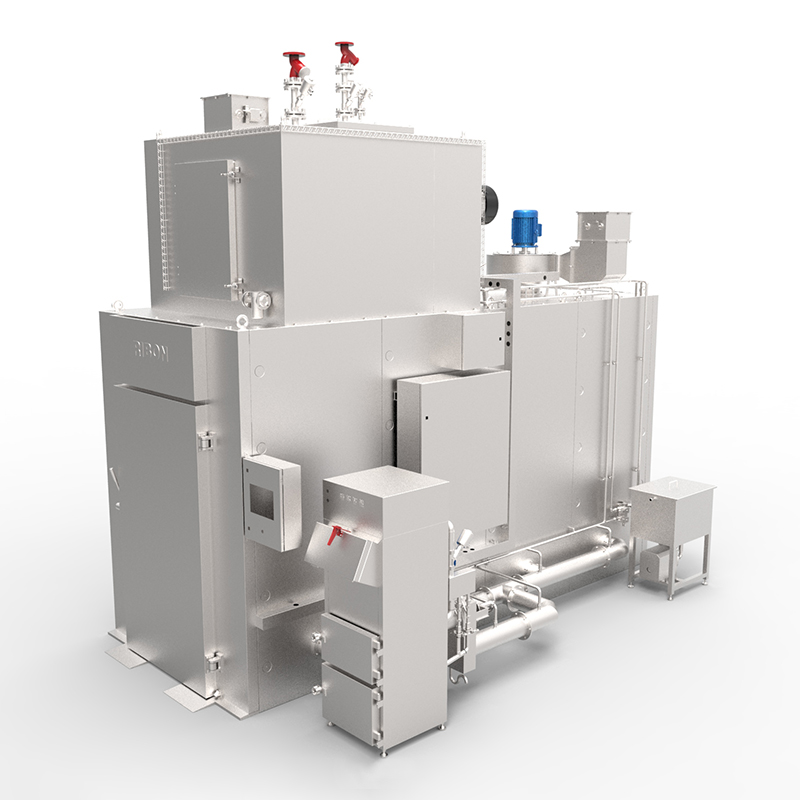
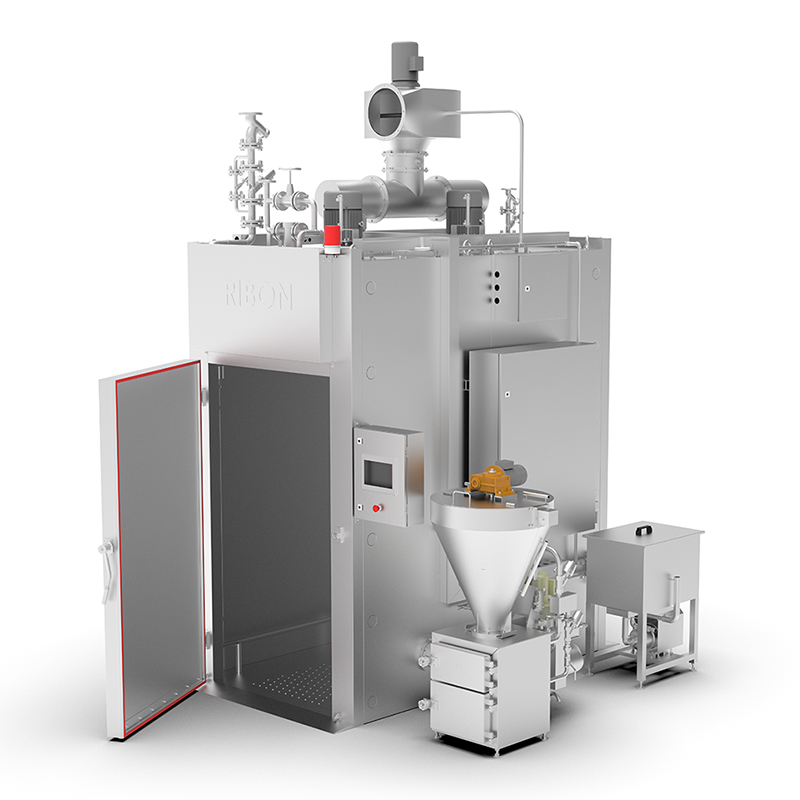
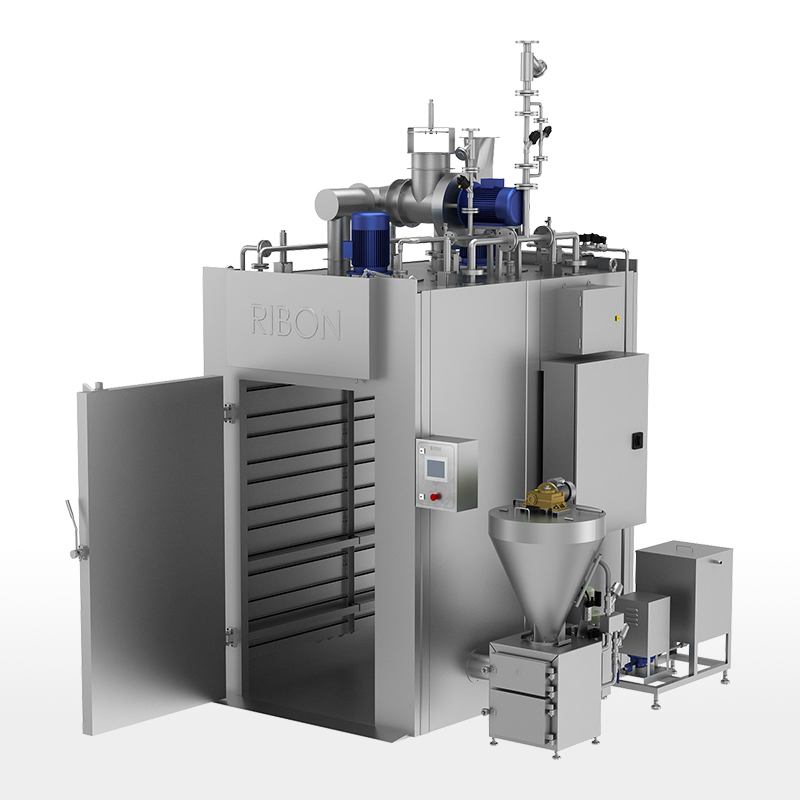
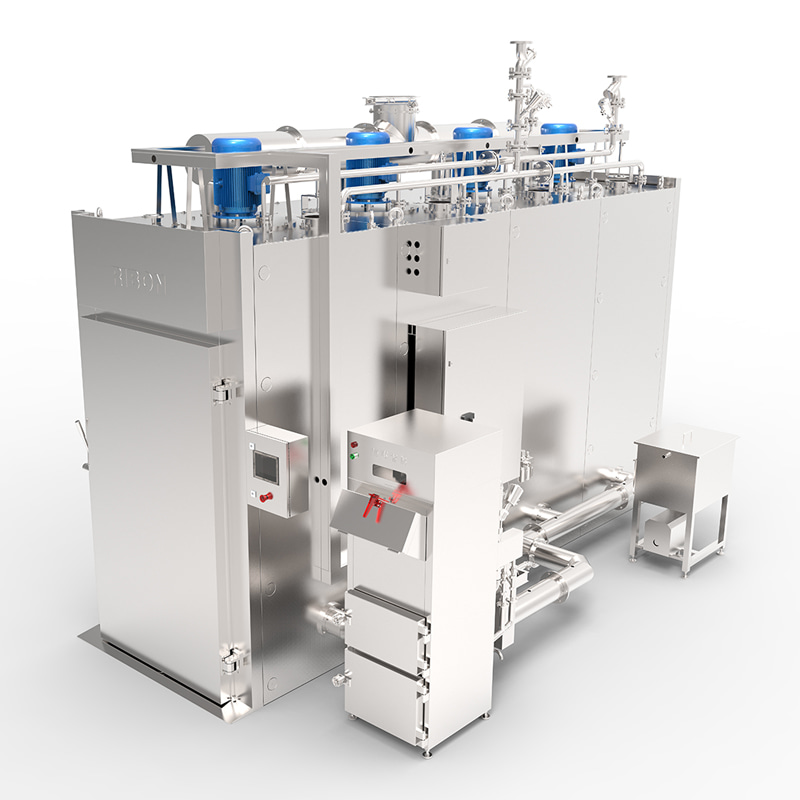
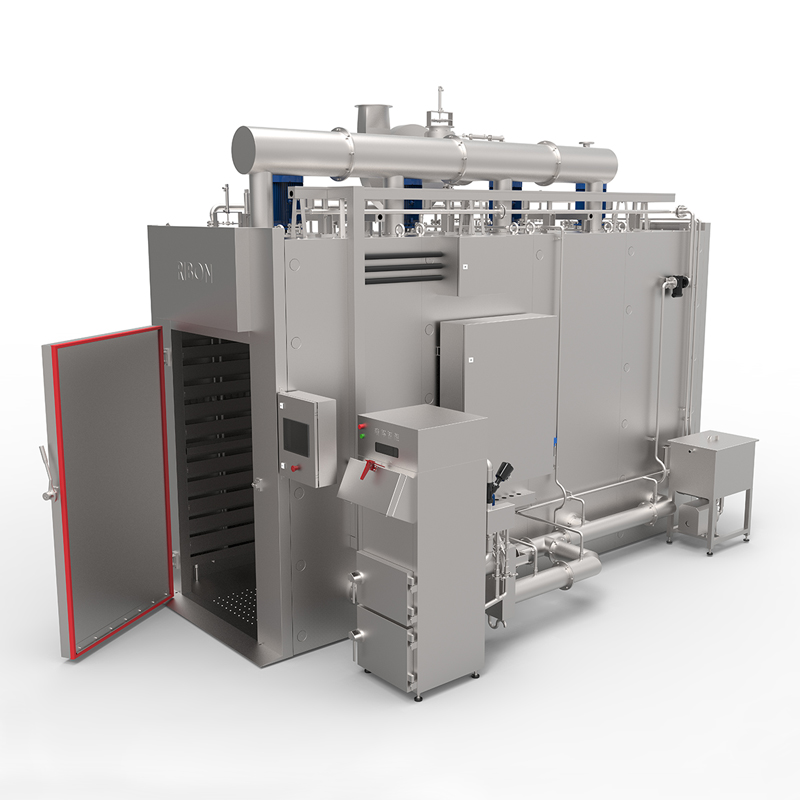
The term smoking house equipment refers to the full range of industrial and commercial machinery used to apply smoke, heat, humidity, and airflow to food products in a controlled environment. This includes the smoking chamber itself, smoke generation systems, air circulation and distribution components, temperature and humidity control units, hanging or loading systems for product, and the automation and monitoring systems that tie everything together. In professional food processing, these components rarely come as isolated pieces — they are specified and installed as integrated systems designed to deliver consistent, repeatable results across every production batch.
The scope of smoking house equipment spans a wide range of scales. At the smaller end, compact batch smokehouses serve artisan producers, delicatessens, and small processing plants that run limited volumes of specialty products. At the industrial scale, continuous smoking tunnels and large multi-trolley smoking chambers operate as part of fully automated production lines processing several tonnes of product per shift. Understanding where your operation sits on this spectrum — and where you expect it to be in five years — is the first step in specifying the right equipment.
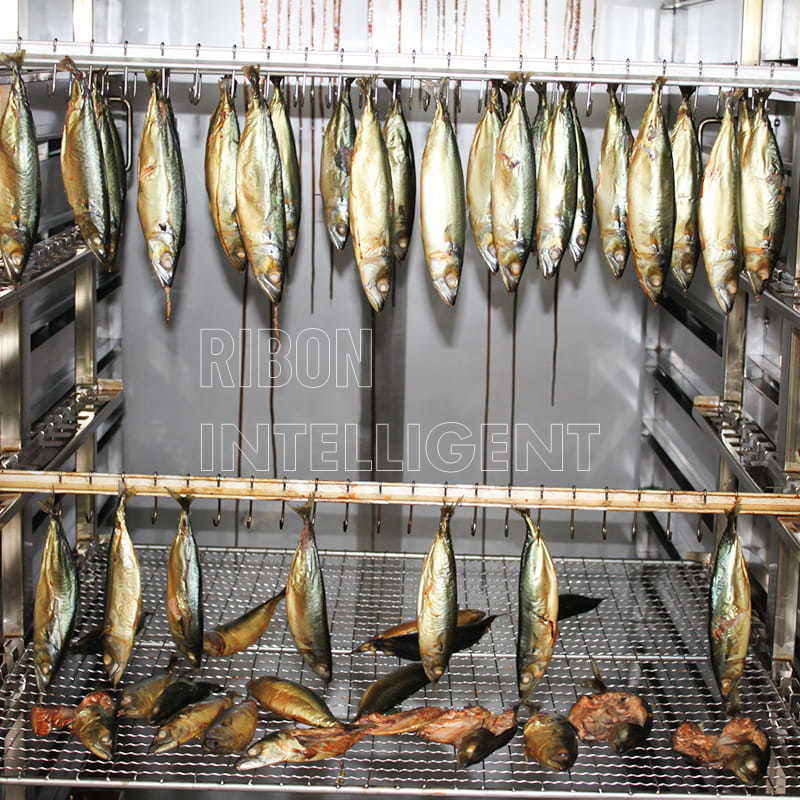
Smoking house equipment is used across a broad range of food categories: whole and portioned meat products, sausages and emulsified products, poultry, fish and seafood, cheese, and certain processed vegetables. Each product category has its own requirements in terms of temperature range, smoke density, humidity control, and cycle duration, which means a smoking system optimized for cold-smoked salmon will differ considerably from one built for hot-smoked sausages or cooked hams.
The Core Components of a Commercial Smokehouse System
Every industrial smoking house, regardless of size or manufacturer, is built around the same fundamental components. Understanding what each does and how they interact gives buyers a clear framework for evaluating competing systems.
The Smoking Chamber
The chamber is the central enclosure where food products are exposed to smoke and heat. Industrial chambers are constructed from food-grade stainless steel — typically AISI 304 or AISI 316 for higher-corrosion environments — with insulated double-wall panels that maintain internal temperature stability while keeping the external surface safe to touch. Chamber sizes are defined by the number of standard smoke trolleys they accommodate, ranging from single-trolley units for small producers up to systems accepting eight or more trolleys simultaneously. Internal surfaces must be smooth, crevice-free, and fully drainable to support the rigorous cleaning-in-place (CIP) or manual wash-down protocols required under food safety regulations.
Smoke Generation Systems
Smoke is generated externally and fed into the chamber rather than being produced inside it. The two dominant technologies in commercial smoking house equipment are friction smoke generators and smoldering smoke generators. Friction generators press hardwood logs or blocks against a rotating disc, producing smoke through controlled surface friction without open combustion — this gives precise control over smoke density and temperature and is widely preferred in automated systems. Smoldering generators burn wood chips or sawdust on a heated plate or grate, producing a broader range of smoke compounds and a flavor profile many producers consider closer to traditional smoking. Liquid smoke injection systems represent a third approach, bypassing combustion entirely and injecting atomized smoke condensate directly into the chamber — a method favored in high-volume continuous processing where flavor consistency and throughput outweigh the importance of traditional smoke characteristics.
Airflow and Circulation Equipment
Controlled air circulation is what separates industrial smoking house equipment from backyard smokers. Heavy-duty fans — typically centrifugal or axial types mounted in the chamber ceiling or rear wall — drive air through internal baffles and distribution channels to ensure uniform temperature and smoke exposure across every product hanging in the chamber. The airflow pattern is engineered specifically for each chamber geometry, and manufacturers invest significant effort in computational fluid dynamics modeling to eliminate cold spots, hot spots, and uneven smoke penetration. Reversing airflow direction mid-cycle is a common technique in larger chambers to compensate for any asymmetry in air distribution.
Heating and Cooling Systems
Smoking processes require precise temperature management across multiple phases — drying, smoking, cooking, and in some cases shower cooling before unloading. Heating is typically delivered via steam coils, electric resistance elements, or gas burners, with steam the most common choice in large facilities because it integrates easily with existing plant steam infrastructure and provides fine control over both temperature and humidity. Shower cooling systems — which spray chilled water directly onto product at the end of the cycle — are standard on equipment used for cooked sausages and emulsified products, rapidly dropping core temperature to safe levels before the chamber is opened.
Control and Automation Systems
Modern commercial smokehouse equipment is controlled by programmable logic controllers (PLCs) with touchscreen human-machine interfaces (HMIs). Operators program multi-step process recipes that define temperature, humidity, smoke density, airflow speed, and duration for each phase of the smoking cycle. Once a recipe is set, the system executes it automatically and logs all process parameters for traceability documentation. Higher-end systems support remote monitoring, integration with plant-level SCADA or MES systems, and automatic alarm escalation if process parameters drift outside specified limits.
Batch vs. Continuous Smoking Systems: Which One Fits Your Operation
The choice between batch and continuous smoking house machines is one of the most fundamental decisions in equipment specification, and it has cascading implications for plant layout, labor requirements, throughput capacity, and product flexibility.
Batch Smoking Chambers
Batch systems process one or more trolley loads of product through a complete smoking cycle before the chamber is opened, unloaded, and reloaded. This approach offers maximum flexibility — different products with different recipes can be processed in sequence without equipment changeover, making batch smokehouses the standard choice for producers running wide product ranges or frequent short runs. Cleaning between batches is straightforward, and the enclosed nature of the chamber makes it easier to achieve consistent smoke penetration on irregular or mixed product loads. The primary limitation is throughput: the chamber is idle during loading and unloading, which accounts for a meaningful fraction of total cycle time in high-output operations.
Continuous Smoking Tunnels
Continuous systems move product through a series of climate-controlled zones — drying, smoking, cooking, cooling — on a conveyor or trolley transfer system without stopping. Product enters one end and exits the other in a finished state, enabling uninterrupted operation and very high throughput rates. These systems are economically justified for producers running a limited number of standardized products at high volumes, such as frankfurter or hot dog manufacturers where the same recipe runs for extended periods. The trade-off is reduced flexibility, higher capital cost, and more complex cleaning protocols given the elongated equipment footprint.
Key Technical Specifications to Compare When Buying
When evaluating smoking house equipment from different suppliers, the specification sheet comparisons that matter most are not always the ones that appear largest in marketing materials. The table below outlines the parameters that most directly affect day-to-day operating performance and total cost of ownership.
| Specification | What to Look For | Why It Matters |
| Temperature Range | Typically 20°C–180°C; confirm upper limit meets your cooking specs | Limits which products and processes the chamber can handle |
| Temperature Uniformity | ±1–2°C across the loaded chamber | Directly determines batch consistency and food safety compliance |
| Humidity Control Range | 10%–98% RH with accurate control at both extremes | Controls drying rate, surface color development, and weight loss |
| Smoke Generator Capacity | Matched to chamber volume; check wood consumption rate | Determines smoke density achievable and operating cost per batch |
| Installed Power / Energy Source | Electric, steam, gas — confirm compatibility with plant utilities | Major factor in installation cost and ongoing energy spend |
| Trolley Capacity | Number of standard trolleys (e.g. 1000×1000mm Euro trolley) | Determines batch size and must match your existing trolley fleet |
| CIP / Wash-down Compatibility | Fully drainable, no blind recesses, IP65 or higher on electrics | Determines cleaning time, chemical use, and hygiene audit outcomes |
| Data Logging and Traceability | Continuous logging of all process parameters per batch | Required for HACCP documentation and retailer audits |
Wood Type and Smoke Quality: What the Equipment Needs to Support
The flavor and color outcome of any smoking process is as much a function of the wood fuel as the equipment itself, and buyers should confirm that their chosen smoking house machine is compatible with the wood types and formats their recipes call for.
Wood Formats and Generator Compatibility
- Wood chips: The most widely used format in commercial smokehouses. Available in a range of particle sizes and species. Most smoldering generators are designed primarily for chips, and chip moisture content (ideally 15–20%) significantly affects smoke quality.
- Wood dust/sawdust: Finer than chips and used in some smoldering generators for slower, denser smoke production. More common in cold-smoking applications and requires a generator specifically designed for fine fuel.
- Wood blocks and logs: Used in friction generators. The log is pressed against a spinning disc, and the contact zone produces smoke without the wood igniting. This method gives excellent control over smoke generation rate and produces consistent smoke chemistry.
- Wood species: Beech is the most commonly specified wood in European commercial smoking for its neutral, balanced flavor. Oak produces stronger, more assertive smoke. Alder is traditional for fish. Apple, cherry, and hickory are used in specialty and artisan applications. Confirm your generator is rated for the species and moisture range you intend to use.
Polycyclic Aromatic Hydrocarbon (PAH) Management
Regulatory limits on benzo[a]pyrene and total PAH4 content in smoked foods are enforced in the EU under Commission Regulation (EC) No 1881/2006 and subsequent amendments. Modern industrial smoking house equipment addresses PAH formation through smoke filtration systems — typically electrostatic precipitators or condensate separators — that remove heavy tar fractions and higher-molecular-weight PAH compounds from the smoke stream before it enters the chamber. When specifying equipment for markets with strict PAH limits, buyers should request test data from the manufacturer showing PAH levels achieved on representative products using the filtration system supplied.
Cold Smoking vs. Hot Smoking Equipment Requirements
Cold smoking and hot smoking place fundamentally different demands on smoking house equipment, and systems optimized for one process are not always suitable for the other without modification.
Cold Smoking (Below 30°C)
Cold smoking is used for products like cold-smoked salmon, certain sausages, and some cheeses where the goal is smoke flavor and surface color without cooking the product. Equipment for cold smoking must be capable of maintaining chamber temperatures at or below 30°C — ideally lower — while the smoke generator operates. This requires either a chilled chamber or a smoke cooling system that lowers the temperature of the smoke between the generator and the chamber inlet. In warm climates or during summer production, active refrigeration of the smoking chamber may be necessary, which adds significantly to equipment cost and complexity. Cold smoking cycles are also considerably longer than hot smoking cycles, running from several hours to multiple days for products like traditional smoked salmon, which affects production scheduling and chamber utilization calculations.
Hot Smoking and Combined Cook-Smoke Processes
Hot smoking processes run at temperatures sufficient to cook the product — typically 70°C to 85°C at the core for most meat and poultry products. The smoking chamber in these applications doubles as a cooking oven, and the equipment must reliably deliver and hold cooking temperatures while simultaneously managing smoke density and humidity. Many commercial hot smoking cycles follow a multi-phase program: surface drying at moderate temperature and low humidity, followed by smoke application, followed by a final cook-out phase at elevated temperature, and then shower cooling. The control system's ability to transition smoothly between these phases and maintain accurate conditions throughout is the primary performance variable that separates capable equipment from equipment that merely meets minimum specifications on paper.
Hygiene Design Standards and What to Verify Before Purchase
Food smoking equipment operates in a demanding hygienic environment where creosote, tar, smoke condensate, fat, and protein residues accumulate rapidly. Equipment that is not designed for effective cleaning will become a food safety liability regardless of how well it performs during the smoking process itself. The following checklist covers the hygiene design features that should be verified — ideally during a factory visit or through detailed engineering drawings — before committing to a purchase.
- All internal surfaces in food-grade stainless steel with a minimum surface finish of Ra 0.8 µm in product zones. Rough welds, pitting, or painted surfaces are disqualifying in modern food processing environments.
- Full drainability with no low points where water, condensate, or cleaning chemicals can pool. The chamber floor should slope to a central or perimeter drain with sufficient capacity to handle wash-down flow rates.
- No open-frame construction in areas exposed to smoke or product drip. Hollow sections must be sealed or clearly specified as non-hollow to prevent internal contamination that cannot be cleaned.
- IP65 minimum ingress protection on all motors, sensors, and electrical components inside or adjacent to the chamber to withstand high-pressure wash-down without moisture ingress.
- Accessible fan and baffle systems that can be removed or swung open for inspection and cleaning without special tools. Fans accumulate tar and grease deposits that must be cleared regularly to maintain airflow performance.
- Smoke duct and generator cleaning access — the smoke delivery path is typically the most tar-contaminated part of the system and must be cleanable without disassembling the chamber itself.
Questions to Ask Suppliers Before Signing a Purchase Order
Buying industrial smoking house equipment is a capital investment that will define your processing capability for a decade or more. The following questions are not always volunteered by suppliers but should be answered in writing before any order is placed.
- Can you provide reference customers running the same chamber model with the same product type I intend to process, and can I visit their facility?
- What temperature uniformity can you guarantee across a fully loaded chamber, and under what test conditions was that figure measured?
- What is the lead time from order to delivery, and what is your on-site installation and commissioning timeline?
- What training is included in the installation package, and is it provided in my operators' language?
- What is your spare parts availability commitment — are critical components stocked locally or shipped internationally, and what are the lead times for non-stock items?
- Does the control system support remote diagnostics, and if so, what data is transmitted and to whom?
- What is the warranty period and scope, and what specifically is excluded from warranty coverage?