

 English
 русский
 Español
 عربى
عربى
Content
- 1 What Does a Pig Cutting and Deboning Solution Actually Involve?
- 2 Key Stages in a Pork Deboning Line
- 3 Manual vs. Automated Deboning: Which Makes Sense for Your Plant?
- 4 What to Look for in Pig Carcass Cutting Equipment
- 5 How a Good Deboning Solution Improves Meat Yield and Profitability
- 6 Common Mistakes When Upgrading a Pork Processing Line
- 7 Choosing the Right Supplier for Your Deboning Equipment
What Does a Pig Cutting and Deboning Solution Actually Involve?
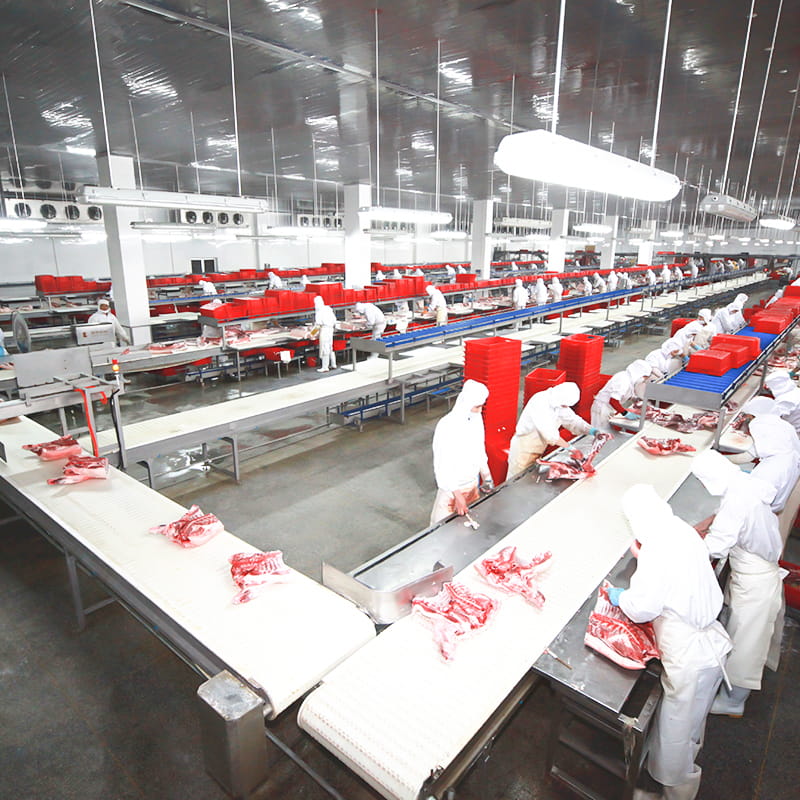
A pig cutting and deboning solution refers to the full set of equipment, workflow, and processes used to break down a pig carcass into primal cuts, sub-primals, and boneless meat products. Rather than a single machine, it's typically a coordinated line involving splitting saws, cutting tables, conveyor systems, and deboning stations, all designed to move the carcass efficiently from whole animal to finished cuts ready for packaging.
The goal of any well-designed solution is to maximize meat yield, maintain consistent cut quality, and reduce the physical strain and processing time typically associated with manual deboning. As pork demand grows and labor costs rise, more processing plants are looking closely at how to modernize this part of their operation without sacrificing product quality.
Key Stages in a Pork Deboning Line
Understanding the typical stages of a pig cutting and deboning solution helps clarify where automation or process improvements can have the biggest impact.
Carcass Splitting
The process begins with splitting the carcass into two halves along the spine, usually done with a band saw or automated splitting saw. Precision here matters, since an uneven split can create downstream problems for cutting accuracy and yield.
Primal Cutting
Each half is then divided into primal cuts such as the shoulder, loin, belly, and ham. This stage often uses a combination of manual knife work and guided cutting tables to ensure consistent portioning across every carcass.
Deboning
Deboning separates meat from bone, either manually by skilled workers or through automated deboning machines that use precise blade positioning to follow bone contours. This stage has the biggest impact on yield, since even small errors can leave usable meat attached to bones that get discarded.
Trimming and Grading
After deboning, meat is trimmed of excess fat and connective tissue, then graded based on quality standards before moving to packaging. This final quality check ensures consistency across batches, which matters a lot for buyers who expect uniform product specifications.
Manual vs. Automated Deboning: Which Makes Sense for Your Plant?
One of the biggest decisions processors face is whether to stick with manual deboning or invest in automated equipment. Both approaches have valid use cases depending on plant size, budget, and product requirements.
| Factor | Manual Deboning | Automated Deboning |
| Initial Investment | Lower | Higher |
| Labor Dependency | High | Low |
| Yield Consistency | Variable, skill-dependent | Highly consistent |
| Processing Speed | Slower | Faster, higher throughput |
| Best Suited For | Small-scale or specialty cuts | Mid-to-large volume operations |
Many processors end up choosing a hybrid pig cutting and deboning solution, using automation for high-volume standard cuts while keeping manual deboning for specialty or high-value products where precision knife work still outperforms machines.
What to Look for in Pig Carcass Cutting Equipment
Choosing the right equipment for your line isn't just about throughput numbers. Several practical factors should guide the decision.
- Ease of cleaning and compliance with food safety and hygiene standards
- Adjustability for different carcass sizes and cutting specifications
- Blade durability and ease of replacement or sharpening
- Integration compatibility with existing conveyor and packaging systems
- Availability of local technical support and spare parts
Skipping due diligence on these factors often leads to costly downtime later, especially if replacement parts or technical support aren't readily available in your region.
How a Good Deboning Solution Improves Meat Yield and Profitability
Yield improvement is often the strongest business case for upgrading a pig cutting and deboning solution. Even a small percentage increase in usable meat per carcass can translate into significant revenue gains at scale, since processors typically handle hundreds or thousands of carcasses per week.
Beyond yield, consistent cutting and deboning also reduces product rework, minimizes contamination risk from repeated handling, and shortens overall processing time. These efficiency gains add up over time, often paying back the initial equipment investment faster than processors expect.
Common Mistakes When Upgrading a Pork Processing Line
Processors upgrading their equipment sometimes run into avoidable issues that slow down implementation or reduce expected returns.
- Choosing equipment based on price alone without evaluating long-term maintenance costs
- Failing to train staff properly on new automated systems
- Underestimating space and layout requirements for new equipment
- Not accounting for compatibility with existing hygiene and inspection protocols
Planning ahead for these factors, rather than reacting to them after installation, tends to make the transition to a new processing solution much smoother.
Choosing the Right Supplier for Your Deboning Equipment
Since a pig cutting and deboning solution is a long-term investment, the supplier relationship matters as much as the equipment itself. Look for suppliers who offer installation support, staff training, and responsive after-sales service rather than just equipment sales.
It's also worth requesting references from other processing plants of similar scale, since equipment performance can vary depending on carcass size, production speed requirements, and local operating conditions. A supplier willing to share real case studies or arrange site visits is usually a stronger long-term partner than one relying purely on marketing claims.