

 English
 русский
 Español
 عربى
عربى
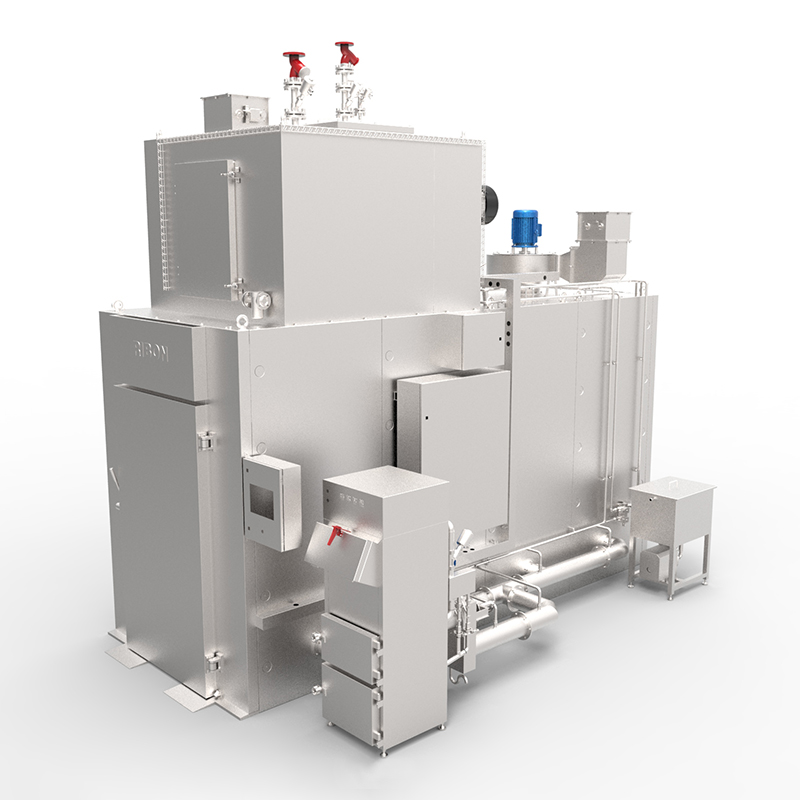
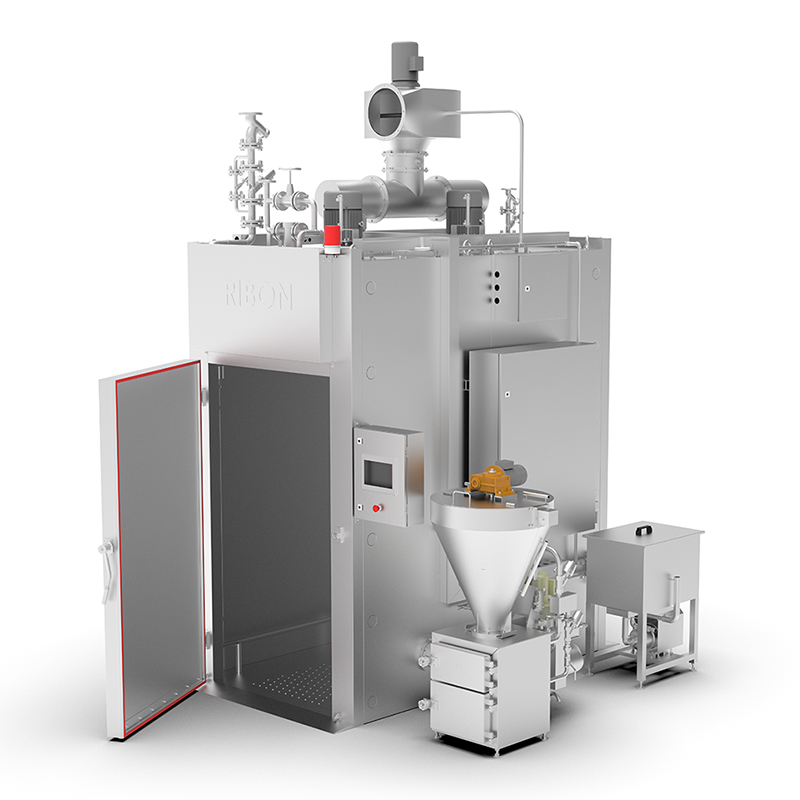
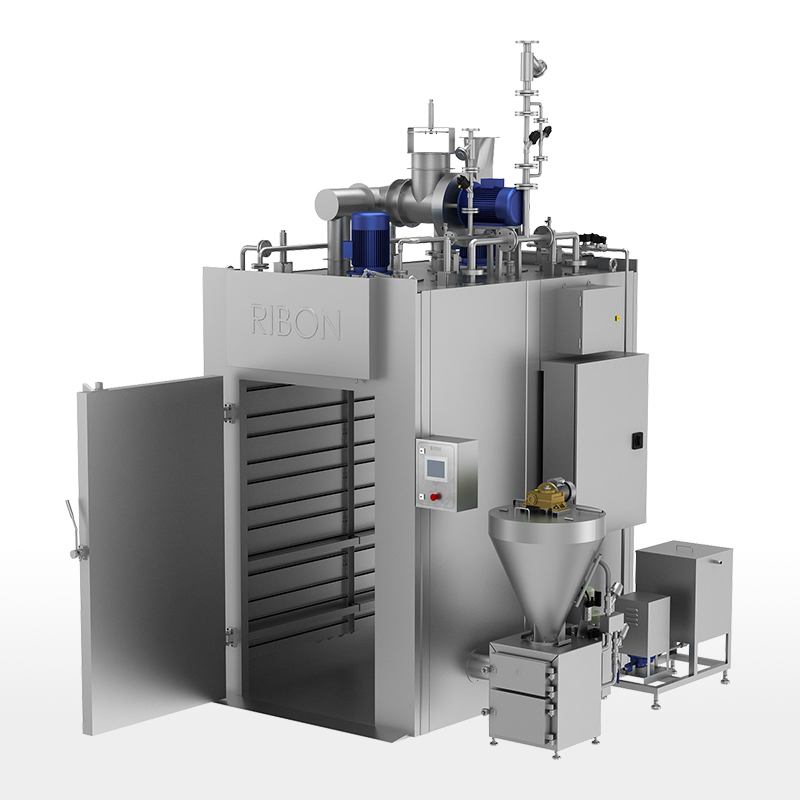
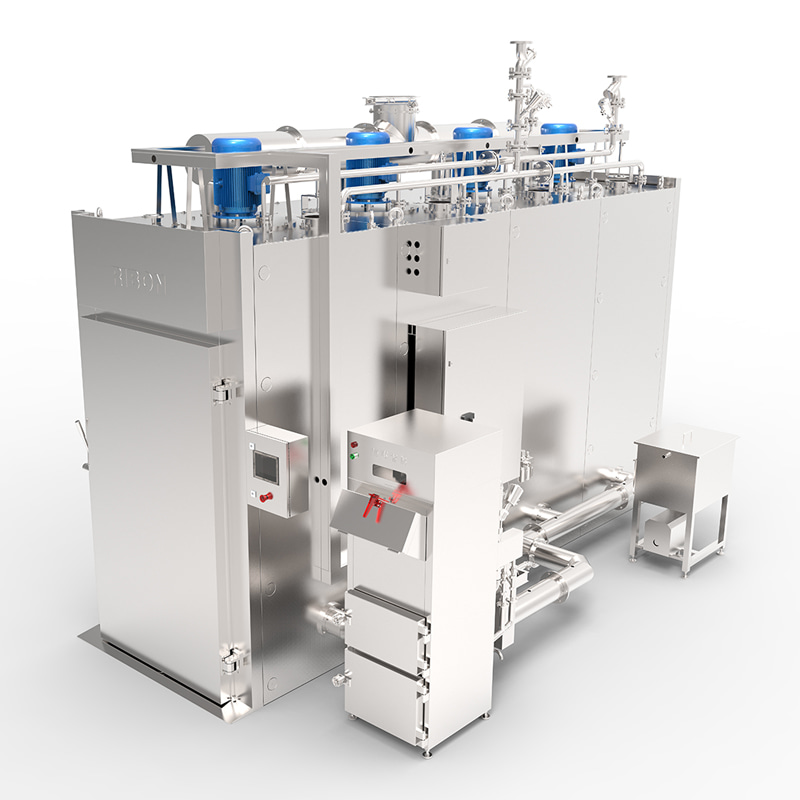
Constructing or upgrading a Smoking House Equipment requires more than just a passion for barbecue; it demands a rigorous understanding of the equipment that controls the thermodynamics of the cook. Whether you are curing sausages in a dedicated outbuilding or managing a high-capacity cabinet smoker, the equipment you choose serves as the bridge between raw meat and a perfectly preserved, flavorful product. This guide delves into the specific hardware and tools necessary to maintain consistent temperatures, manage smoke density, and ensure proper airflow, moving beyond basic grill setups to professional-grade smokehouse requirements.
Content
Selecting the Core Smoking Unit: Insulation and Material
The primary vessel, or the "house" itself, is the most critical investment. For serious smoking, thin metal walls are insufficient due to heat loss and temperature fluctuation. High-quality smoking house equipment prioritizes double-walled construction with substantial insulation—often ceramic fiber or high-density mineral wool—sandwiched between stainless steel or heavy-gauge powder-coated steel. This insulation is vital for maintaining thermal mass, which ensures that once your desired temperature is reached, the smoker recovers quickly after the door is opened and remains stable despite external weather conditions.
When evaluating the build quality of a smoking unit, pay close attention to the door seals and locking mechanisms. A smokehouse must be airtight to control oxygen intake effectively. Heavy-duty compression latches and high-temperature fiberglass rope gaskets are standard in superior equipment. If the unit leaks smoke, it is also leaking heat and flavor, making consistent results nearly impossible to achieve.
Precision Smoke Generators and Fuel Systems
Modern smoking houses often separate the heat source from the smoke source to allow for "cold smoking" capabilities, where food is flavored without being cooked. External smoke generators are essential pieces of equipment for this purpose. These devices burn wood dust, pellets, or bisquettes in a controlled chamber and pipe the smoke into the main house. This separation allows the pitmaster to apply heavy smoke at low temperatures (below 100°F) for items like cheese, fish, or bacon, which is difficult to achieve with traditional offset fireboxes.
Comparing Smoke Generation Methods
| Generator Type | Fuel Source | Best Application | Maintenance Level |
| Pellet Tube/Hopper | Compressed Wood Pellets | Long, unattended cooks | Low |
| Sawdust Generator | Fine Wood Dust | Cold smoking (fish, cheese) | Medium |
| Offset Firebox | Logs / Splits | Traditional BBQ (Hot Smoking) | High |
Digital Temperature Control and PID Algorithms
Gone are the days when maintaining a smokehouse required sleeping next to the firebox. The modern standard for electric and gas smoking houses involves PID (Proportional-Integral-Derivative) controllers. Unlike simple thermostats that swing wildly around a set point, a PID controller uses an algorithm to monitor the rate of temperature change and adjust the heating element in small increments. This equipment ensures that the smokehouse temperature stays within one or two degrees of the target, which is critical for curing meats where safety zones must be strictly adhered to.
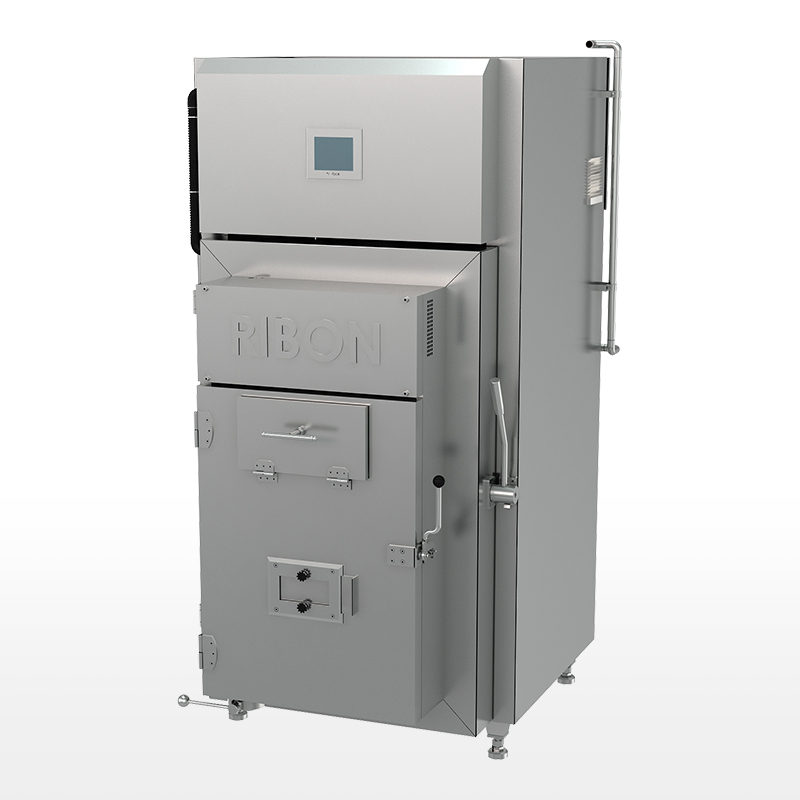
Advanced control units also feature integrated meat probes and Wi-Fi connectivity. This allows the operator to monitor the internal temperature of multiple cuts of meat simultaneously and receive alerts on a smartphone if the chamber temperature drops unexpectedly or if the food reaches its target temperature. When selecting this equipment, look for controllers that offer "hold" modes, which automatically drop the pit temperature to a safe holding level once the meat is cooked.
Airflow Management: Dampers and Circulation Fans
Smoke is an ingredient, but stale smoke is a contaminant. Proper airflow equipment is necessary to ensure that fresh smoke moves over the meat and exits the chamber before it deposits bitter creosote. A well-equipped smoking house utilizes adjustable inlet and exhaust dampers. These metal valves control the volume of oxygen feeding the fire and the speed at which smoke drafts through the chamber. Learning to manipulate these dampers is essential for controlling the "color" of the smoke; you want thin, blue smoke rather than thick, white clouds.
In larger walk-in or cabinet smokehouses, passive drafts may not be enough. Convection fans are often installed to eliminate hot and cold spots within the unit. These high-temperature fans circulate the air vigorously, ensuring that sausages hanging in the top corner cook at the exact same rate as those in the center. This uniformity is crucial for commercial or high-volume batch cooking.
Interior Racking and Hanging Systems
The interior configuration of your smokehouse dictates its versatility. Standard flat racks are useful for briskets and pork butts, but a truly functional smoking house utilizes a modular system. Stainless steel is the material of choice here due to its resistance to rust and ease of cleaning. Chrome-plated racks eventually peel and rust, posing a health hazard.
- Smoke Sticks: Triangular or round dowels used for hanging linked sausages, ensuring they do not touch and allow 360-degree smoke penetration.
- S-Hooks and Bacon Hangers: specialized hooks with multiple prongs designed to hold heavy slabs of belly bacon or ribs securely without tearing the meat.
- Jerky Screens: Fine mesh grids that prevent small strips of meat or vegetables from falling through standard grate bars.
- Drip Pans: Angled deflectors that catch rendering fat to prevent grease fires while directing the grease to an external bucket for easy disposal.
Investing in a versatile rail system inside the smokehouse allows you to switch between shelves and hanging rods in seconds. This flexibility allows a single piece of equipment to transition from smoking distinct hams one day to drying hundreds of beef jerky strips the next.