

 English
 русский
 Español
 عربى
عربى
Content
- 1 What Is a Cold Smoking Smokehouse?
- 2 How a Cold Smokehouse Works
- 3 DIY Cold Smokehouse Designs: What You Can Build at Home
- 4 Best Foods to Cold Smoke in a Smokehouse
- 5 Choosing the Right Wood for Your Cold Smoke House
- 6 Food Safety Rules Every Cold Smoker Must Follow
- 7 Setting Up and Running Your First Cold Smoking Session
- 8 Troubleshooting Common Cold Smokehouse Problems
What Is a Cold Smoking Smokehouse?
A cold smoking smokehouse is a dedicated enclosure or chamber used to expose food to smoke at low temperatures — typically between 68°F (20°C) and 86°F (30°C) — without actually cooking it. Unlike hot smoking, which both flavors and cooks food simultaneously, cold smoking is purely about flavor infusion, preservation, and aroma. The smoke penetrates the surface of the food slowly over several hours or even days, depositing complex, woody flavor compounds without raising the internal temperature of the food to a level that would cause it to cook.
A cold smoke house can be as simple as a repurposed wooden cabinet or metal barrel, or as elaborate as a purpose-built brick structure with a dedicated smoke tunnel. What defines it is the separation between the heat/smoke source and the food chamber — a key design principle that keeps temperatures low inside the smoking chamber while still delivering a steady flow of cool, flavorful smoke.
Cold smoking has been practiced for centuries as a method of food preservation, particularly for salmon, sausages, hams, and cheeses. Today, it has seen a massive revival among home food enthusiasts who want to replicate artisan-quality smoked foods in their own backyard or garage.
How a Cold Smokehouse Works
The fundamental mechanism of a cold smoking smokehouse involves generating smoke in one location and routing it through a pipe, tube, or channel into a separate chamber where the food sits. By the time the smoke travels from the source to the food, it has cooled significantly, making it safe to use for foods like raw fish or uncooked meats that you intend to cure rather than cook.
Key components of a cold smoking setup
- Smoke generator: This is where wood smolders and produces smoke. It can be a firebox, a purpose-built cold smoke generator, or even a maze/tube smoker filled with wood dust or chips.
- Smoke channel or pipe: A length of pipe, tube, or buried trench that allows the smoke to travel from the generator to the food chamber, cooling as it goes. Longer channels produce cooler smoke.
- Food chamber: The enclosed space where your food hangs or rests on racks. It needs ventilation to allow airflow and prevent condensation buildup, which can lead to off-flavors or mold.
- Thermometer: Monitoring the temperature inside the food chamber is essential. You should aim to keep it below 86°F (30°C) to stay in true cold smoking territory.
- Airflow control: Vents or adjustable openings let you manage the density and flow rate of smoke, preventing it from becoming overly bitter or stagnant.
DIY Cold Smokehouse Designs: What You Can Build at Home
Building your own cold smoke house is one of the most satisfying DIY food projects you can tackle. There are several popular approaches, ranging from quick weekend builds to more permanent structures. The right design depends on your space, budget, and how often you plan to use it.
The barrel and pipe method
One of the most popular DIY cold smokehouse setups involves connecting two barrels with a length of metal pipe. The first barrel acts as the firebox and sits lower to the ground; the second barrel, elevated slightly, is the food chamber. Smoke travels up through the pipe between them. This design is cheap, portable, and highly effective. Use a 4–6 foot pipe for adequate cooling. Drill ventilation holes in the lid of the food barrel and fit it with hooks or a wooden dowel for hanging meats or fish.
The wooden cold smoke cabinet
A wooden cabinet — either purpose-built or repurposed from an old wardrobe or refrigerator — makes an excellent cold smoke chamber. Line the inside with untreated hardwood planks if using an old appliance carcass, as these absorb smoke over time and contribute to the flavor. Fit the cabinet with adjustable racks and hooks, and drill a small inlet hole near the bottom for the smoke pipe. A second hole near the top acts as an exhaust vent. A cold smoke generator, such as a ProQ or similar maze-style device placed inside or just outside the cabinet, completes the setup.
The brick or stone smokehouse
For those who want a permanent installation, a brick cold smokehouse is the gold standard. These are typically built with a firebox at one end, a buried or surface-level flue that runs several meters, and a sealed stone or brick chamber at the other end. This setup provides superb temperature stability and is ideal for cold smoking large batches of ham, salmon, or sausages over multiple days. Construction takes more skill and investment, but the results — and the visual impact in your garden — are hard to beat.
The offset pit smokehouse
Inspired by traditional Appalachian and Scandinavian designs, the offset pit method involves digging a trench or channel in the ground that connects a small pit fire to a surface-level smoking chamber. The earth itself cools the smoke as it travels underground. This is one of the most effective methods for achieving consistently low temperatures, even in warm weather. It does require some landscaping work but can be constructed with basic tools and inexpensive materials like cinder blocks, corrugated metal, and wooden boards.
Best Foods to Cold Smoke in a Smokehouse
The range of foods you can cold smoke is surprisingly broad. Because cold smoking infuses flavor without cooking, many foods benefit enormously from the technique — both traditional staples and some unexpected candidates.
| Food | Typical Smoke Time | Notes |
| Cold smoked salmon | 8–24 hours | Must be cured in salt first; use alder or oak wood |
| Cold smoked cheese | 2–4 hours | Rest for 1–2 weeks after smoking for best flavor |
| Bacon (belly pork) | 12–24 hours | Cure with salt and pink curing salt first |
| Cold smoked garlic | 3–6 hours | Incredible flavor; great for pasta and sauces |
| Salt and spices | 2–3 hours | Creates smoked finishing salts and seasonings |
| Whole ham (cured) | 24–72 hours | Long cure required; traditional European style |
| Butter | 1–2 hours | Keep very cold; use for steaks and bread |
Choosing the Right Wood for Your Cold Smoke House
The wood you choose is one of the most important flavor decisions in cold smoking. Because the smoke has such extended contact with the food — often measured in many hours — the wood type has an outsized impact on the final taste. Always use dry, untreated hardwoods. Never use softwoods like pine or spruce, as they contain resins that produce acrid, bitter smoke and can leave harmful residues on food.
- Alder: The classic choice for cold smoked salmon and fish. It produces a light, slightly sweet smoke that doesn't overpower delicate proteins. Widely used across Scandinavian and Pacific Northwest smoking traditions.
- Oak: A robust, versatile wood that works well for bacon, hams, and hard cheeses. It produces a strong, earthy smoke and is one of the most popular all-around choices for cold smokehouse use.
- Cherry: Produces a mildly sweet, fruity smoke with a beautiful reddish tint on the food surface. Excellent for poultry, pork, and softer cheeses like mozzarella or brie.
- Apple: Very mild and subtly sweet. A go-to for delicate foods including cold smoked cheese, butter, and fish. Pairs beautifully with lighter meats and creates a gentle, nuanced flavor.
- Hickory: Produces a bold, bacon-like smoke with strong flavor. Best used in moderation or blended with milder woods, as it can easily overpower food if used for extended cold smoking sessions.
- Beech: Very popular in European cold smoking traditions, particularly for hams and sausages. Produces a clean, consistent smoke with a mild, nutty character.
For cold smoking, fine wood dust or very small wood chips are generally preferred over chunks or logs, because they smolder slowly and consistently without producing intense heat. Maze-style and tube smokers are specifically designed to work with dust, making them ideal companions for any cold smoke house setup.
Food Safety Rules Every Cold Smoker Must Follow
Cold smoking is a wonderful craft, but it comes with real food safety responsibilities. Because temperatures stay low — well below the level that kills bacteria — cold smoking alone does not make food safe to eat. This is an absolutely critical point that many beginners overlook.
Always cure meat and fish before cold smoking
Salt curing draws moisture out of the food, lowers the water activity, and creates an environment hostile to bacterial growth. For fish and red meats, you must cure before cold smoking — not as an optional step, but as a mandatory food safety measure. Use either a dry cure (rubbing the food with a mixture of salt, sugar, and optionally pink curing salt) or a wet brine. For meats intended for long storage or eaten without subsequent cooking, pink curing salt (sodium nitrite) is strongly recommended to prevent the risk of botulism, particularly in low-oxygen environments like tightly packed smoked sausages or vacuum-packed products.
Monitor chamber temperature closely
The danger zone for bacterial growth is 40°F–140°F (4°C–60°C). When cold smoking, you want to stay below 86°F (30°C) inside the food chamber. On warm days, this can be a challenge — particularly if your smoke generator is close to the food chamber. Cold smoking is best done in cool weather: autumn and winter are ideal seasons in most climates. In warmer months, consider smoking overnight when temperatures drop, or add ice trays inside the food chamber to keep the air cool.
Know which foods need post-smoking cooking
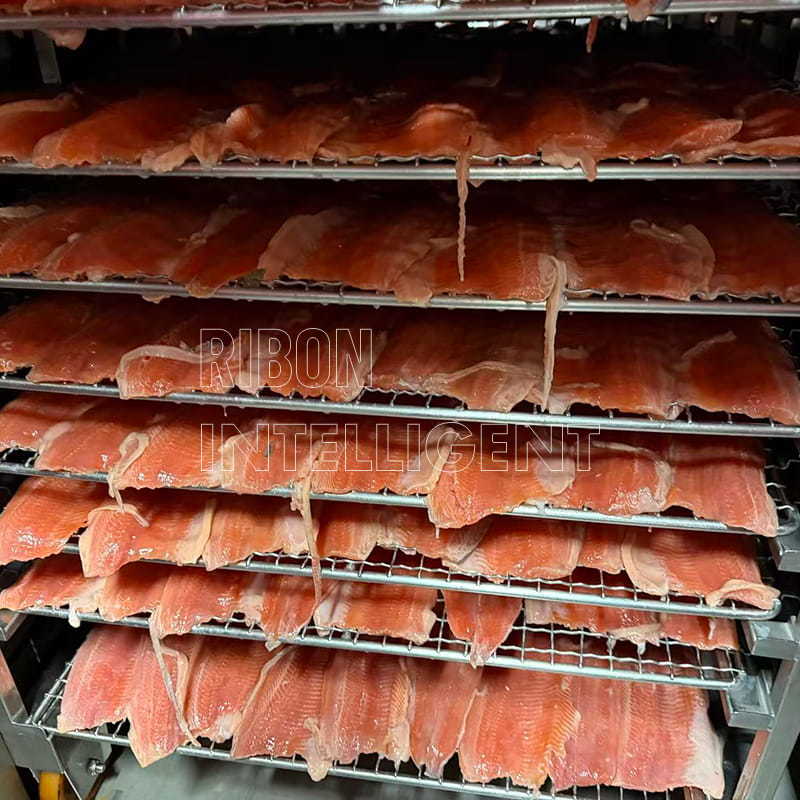
Cold smoked salmon is consumed without cooking, which is why curing is non-negotiable before cold smoking. Cold smoked bacon and sausages, however, are typically cooked before eating — which means the cold smoking step is purely for flavor, and the cooking step provides the food safety. Know which category your food falls into and plan accordingly. When in doubt, cook it.
Setting Up and Running Your First Cold Smoking Session
Your first session in a cold smoke house can feel intimidating, but the process is straightforward once you have your setup ready and your food properly prepared. Here's a step-by-step walkthrough to help you get great results from the start.
- Step 1 – Cure your food: Apply your chosen dry cure or brine and refrigerate for the required time. For salmon fillets, this typically means 12–24 hours in a dry cure of sea salt and brown sugar. For a bacon belly, expect 5–7 days of curing in the fridge.
- Step 2 – Form the pellicle: After curing, rinse off the cure and leave the food uncovered on a rack in the fridge for 6–12 hours. This dries the surface and forms a tacky protein layer called the pellicle, which helps smoke adhere evenly and produces a better end result.
- Step 3 – Set up your smoke generator: Fill your maze smoker or cold smoke generator with fine wood dust. Light one end carefully with a torch lighter and let it catch properly before placing it in or near your smoking chamber. Check that smoke is flowing into the food chamber before loading the food.
- Step 4 – Load the food chamber: Hang or rack your food so that air and smoke can circulate freely around all surfaces. Avoid items touching each other, which creates uneven smoking and can cause moisture-related issues.
- Step 5 – Monitor temperature and smoke: Check the thermometer inside the chamber every hour or two. If it climbs above 86°F (30°C), open a vent or add ice. Check that the smoke generator is still burning and replenish dust or chips as needed.
- Step 6 – Rest after smoking: Once your session is complete, wrap the food and rest it in the fridge for at least 24 hours before eating. This allows the smoke to mellow and penetrate more deeply, dramatically improving the flavor. Cheeses benefit from resting for 1–2 weeks.
Troubleshooting Common Cold Smokehouse Problems
Even experienced cold smokers run into issues. Knowing what to look for and how to fix it will save you from ruined batches and frustrating sessions.
Smoke is too harsh or bitter
Bitter smoke usually comes from incomplete combustion or from creosote buildup caused by wet wood or poor airflow. Make sure your wood dust or chips are properly dried — ideally stored indoors for several months. Increase ventilation in your smokehouse to prevent smoke from stagnating. If using chunks, switch to fine dust which burns more cleanly at low temperatures.
Temperature keeps spiking too high
If your food chamber is getting too warm, the most likely causes are: the smoke generator is too close to the food, ambient temperature is high, or there's insufficient airflow to dissipate heat. Extend the length of the pipe between the smoke source and the chamber, add ice trays inside the chamber, or smoke during cooler parts of the day. In hot summer months, consider waiting for cooler weather or smoking exclusively overnight.
Smoke generator keeps going out
This is a very common frustration with maze and tube smokers. The culprits are usually moisture in the wood dust or insufficient airflow to keep the smolder going. Make sure your dust is completely dry — spread it on a baking tray and warm it in the oven at 200°F (93°C) for 30 minutes before use. Ensure your cold smoke house has adequate ventilation; without a slight draft through the chamber, the smolder will suffocate.
Uneven smoke color on food
If your fish or meat shows patchy areas of smoke color, it usually means parts of the food surface were touching each other or a rack, or the pellicle wasn't formed properly. Always ensure good airflow around all surfaces, hang rather than rest where possible, and take the pellicle step seriously — it makes a bigger difference to smoke adhesion than most beginners expect.