

 English
 русский
 Español
 عربى
عربى
Content
- 1 What Is a Skin Puller for Cattle Dehiding?
- 2 How Cattle Hide Pullers Work
- 3 Main Types of Skin Pullers Used in Cattle Processing
- 4 Comparing the Main Types at a Glance
- 5 Key Features to Look for in a Cattle Dehiding Machine
- 6
- 7 The Role of a Skin Puller in Meat Quality and Hide Value
- 8 Operator Safety When Using Hide Removal Equipment
- 9 Maintenance Practices to Keep Your Hide Puller Running Reliably
- 10 How to Choose the Right Skin Puller for Your Cattle Operation
What Is a Skin Puller for Cattle Dehiding?
A skin puller for cattle dehiding is a mechanical or hydraulic device used in beef processing facilities to remove the hide from a carcass quickly, cleanly, and with minimal damage to the underlying meat. Rather than relying entirely on manual knife work — which is slow, labor-intensive, and inconsistent — a cattle hide puller applies controlled tension to strip the hide away from the carcass in a single, continuous motion. The result is faster throughput, lower labor costs, and a cleaner hide that retains higher commercial value.
In modern slaughter operations, beef dehiding equipment is considered essential infrastructure. Whether you're running a large-scale commercial plant processing hundreds of cattle per hour or a smaller custom-exempt facility handling a few head per day, having the right hide removal equipment significantly impacts your efficiency, meat quality, and worker safety. Understanding how these machines work and what separates a good unit from a poor one is the first step toward making a smart investment.
How Cattle Hide Pullers Work
The basic operating principle of a mechanical hide puller is straightforward: the loosened hide is clamped or chained to a pulling mechanism, and the machine applies steady downward or lateral tension while the carcass is held in place — either on a rail, a cradle, or restrained by a dedicated hold-down device. The force separates the connective tissue between the hide and the subcutaneous fat layer without cutting into the carcass.
Before the machine can do its job, a skilled operator must first perform the preliminary fisting and knife work: opening the hide along the midline, freeing the hide around the legs, brisket, and head, and creating a sufficient flap that can be securely attached to the puller. The machine then takes over for the bulk of the hide-off operation. In well-designed systems, this combination of manual prep and mechanical pulling reduces hide-off time to under two minutes per animal.
Most modern cattle skinning machines use a hydraulic cylinder or electric winch to generate the pulling force, which can range from a few hundred kilograms to several tonnes depending on the size of the machine. The pulling speed is typically adjustable — slower speeds give the operator more control and reduce the risk of tearing, while faster speeds improve throughput when conditions allow.
Main Types of Skin Pullers Used in Cattle Processing
Cattle dehiding equipment comes in several configurations, each suited to different facility sizes, throughput requirements, and budget levels. Understanding the differences helps you match the right machine to your operation.
Downward-Pull Hide Pullers
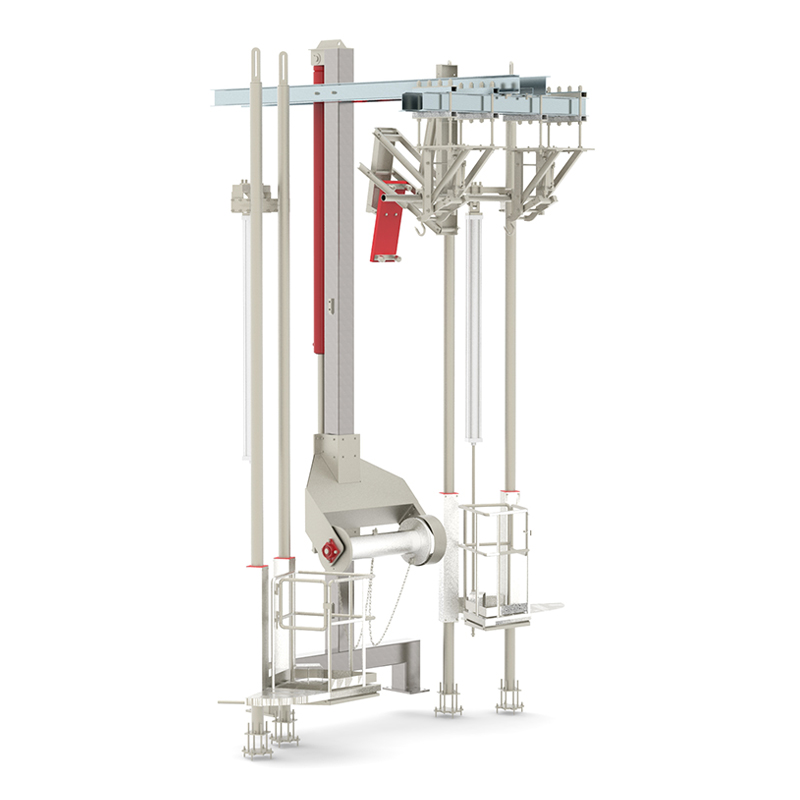
These are the most widely used type in commercial beef plants. The carcass hangs vertically on a rail, and the hide is pulled downward by a chain attached to a hydraulic or pneumatic cylinder mounted above the carcass. A hold-down roller or bar presses against the carcass at the point of separation to prevent the animal from moving and to ensure a clean, even pull. Downward-pull systems are fast, efficient, and well-suited for high-volume operations. They are often integrated into automated chain conveyor systems where the carcass moves continuously through the dehiding station.
Upward-Pull (Upstroke) Hide Pullers
In upward-pull configurations, the hide is attached to a chain or hook and pulled upward while the carcass hangs below. This design is less common in large plants but is favored in some smaller operations and in facilities where the layout makes downward-pull impractical. Upward-pull machines tend to require more preliminary fisting work since gravity does not assist in separating the hide during the pull.
Horizontal Hide Pullers
Horizontal beef dehiding machines are used when the carcass is positioned on a tipping cradle or a horizontal rail system. The pulling force is applied laterally rather than vertically. These machines are common in smaller abattoirs and in facilities that process a mixed species line (cattle and hogs on the same floor), where the layout does not allow for tall vertical equipment. They offer good control and are generally easier to maintain than overhead systems.
Rotary Drum Hide Pullers
Rotary or drum-type cattle skinning machines wind the hide around a rotating drum as it is pulled from the carcass. This continuous winding motion provides a very even tension throughout the pull, which reduces the risk of tearing and produces high-quality hides. Drum pullers are typically found in large-scale commercial plants where hide quality is a priority — for example, in operations that sell hides to premium leather processors. They represent a higher capital investment but deliver excellent consistency.
Portable and Compact Hide Pullers
For small custom processors, farm-based operations, or mobile slaughter units, compact portable hide removal equipment is available. These units typically use a heavy-duty electric winch or a small hydraulic power unit and can be mounted on a wall, beam, or portable frame. While they lack the speed and automation of industrial systems, they dramatically reduce the physical effort of hide removal compared to fully manual methods and are a cost-effective entry point for small-volume operations.
Comparing the Main Types at a Glance
| Type | Best For | Throughput | Hide Quality | Cost Level |
| Downward-Pull | Large commercial plants | Very High | Good | High |
| Upward-Pull | Mid-size facilities | Medium | Good | Medium |
| Horizontal | Small/mixed abattoirs | Medium | Good | Medium |
| Rotary Drum | Premium hide operations | High | Excellent | Very High |
| Portable/Compact | Small farms, mobile units | Low | Moderate | Low |
Key Features to Look for in a Cattle Dehiding Machine
Not all cattle skin pullers are created equal. When evaluating options — whether you're buying new, used, or specifying equipment for a new build — these are the features that separate reliable, productive machines from problematic ones:
- Adjustable pulling speed and force: A good cattle hide puller should allow the operator to vary both speed and tension. Heavier animals and colder hides require different settings than lighter cattle in warm conditions. Fixed-speed machines offer less flexibility and tend to produce more carcass damage.
- Effective hold-down mechanism: The hold-down device — typically a roller, bar, or pneumatic clamp — prevents the carcass from moving or spinning during the pull. A poorly designed hold-down causes uneven separation, meat tears, and contamination risk. Look for systems where the hold-down pressure is also adjustable.
- Stainless steel or food-grade construction: All surfaces that may contact the carcass or hide must be made from food-grade stainless steel or equivalent materials to meet hygiene standards and resist the corrosive environment of a slaughter floor.
- Reliable chain and clamp system: The chain used to attach the hide to the machine takes enormous stress during every pull cycle. Heavy-duty, sanitary-grade chains with quick-release clamps or hooks reduce cycle time and make the operator's job safer and easier.
- Easy cleaning and maintenance access: Slaughter floor equipment must be thoroughly cleaned and sanitized every day. Machines with enclosed hydraulic components, minimal horizontal surfaces, and tool-free access panels are far easier to keep clean and compliant with food safety regulations.
- Safety interlocks and emergency stops: Hydraulic hide pullers generate forces that can seriously injure an operator. Look for machines with two-hand control panels, dead-man switches, and clearly positioned emergency stop buttons. Compliance with relevant machinery safety directives (CE marking in Europe, for example) is a strong indicator of well-engineered safety.
The Role of a Skin Puller in Meat Quality and Hide Value
A well-executed dehide using proper cattle skinning equipment has a direct impact on two revenue streams: the carcass yield and the hide value. When hide removal is done carelessly — whether by hand or with poorly adjusted machinery — the consequences are measurable and financially significant.
Impact on Carcass Quality
Hide pulls that go too fast, apply uneven tension, or proceed without adequate preliminary fisting work frequently result in hide-on contamination (fecal matter from the hide surface transferred to the exposed meat), subcutaneous fat tears, and exposed muscle tissue that was not intended to be cut. These defects increase trim loss, can cause USDA inspection failures, and in severe cases require carcass condemnation. A properly adjusted skin puller with a good hold-down system minimizes these outcomes by separating the hide along the natural fascia plane without dragging the hide surface across the meat.
Impact on Hide Value
The hide is a significant co-product of beef processing, and its value depends heavily on how it comes off the carcass. Hides with excessive knife cuts (scores), machine-caused tears, or large areas of remaining flesh (called "fleshings") are downgraded at the tannery. A steady, controlled pull from a well-maintained beef dehiding machine produces a hide with minimal damage, higher leather yield, and better grading — which translates directly into higher co-product revenue per head. Processors who sell hides to premium tanneries are especially attentive to this aspect of their dehiding process.
Operator Safety When Using Hide Removal Equipment
Cattle dehiding is one of the higher-risk tasks in a slaughter facility. The combination of large, swinging carcasses, powerful hydraulic machinery, sharp knives, slippery floors, and the physical demands of the work creates multiple injury hazards. Proper training and strict safety protocols are non-negotiable.
- Never reach into the pull zone during operation. The area between the carcass and the machine during an active pull is extremely dangerous. All bystanders and non-essential personnel must stand clear of the dehiding station while the machine is running.
- Inspect chains and clamps before every shift. Chains that show signs of stretching, cracking, or bent links must be replaced immediately. A chain failure during a high-force pull can send heavy metal components flying at dangerous speeds.
- Use cut-resistant gloves during fisting and hide attachment. The preliminary knife work and the process of attaching the loosened hide to the machine chain involve significant cut risk. Properly rated cut-resistant gloves are essential PPE at this station.
- Keep the floor dry and non-slip. Hide removal generates large quantities of blood, fat, and fluids. Anti-slip floor surfaces, drainage grates, and regular floor washing during operation reduce the risk of slips and falls near the active machine.
- Train operators specifically on the machine model in use. General slaughter floor training is not a substitute for machine-specific instruction. Every operator who controls a hide puller must be trained on its specific controls, emergency stop location, and safe attachment procedures.
Maintenance Practices to Keep Your Hide Puller Running Reliably
Like all hydraulic and mechanical equipment on a slaughter floor, a cattle skin puller operates in a harsh environment — daily exposure to water, steam, blood, salt, and cleaning chemicals is hard on every component. A structured maintenance routine protects your investment and prevents unplanned downtime during production.
- Daily: Rinse and sanitize all food-contact surfaces and the exterior of the machine after each production shift. Inspect chains, hooks, and clamps for damage. Check hydraulic fluid level and look for visible leaks around hose fittings and cylinder seals.
- Weekly: Lubricate all pivot points, bearings, and guide rails as specified by the manufacturer. Test the function of all safety interlocks and emergency stops. Inspect the hold-down roller or bar for wear and check that it applies even pressure across the carcass.
- Monthly: Check hydraulic pressure settings against the machine's specifications. Hydraulic systems that drift out of calibration can apply excessive force that damages hides and stresses structural components. Replace hydraulic filters per the manufacturer's schedule.
- Annually: Schedule a full mechanical inspection with a qualified technician. Replace hydraulic seals, hoses, and chains on a preventative basis rather than waiting for failure. Review the machine's performance data against baseline to identify emerging issues.
How to Choose the Right Skin Puller for Your Cattle Operation
Selecting the right cattle dehiding machine comes down to matching the equipment to the specific demands of your facility. Here are the key questions to work through before making a purchase decision:
- What is your target throughput? Calculate the number of cattle per hour you need to process and work backward to determine the cycle time available for dehiding. A compact winch-style puller is fine at 2–3 head per hour but will be a bottleneck at 20 head per hour. Match machine capacity to your line speed with room to spare.
- What is the average size and weight of your cattle? Heavier animals and thick-hided breeds (like Brahman crossbreds) require more pulling force than lighter dairy breeds. Make sure the machine's rated pulling capacity exceeds your heaviest expected animal by a meaningful margin — at least 20–30%.
- How important is hide quality to your business? If you sell hides as a premium co-product, invest in a drum-type puller or a high-quality downward-pull system with precise speed control. If hides are a minor revenue stream, a simpler and more economical design may be sufficient.
- What are your facility layout constraints? Ceiling height, rail system configuration, and floor space all affect which machine types can be physically installed. Work with the equipment supplier to confirm dimensional requirements before ordering.
- What after-sales support is available? Slaughter floor equipment must be repaired quickly when it breaks down — every hour of downtime has a direct cost. Choose a supplier who can provide spare parts, technical support, and on-site service within a reasonable timeframe for your location.