

 English
 русский
 Español
 عربى
عربى
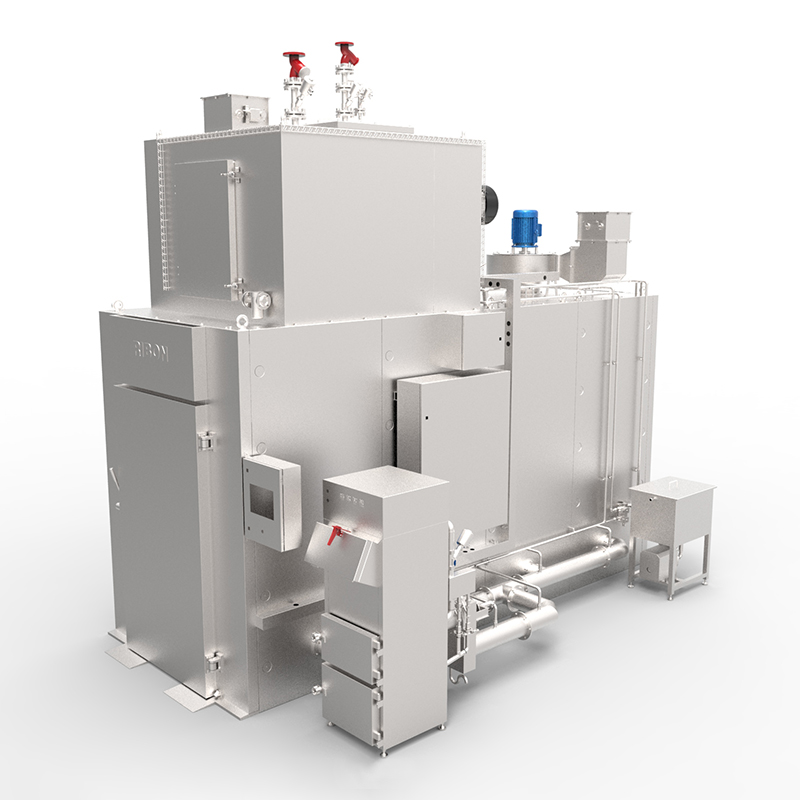
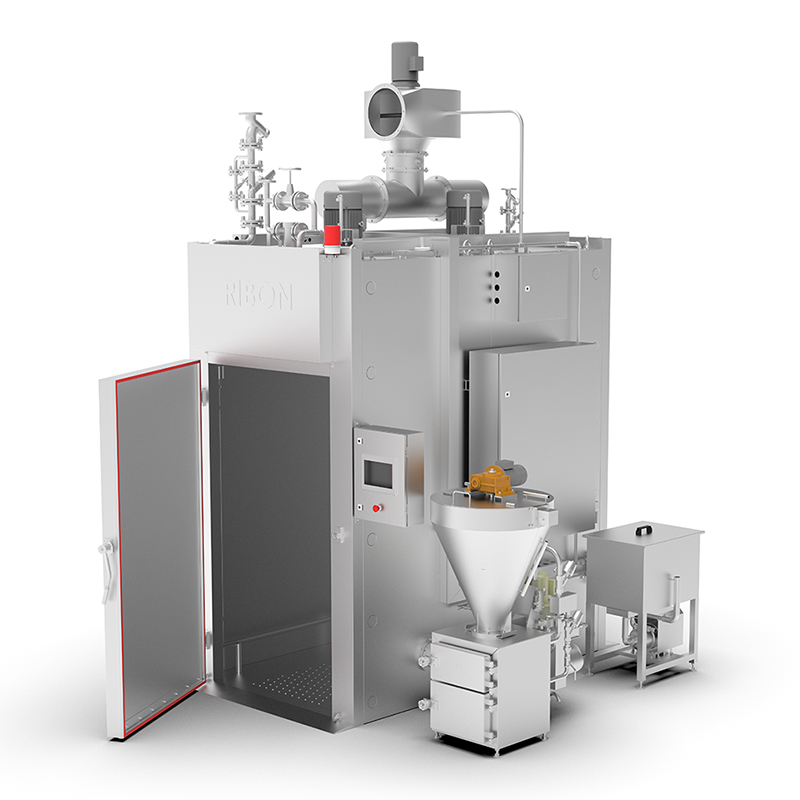
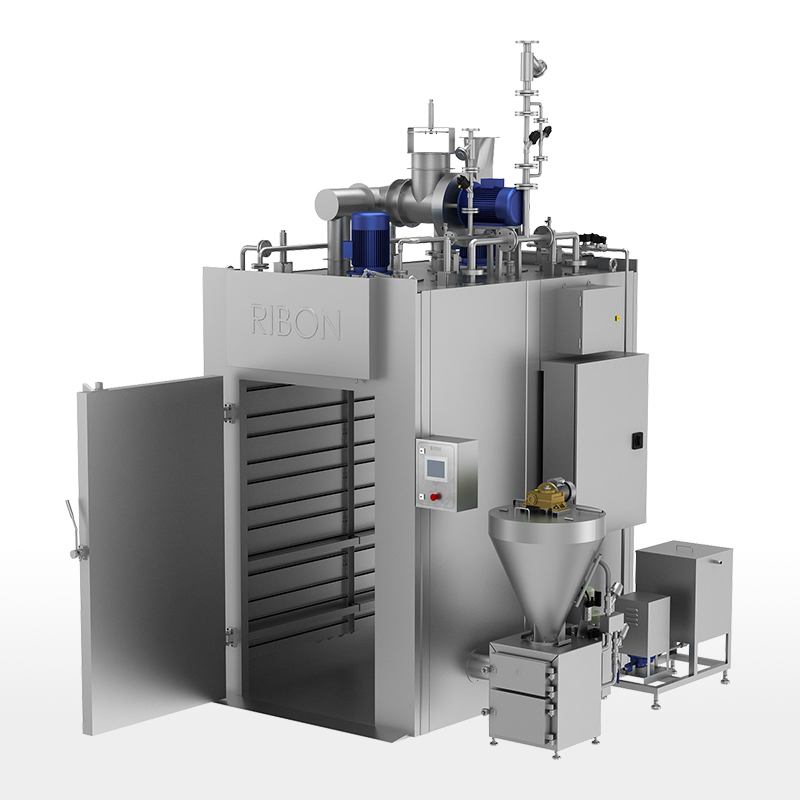
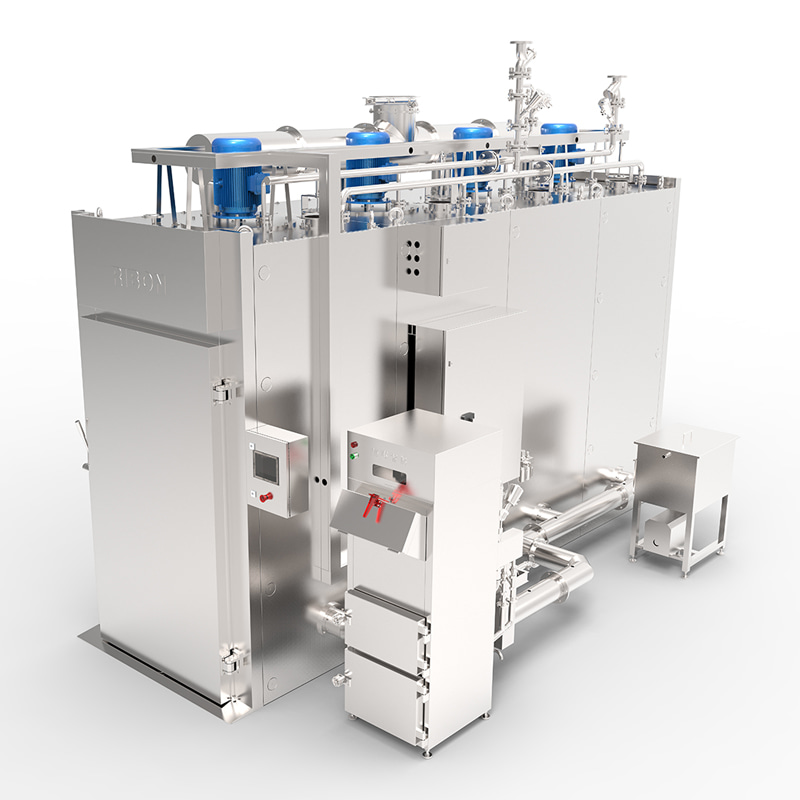
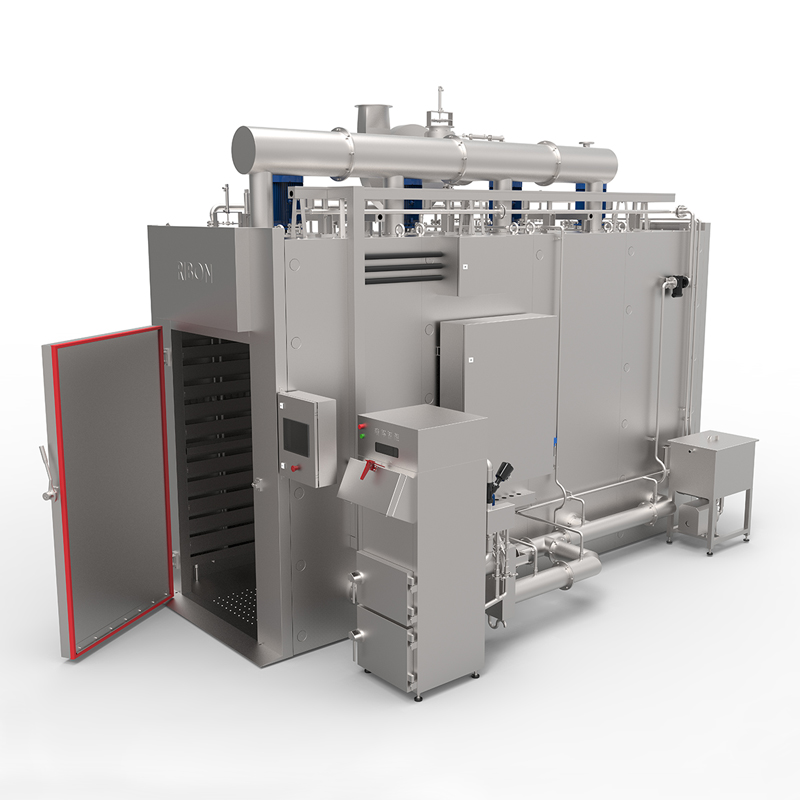
A meat processing smokehouse is more than just a cooking chamber—it is where flavor, texture, and aroma come to life. Optimizing your smokehouse operations can significantly improve product quality and customer satisfaction.
Content
Preparing Meat for Smoking
Before smoking, proper preparation of the meat is essential:
- Brining – Use a saltwater solution to enhance flavor, moisture retention, and preservation.
- Marinating – Herbs, spices, and seasonings help achieve a distinct taste profile.
- Temperature control – Ensure meat is at the right temperature before loading to prevent uneven cooking.
- Cut size – Uniform cuts ensure even smoke penetration and cooking time.
Smoking Techniques That Enhance Flavor
The technique used in a smokehouse directly affects the flavor, color, and texture of meat products:
- Cold smoking – Adds flavor without cooking the meat, suitable for sausages and hams.
- Hot smoking – Simultaneously cooks and flavors meat, ideal for briskets and ribs.
- Smoke infusion – Using wood chips or sawdust from different trees (like hickory, apple, or oak) can alter flavor profiles.
- Humidity control – Maintaining the right humidity prevents meat from drying out during long smoking cycles.
Maintaining Consistency in the Smokehouse
Consistency is key to producing high-quality smoked products. Here’s how to achieve it:
- Monitor temperature and smoke levels using digital controllers.
- Rotate racks regularly to ensure even exposure to smoke and heat.
- Standardize brine and seasoning recipes for repeatable flavor.
- Clean racks and trays after every batch to prevent residual flavors or contamination.
Troubleshooting Common Smokehouse Issues
Even experienced operators encounter problems. Common issues include:
| Problem | Cause | Solution |
| Uneven color | Poor airflow or irregular meat placement | Adjust racks and improve airflow system |
| Dry meat | Low humidity or overcooking | Use humidity control and monitor cooking times |
| Overly smoky flavor | Too many wood chips or improper smoke generation | Reduce wood quantity and check smoke generator settings |
Maximizing Efficiency in Your Smokehouse
Efficiency not only saves time but also reduces operating costs. Consider these tips:
- Preheat the smokehouse before loading meat.
- Batch production – Smoke multiple racks at once to maximize output.
- Regular maintenance – Clean and inspect smokehouse components to avoid breakdowns.
- Invest in automation – Timers, temperature, and humidity controls reduce labor and error.
With proper techniques, maintenance, and operational strategies, your meat processing smokehouse can consistently produce flavorful, high-quality smoked meat products that keep customers coming back for more.