

 English
 русский
 Español
 عربى
عربى
Deboning is one of the most labor-intensive steps in meat processing. Whether you run a beef plant, a pork facility, or a mixed-protein operation, the equipment you choose for cutting and deboning directly affects yield, worker safety, and the consistency of every cut that leaves your floor. At Ribon Intelligent, we have spent more than two decades building deboning equipment and complete cutting lines for processors around the world, and we have seen how the right setup can turn a bottleneck into a smooth, profitable workflow.
This guide walks through the main categories of deboning equipment, the factors that should shape your selection, and the way these machines fit into a larger production line.
Content
- 1 What Deboning Equipment Actually Does
- 2 The Main Types of Deboning Equipment
- 3 Matching Equipment to Species and Throughput
- 4 Integrating Deboning Equipment with Upstream and Downstream Processes
- 5 Key Features to Evaluate Before You Buy
- 6 Maintenance, Hygiene, and Safety
- 7 The Return on Investment in Deboning Equipment
- 8 Working with an Experienced Deboning Equipment Partner
What Deboning Equipment Actually Does
Deboning equipment separates edible meat from bone, cartilage, and sinew. The goal is not simply to remove bone; it is to do so with minimal product loss, consistent portion control, and a level of hygiene that meets modern food safety standards. In a typical plant, deboning follows slaughter, chilling, and primal cutting. The output then moves to further processing, such as marination, tumbling, smoking, or packaging.
Manual deboning still has a place for specialty cuts and very small operations, but it is slow, physically demanding, and difficult to standardize. Machine-assisted deboning changes the equation. A well-designed line can increase yield, reduce the number of skilled workers needed on the floor, and lower the risk of repetitive-strain injuries.
The Main Types of Deboning Equipment
Circular Blade Saws for Primal and Sub-Primal Cutting
For many plants, the first step in mechanical deboning is a circular blade saw. Table-type circular blade saws are compact and precise, making them ideal for breaking down primal cuts into manageable pieces. Vertical-type circular blade saws offer greater clearance and stability, which suits heavier carcass sections and high-volume pork or beef operations. Both designs emphasize clean cuts, easy blade changes, and guards that protect operators without slowing them down.
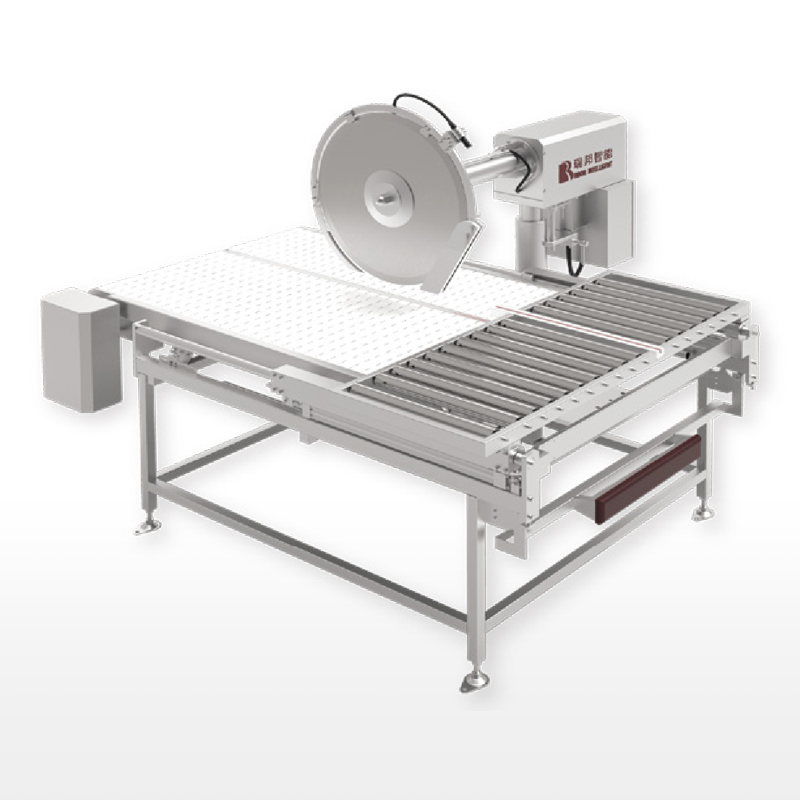 Table Type Circular Blade SawTable type circular blade saw is used for large carcass cutting, equipped with pneumatic roller operating table for easy connecting conveyor and convenient operation f...View Product →
Integrated Cutting and Deboning Lines
As volume grows, standalone saws give way to integrated cutting and deboning lines. These systems combine conveyors, workstations, saws, and ergonomic fixtures into a single flow. A cattle cutting and deboning solution is laid out around the size and anatomy of beef carcasses, with table heights, blade speeds, and support surfaces chosen for larger primals. The result is a line that keeps product moving and reduces the physical strain on every operator.
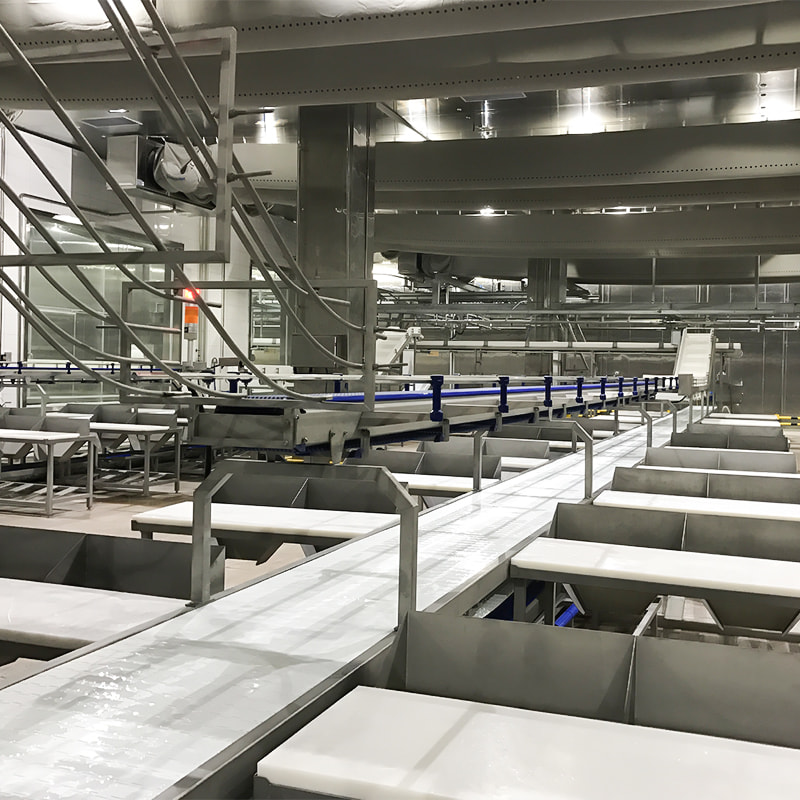 Cattle Cutting And Deboning SolutionSet of Cattle cutting and deboning solutions for processing cattle carcasses. RIBON is proposal design with layout drawing, manufacture, installation and commissioning...View Product →
A pig cutting and deboning solution is tuned for pork. Pork lines typically run at higher speeds, with more repetitive cuts and a greater emphasis on compact workstation design. The equipment must handle smaller cuts efficiently while still delivering the hygiene and safety performance that modern processors expect.
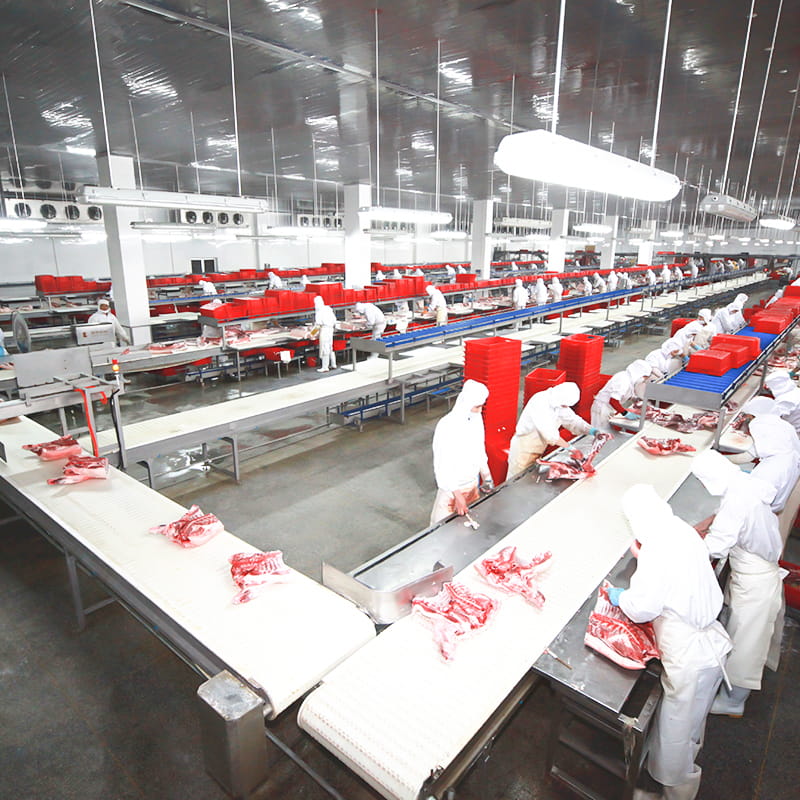 Pig Cutting And Deboning SolutionSet of Pig cutting and deboning solutions for processing pig carcasses. RIBON is proposal design with layout drawing, manufacture, installation and commissioning, prov...View Product →
Support Equipment That Keeps Deboning Clean and Moving
Deboning departments do not run on saws alone. Crate spinning machines, crate stack and unstack machines, and crate washers keep containers flowing and clean. Hand wash basins and knife sterilizers protect hygiene at every station. These support items may seem secondary, but they determine how smoothly the line operates and how easily you pass an audit. Our cutting and deboning solutions bring these elements together so that the whole department works as one system.
Matching Equipment to Species and Throughput
Beef and pork plants have different deboning equipment requirements. Beef carcasses are heavier, so lifting, transferring, and stabilizing the product requires robust frames and thoughtful ergonomics. Pork lines usually run at higher speeds, with more repetitive cuts and a greater need for compact, flexible workstations. Before choosing machines, define your species mix, daily volume, and the cuts you plan to produce.
| Equipment Type | Best For | Key Benefit |
|---|---|---|
| Table circular blade saw | Primal and sub-primal cuts | Compact, precise, easy to clean |
| Vertical circular blade saw | Heavier carcass sections | High clearance and stability |
| Cattle cutting and deboning solution | Beef plants | Species-specific layout and throughput |
| Pig cutting and deboning solution | Pork plants | Ergonomic, high-speed workflow |
Integrating Deboning Equipment with Upstream and Downstream Processes
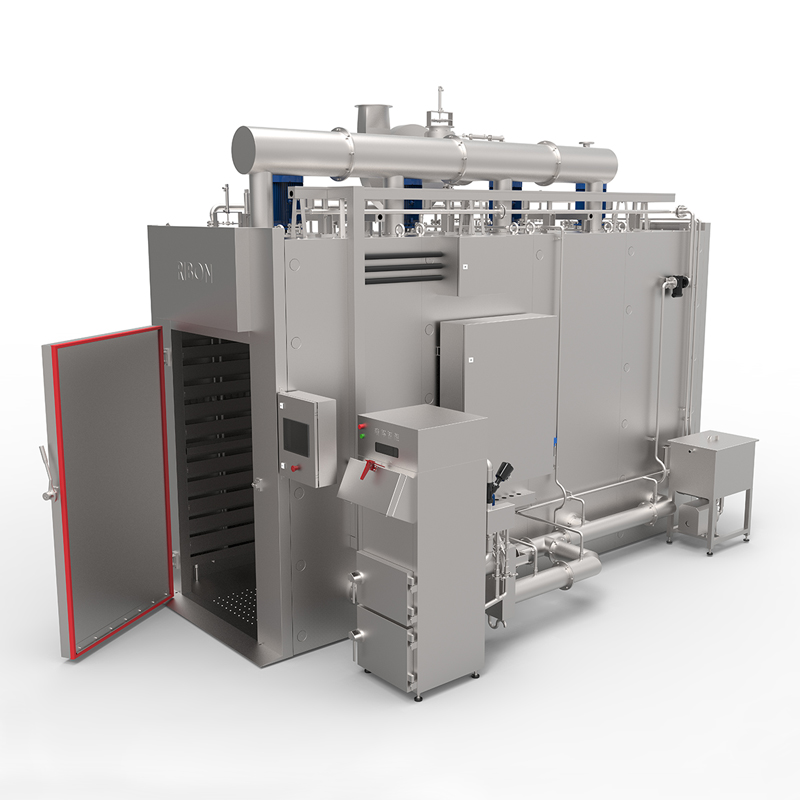
Deboning sits in the middle of the meat processing chain. Upstream, automatic rail systems, transferring systems, and lifting platforms deliver carcasses and primals to the cutting floor. Downstream, vacuum tumblers, smokehouses, chillers, and packaging equipment handle the trimmed meat. When these stages are not aligned, even the best deboning machine underperforms.
We often advise customers to map the entire flow before choosing individual machines. How fast can the saws work? How many workers can comfortably stand at each station? How will crates and product bins move in and out? Our complete guide to meat deboning machines covers many of these questions in more detail. A cutting and deboning line that answers them will outperform a collection of standalone machines every time.
Key Features to Evaluate Before You Buy
- Blade quality and replacement cost.
- Safety guards and emergency stops.
- Cleanability of frames, tables, and conveyors.
- Ergonomic height and reach for operators.
- Throughput capacity and compatibility with your species mix.
- Availability of spare parts and local service.
It also helps to test your own product on the equipment before purchase. Ribon's central testing center is equipped with a full range of meat processing machines, so customers can run their own cuts, evaluate yield, and fine-tune the process with our engineers.
Maintenance, Hygiene, and Safety
Deboning equipment operates in a wet, cold, and busy environment. Daily cleaning is not optional, and stainless steel surfaces, sealed bearings, and removable guards make the job faster. Blades should be inspected and changed on a schedule, not only when they feel dull. Lubricants must be food-grade, and electrical components need protection from washdown water.
Safety deserves the same attention. Guards should be designed so that operators cannot bypass them, and training should cover lockout procedures, proper knife handling, and the correct use of sterilizers and wash basins. A safe deboning floor is also a productive one.
The Return on Investment in Deboning Equipment
Deboning equipment is a significant capital purchase, but the returns show up in several places. Higher yield from more precise cutting reduces waste. Lower labor requirements cut operating costs. Fewer injuries lower insurance and downtime. Consistent cuts improve downstream processing and final product quality.
For plants that process multiple species, modular equipment can be a smart choice. A line that handles both beef and pork may not match a dedicated line's speed, but it can improve utilization and reduce the risk of idle capacity.
Working with an Experienced Deboning Equipment Partner
Deboning equipment is not a commodity. It has to fit your species, your throughput, your building, and your workforce. Since 2003, Ribon Intelligent has designed and manufactured meat processing machinery for customers around the world. Our product range includes cattle and pig cutting and deboning solutions, circular blade saws, crate handling and washing equipment, hand wash basins, knife sterilizers, vacuum tumblers, and smokehouses. We hold more than 150 national patents and operate a provincial research institute and a post-doctoral workstation, which helps us keep improving the machines that our customers rely on every day.
If you are planning a new deboning line or upgrading an existing one, our team is ready to help you review your layout, test your product, and choose equipment that will serve you for years.
Deboning equipment is at the heart of a profitable meat processing operation. By understanding the types of machines available, matching them to your species and volume, and integrating them with upstream and downstream processes, you can build a cutting floor that is safer, cleaner, and more productive. We would be glad to be part of that journey.