

 English
 русский
 Español
 عربى
عربى
Content
Choosing the Right Slaughtering Equipment for High-Yield Operations
Selecting the appropriate slaughtering equipment is the foundation of a successful meat processing business. Modern facilities prioritize machinery that balances throughput with carcass quality. For large-scale operations, this involves investing in automated slaughter lines that handle everything from initial stunning to final chilling. High-quality equipment must be constructed from food-grade 304 or 316 stainless steel to ensure longevity and resistance to the corrosive nature of blood and cleaning chemicals. By choosing the right tools, processors can significantly reduce manual labor costs while improving the overall safety of the workspace.
The design of modern abattoir machinery also focuses heavily on animal welfare and ergonomics. Precise stunning systems and smooth-moving overhead conveyors ensure that the process remains humane, which is not only an ethical requirement but also a factor in meat quality; lower stress levels in the livestock lead to better pH levels and texture in the final product. Furthermore, modular equipment allows for easier scaling, meaning a small facility can add specific components as their production needs grow without needing to replace the entire line.
Essential Components of a Professional Slaughter Line
Stunning and Bleeding Stations
The first phase of the process requires specialized slaughtering equipment such as pneumatic stunners or electrical stunning baths for poultry. Following this, automated bleeding troughs are used to collect blood efficiently. These systems are often equipped with blood pumping mechanisms and storage tanks designed for hygienic collection, which is essential if the facility plans to process blood for secondary industrial uses.
Dehairing and Scalding Machinery
For pork and poultry processing, scalding tanks and dehairing machines are indispensable. These units use temperature-controlled water to loosen hair or feathers before mechanical beaters remove them. Advanced dehairing units feature adjustable speeds and internal sprayers that wash away debris in real-time, ensuring the carcass remains clean before entering the evisceration stage.
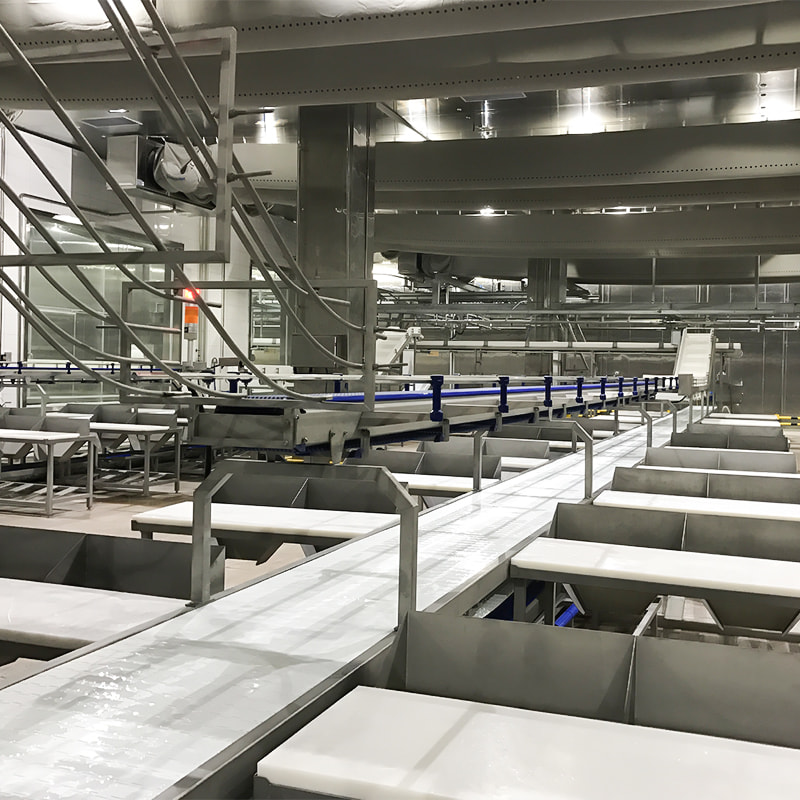
Comparing Manual vs. Automated Slaughtering Tools
Deciding between manual tools and fully automated slaughtering equipment often depends on your daily head count and budget. Below is a comparison to help determine which setup fits your operational goals.
| Feature | Manual Equipment | Automated Equipment |
| Labor Requirement | High (Skilled Workers) | Low (Machine Operators) |
| Processing Speed | Slow to Medium | Very High |
| Initial Investment | Low to Moderate | High |
| Maintenance Needs | Basic Tool Sharpening | Technical & Electrical Care |
Maintenance and Sanitation Protocols
To keep your slaughtering equipment running at peak performance, a rigorous maintenance schedule is mandatory. This not only extends the life of the machinery but also prevents microbial growth that could lead to meat spoilage. High-pressure washers, foam sanitizers, and steam cleaners are used at the end of every shift to strip away organic matter from the slaughterline. It is also vital to check drive chains, pulleys, and blades for wear and tear to avoid unexpected breakdowns during production hours.
- Apply food-grade lubricants to all moving mechanical joints daily.
- Regularly sharpen splitting saws and skinning knives to maintain precision.
- Inspect hydraulic hoses and electrical connections for signs of fraying or leaks.
- Perform deep-clean sterilization of the entire line once per week using industrial-grade disinfectants.